Online reputation monitoring is how you keep track of what the internet says about your business — reviews, mentions, listings, and search results — so nothing catches you off guard.
Every day, customers leave reviews, post on social media, and search your name — and most of it happens without you knowing. Reputation monitoring closes that blind spot. It means watching the handful of places that shape how prospects judge you, catching new reviews and mentions quickly, and responding before a small problem becomes a public one. Below: exactly what to monitor, how to do it manually or with software, what to look for in a tool, and how to set it up across one location or many.
Your online reputation is being written whether you're watching or not. A customer leaves a one-star review on a Tuesday night; a prospect reads it Wednesday morning and books with someone else. The gap between those two moments is where reputation monitoring lives. This guide explains what monitoring actually involves, how it differs from reputation management, and how to set up a system that fits your business — from a solo location to a multi-site brand.
What online reputation monitoring is
Online reputation monitoring is the continuous practice of tracking everything being said about your business across the public web, so you can respond quickly and spot trends early. It's the listening layer of your whole reputation strategy. Where reputation management covers the actions you take — responding, requesting reviews, fixing listings — monitoring is knowing what's out there in the first place. You can't respond to a review you never saw, or fix a problem you don't know customers are complaining about.
Done well, monitoring answers three questions at any moment: What's new? Where is it? And does it need a response? The businesses that handle reputation best aren't the ones that never get negative feedback — they're the ones who see it first and act fast.
What reputation monitoring tracks
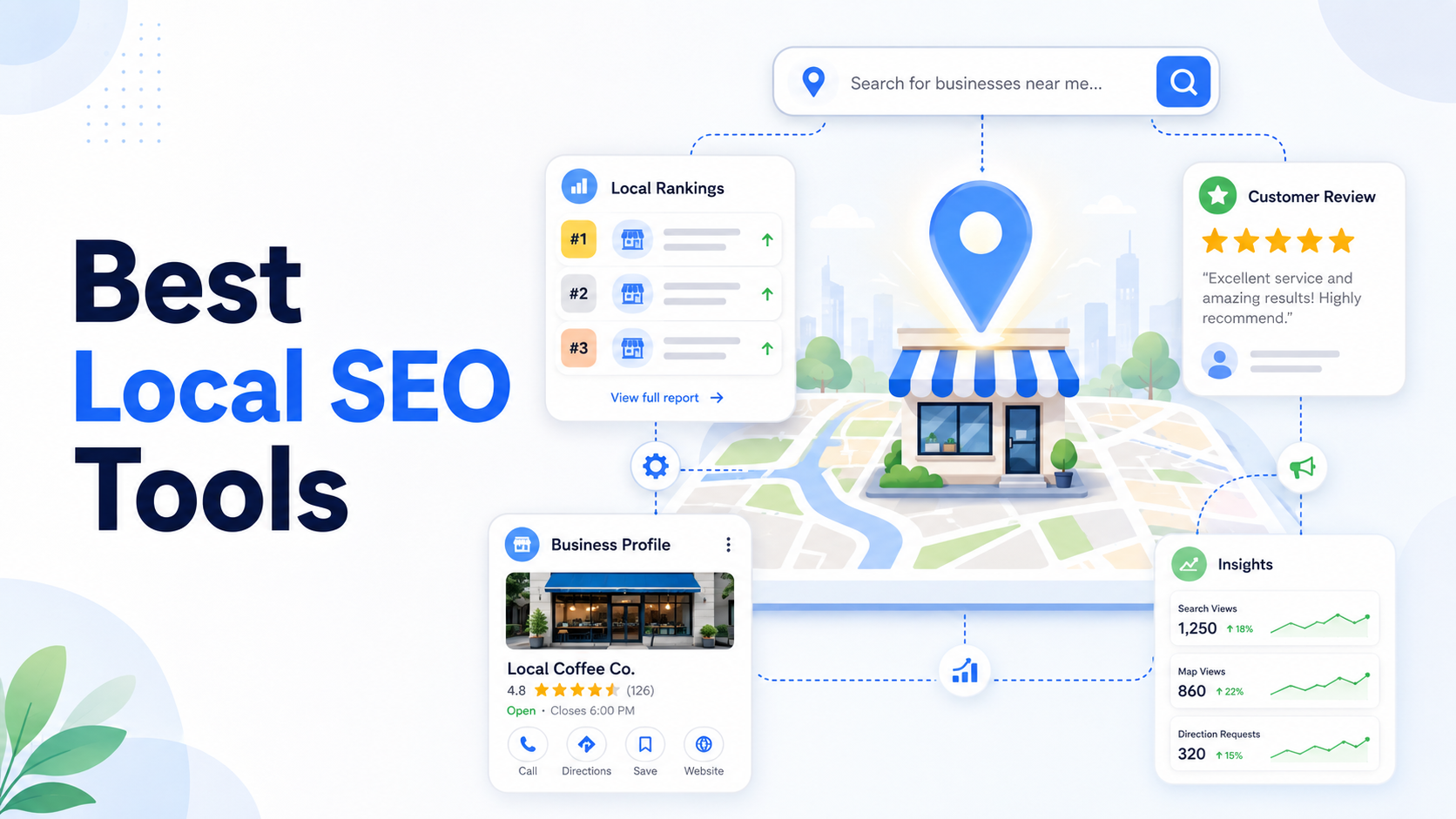
"Your reputation" isn't one thing in one place. It's spread across several sources, each shaping how prospects judge you. Effective monitoring covers all of them:
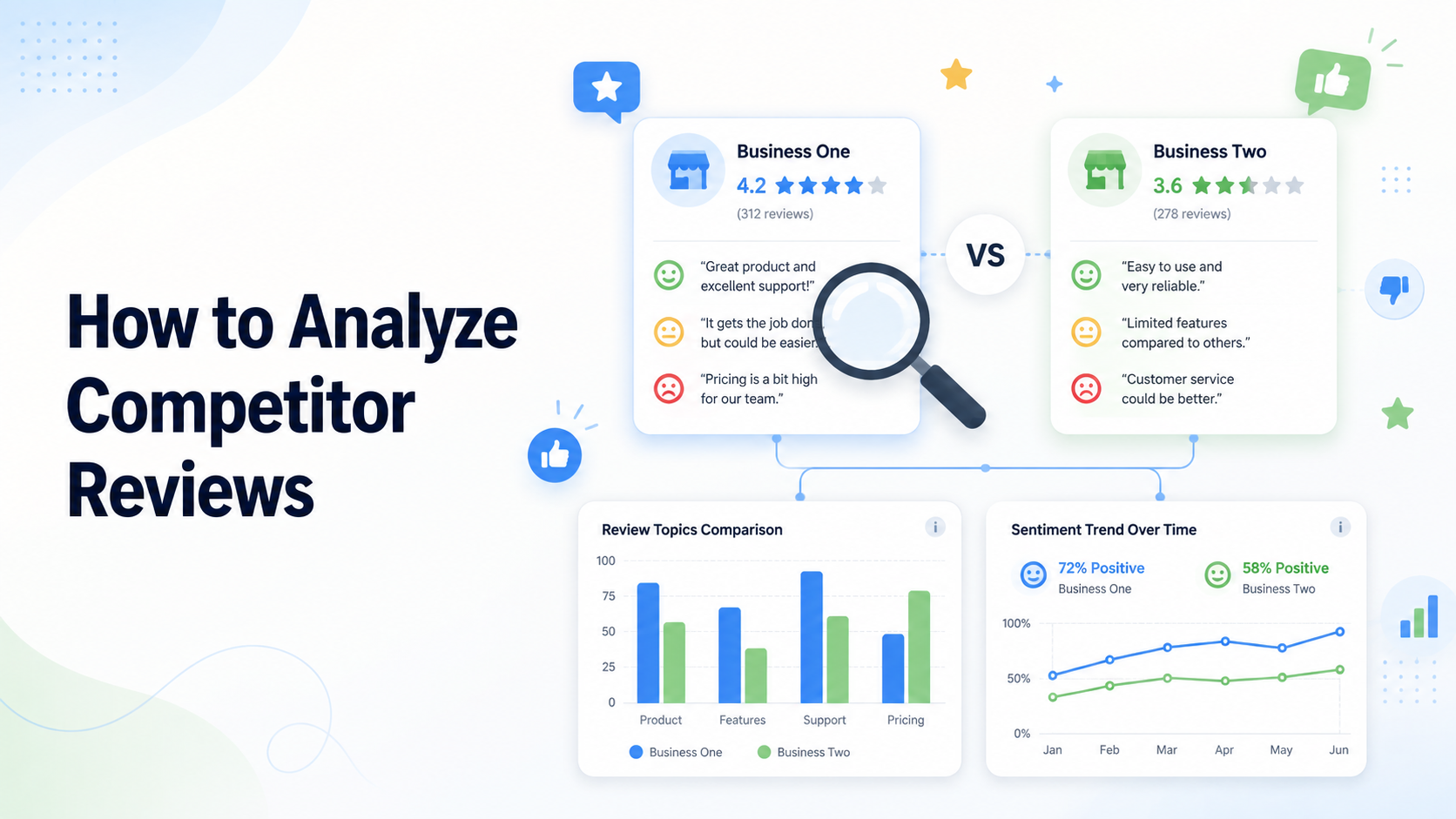
- Reviews. Google, Yelp, Facebook, and industry-specific platforms (Healthgrades, Avvo, TripAdvisor, DealerRater, and others). This is the highest-stakes category — reviews directly influence both buying decisions and local search ranking.
- Business listings. Your name, address, and phone number across directories. Inconsistent or outdated listings quietly erode trust and local ranking — more on this in our guide to business listings management.
- Social mentions. Posts and comments where customers tag or name your business, even without a formal review.
- Search results. What shows up when someone Googles your business name — the reviews, the listings, and anything else ranking on page one.
The reason to watch all four is simple: a prospect deciding whether to trust you doesn't separate them. They see a blended picture, and so should you.
Manual vs. automated monitoring
There are two ways to monitor, and most businesses start with the first before outgrowing it.
1
Manual monitoring
Check each review platform on a schedule, set up free Google Alerts for your business name, and watch your Google Business Profile notifications. It's free and workable for a single location with low review volume — but it depends entirely on you remembering to look, and it's easy to miss a platform or fall behind.
2
Automated monitoring
Software watches all your sources continuously and notifies you the moment something new appears, centralizing everything in one dashboard. It removes the "did I remember to check?" problem and scales to many platforms and locations without adding hours to your week.
Neither is wrong. The trade-off is time versus coverage: manual costs you attention and risks gaps; automated costs a subscription and buys you consistency. As review volume grows or you add locations, the manual approach tends to break down — which is when most businesses move to a tool.
What to look for in a reputation monitoring tool
If you do move to software, the category is crowded and the labels ("reputation monitoring software," "brand reputation tool," "reputation monitoring services") often describe overlapping things. Focus on what actually matters:
- Coverage of the platforms you care about. Make sure it tracks the review sites that matter in your industry, not just Google.
- Real-time alerts. The value of monitoring is speed. Look for immediate notifications, not weekly digests, for new reviews.
- A single dashboard. Everything in one place beats logging into five platforms. Consolidation is half the point.
- Response tools built in. Monitoring that flows straight into responding (and requesting new reviews) closes the loop instead of just raising flags.
- Policy-violation flagging. The best tools don't just show you reviews — they help you spot the ones that appear to break platform rules and may be eligible for removal.
- Multi-location support, if you need it — rolled-up views plus per-location detail.
For a broader look at platforms that combine monitoring with responding and review requests, see our comparison of the best review management software. Monitoring is one job these platforms handle, but they vary widely in what else they do and what they cost. See our detailed comparison of the reputation management tools before you decide.
How to set up monitoring and alerts
Whether manual or automated, a working setup follows the same logic. Here's the order that makes sense:
- List your sources. Write down every place reviews or mentions of your business appear — Google first, then the platforms specific to your industry.
- Claim and verify your listings. You can't get notifications for a Google Business Profile you don't control. Claim each listing so alerts route to you.
- Turn on every native alert. Google Business Profile, Facebook, and Yelp all offer review notifications. Switch them on as a baseline.
- Add a catch-all. A Google Alert for your exact business name catches mentions outside the review platforms.
- Decide your response cadence. Aim to respond to reviews within 24–48 hours. Put it on a schedule or assign an owner.
- Consolidate if it's getting unwieldy. Once you're juggling more than two or three platforms, a single dashboard saves real time and prevents misses.
How Review Radar™ helps
One of the hardest parts of monitoring isn't seeing reviews — it's spotting the ones that shouldn't be there. Fake reviews, reviews from people who were never customers, and posts that violate platform policy are easy to miss when you're scanning quickly. That's the specific gap Review Radar™ is built for.
Review Radar™ continuously scans your incoming reviews and flags ones that appear to violate Google's policies — surfacing potential issues so you can decide whether to report them. It doesn't act on your behalf or guarantee removal; it gives you an early, informed look at reviews that may break the rules, so nothing slips past. You stay in control of any next step.

Monitor your reputation in one place
TrueReview consolidates your reviews into a single dashboard and Review Radar™ flags reviews that appear to violate platform policies — so you catch problems early and decide what to do next. Start a free 14-day trial.
Monitoring keeps you on top of what's live right now, but it also helps to keep your own record of the reviews as they come in — for trend analysis, reporting, or backup. If you want a permanent copy, here's how to export those reviews to a spreadsheet.
Monitoring across multiple locations
For multi-location businesses, monitoring stops being a nice-to-have and becomes a necessity. Watching reviews for ten locations by hand is impractical, and the risk compounds: a problem at one site can drag down the brand's overall reputation if it goes unanswered. What multi-location monitoring needs is a rolled-up view (overall health across the brand) plus the ability to drill into any single location, with alerts that route to the right local manager. Healthcare groups have the added layer of privacy rules on responses — see our guide to multi-location healthcare reputation management for that nuance.
The bottom line
Online reputation monitoring is the listening half of protecting your business — knowing what's said, where, and whether it needs a response, fast enough to act. Start by listing your sources and turning on every native alert; automate once you're juggling too many platforms to track reliably by hand. The goal isn't to obsess over every mention — it's to make sure nothing important reaches your prospects before it reaches you.
Monitoring is the listening half of a bigger job — actively shaping how your business shows up across every profile, listing, and platform. We explore this further in online presence management.
FAQ
Common questions about monitoring your online reputation.
What is online reputation monitoring?
+
It's the ongoing practice of tracking what's being said about your business across the web — reviews, social mentions, search results, and business listings — so you can respond quickly and spot problems early. It can be done manually with free alerts and periodic checks, or automated with software that watches your sources continuously and notifies you when something new appears.
What's the difference between reputation monitoring and reputation management?
+
Monitoring is the listening half — knowing what's being said and where. Management is the acting half — responding to reviews, resolving issues, requesting new feedback, and keeping listings accurate. Monitoring tells you what's happening; management is what you do about it. You need both, and monitoring comes first because you can't manage what you can't see.
How often should I check my online reputation?
+
For most local businesses, daily is ideal for reviews (so you can respond within 24–48 hours) and weekly for broader mentions and search results. The practical answer is to automate it: set up alerts so new reviews and mentions reach you as they happen, rather than relying on remembering to check several platforms by hand.
Can I monitor my reputation for free?
+
Partly. Free tools like Google Business Profile notifications and Google Alerts cover some ground, and you can manually check each review platform. The gap is consistency and coverage — free methods miss platforms, don't centralize everything in one place, and depend on you remembering to look. Paid tools exist mainly to close that gap with continuous, all-in-one monitoring.
Does TrueReview monitor my reviews automatically?
+
Yes. TrueReview consolidates your reviews in one dashboard and Review Radar™ continuously scans incoming reviews to flag ones that appear to violate platform policies, so you can decide whether to report them. It surfaces potential issues for your review — you stay in control of any action taken.
.png)