BLOG POST

Business Listings Management: The Local SEO Guide for Multi-Location Brands

July 2, 2026

The short answer
Business listings management means keeping your name, address, phone, and other details accurate and consistent everywhere your business appears online — so customers can find you and search engines trust you.
Your business shows up in dozens of places: Google, Apple Maps, Yelp, Facebook, industry directories, and data aggregators feeding them all. When those listings agree, customers reach you easily and search engines rank you with confidence. When they conflict — an old address here, a wrong number there — you lose customers and local ranking quietly. This guide covers what listings management involves, why consistency matters, which listings to prioritize, and how it works hand-in-hand with your reviews.

It's one of the least glamorous parts of local marketing and one of the easiest to neglect: making sure your business information is correct everywhere it appears online. But when a customer finds an old phone number, or Google sees three different addresses for you across the web, the cost is real — missed calls and a weaker local ranking. This guide explains business listings management for local and multi-location businesses: what it is, why it matters, and how to keep it from quietly working against you.

What business listings management is

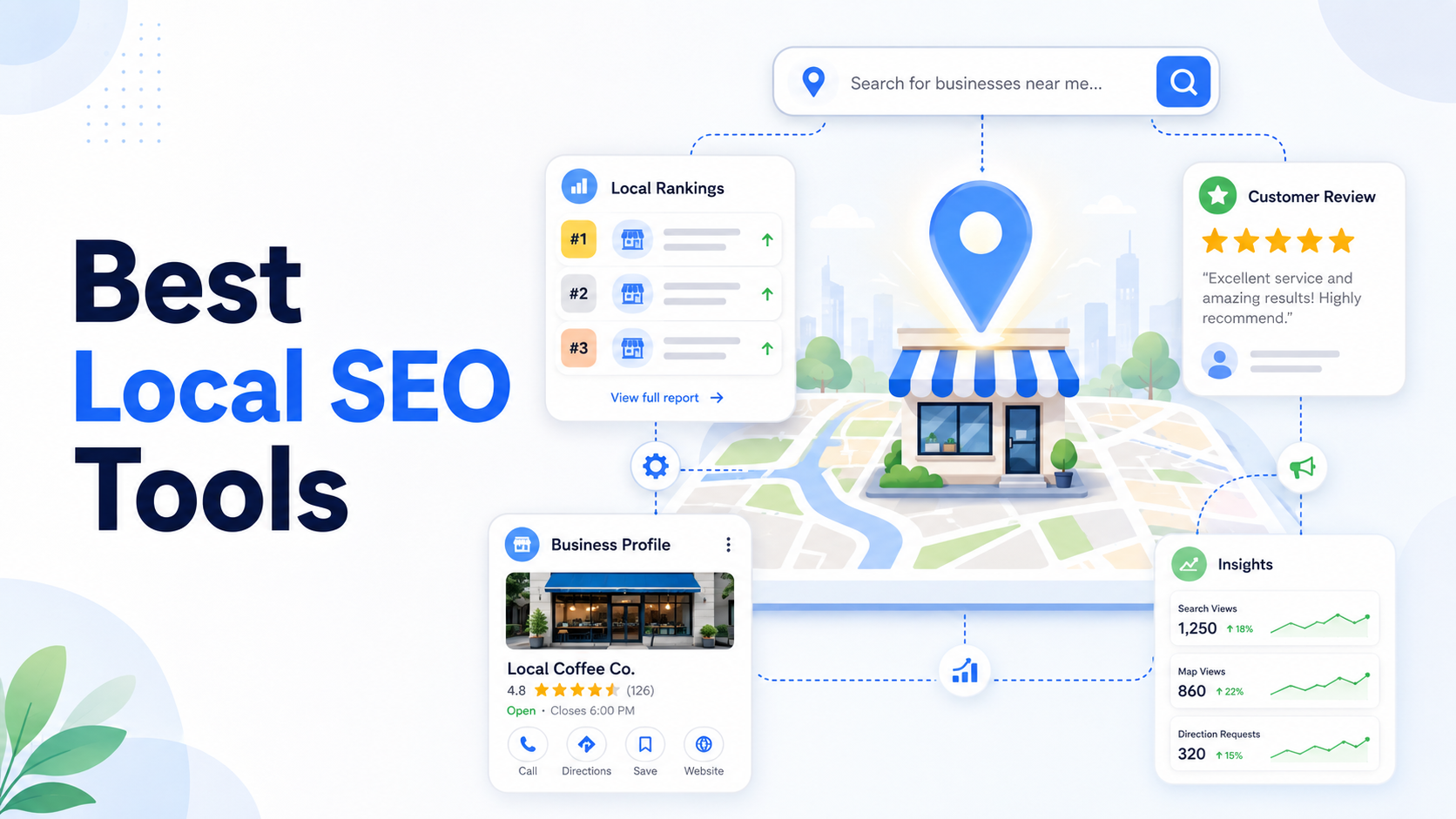
A business listing is any online entry that displays your business's core information — name, address, phone number, website, hours, and category. They live on search engines (Google, Bing), maps (Apple Maps), review platforms (Yelp, Facebook), and a long tail of directories and data aggregators. Business listings management is the ongoing practice of keeping all of those entries accurate, complete, and consistent with each other.

It sounds simple, and for one location it nearly is. The challenge is that these listings multiply and drift. You move offices, change your hours, get a new phone line — and unless you update every place that information lives, the web ends up holding several conflicting versions of your business. Listings management is the discipline of preventing and correcting that drift.

Why NAP consistency matters

The core concept in listings management is NAP consistency — making sure your Name, Address, and Phone number match exactly everywhere they appear. It matters for two reasons:

  • Customers need to reach you. An outdated number or wrong address doesn't just lose one customer — it sends them to a dead end, and often to a competitor. The damage is invisible because you never hear from the person who couldn't find you.
  • Search engines use it as a trust signal. When Google sees consistent NAP details across the web, it's more confident your business is legitimate and that it knows the right information to show. Conflicting details create doubt, and doubt can suppress your local ranking.

Consistency doesn't mean "close enough." "Street" versus "St.," a suite number on one listing and not another, an old number lingering on a directory you forgot about — these small mismatches add up to the inconsistency search engines notice.

Which listings matter most

You don't need to be on every directory on the internet — you need to be correct on the ones that count. Prioritize in roughly this order:

1
Google Business Profile
The single most important listing by a wide margin. It powers Google Search and Maps — where the vast majority of local discovery happens. If you do nothing else, claim, verify, and perfect this one.
2
The major platforms
Apple Maps, Bing Places, Yelp, and Facebook. Together they cover most of the remaining ways customers find and verify local businesses.
3
Data aggregators
Services that feed business data to many smaller directories. Getting your information right at the source helps it propagate correctly downstream.
4
Industry-specific directories
The sites that matter in your field — Healthgrades for healthcare, Avvo for legal, TripAdvisor for hospitality, DealerRater for auto, and so on.

Start at the top and work down. A flawless Google Business Profile plus correct details on the major platforms covers most of the value.

Manual vs. tools

As with most of reputation work, you can manage listings by hand or with software. Manually, you claim each listing and update it directly — entirely doable for a single location with a stable address. The friction shows up with scale and change: every time something updates, you're editing the same details across many places, and it's easy to miss a few. Listings tools solve this by letting you push updates across many directories from one place, and by monitoring for inconsistencies that creep in over time. For multi-location businesses, that automation moves from convenient to close to essential.

Multi-location challenges

For brands with many locations, listings management is a different scale of problem. Each location has its own NAP, hours, and profile, and each can drift independently. A common failure mode: a location moves or changes its number, the central team isn't told, and the old details linger online for months — quietly sending customers astray and confusing the brand's local signals. Multi-location listings management needs a single source of truth for every location's details, plus a reliable way to push changes everywhere at once. It pairs naturally with reputation monitoring, since you're already watching all those locations' profiles for reviews.

How listings and reviews work together

Listings and reviews are the two halves of your local presence, and they reinforce each other. Listings make sure customers can find you with the right information; reviews make sure they trust you once they do. Both feed local search ranking, and both converge on your Google Business Profile — the listing customers see most and the place your reviews live.

That's why it's worth thinking of them together. An accurate, complete profile gives your reviews a credible home; a steady flow of genuine reviews makes that profile compelling. Get the listing right and customers can reach you; get the reviews right and they choose you. Our guide to Google Business reviews covers the reviews half, and growing your Google Business Profile audience ties the two together.

TrueReview shield icon
Keep reviews flowing while your listings stay accurate

TrueReview works alongside your business listings to automate review requests and bring every review into one dashboard — so the profile customers find is both accurate and full of genuine, recent reviews. Start a free 14-day trial.

Common mistakes

A few listings mistakes show up again and again:

  • Unclaimed listings. If you haven't claimed your Google Business Profile, you can't control what it says or get review notifications.
  • Inconsistent NAP. Slight variations in address format or a stray old phone number across directories.
  • Outdated hours. Especially around holidays — nothing frustrates a customer like a "closed" sign on an "open" listing.
  • Duplicate listings. Two profiles for the same location split your reviews and confuse search engines.
  • Set-and-forget. Listings need periodic checks; details drift as the business changes.

The bottom line

Business listings management is the unglamorous but essential work of keeping your business information accurate and consistent everywhere it appears online. Get it right and customers find you and search engines trust you; neglect it and you lose both quietly. Start with a flawless Google Business Profile, keep your NAP consistent across the major platforms, and treat listings as a living thing that needs occasional upkeep — not a one-time setup. Paired with a steady flow of genuine reviews, accurate listings are the foundation everything else in local search is built on.

FAQ

Common questions about managing your business listings.
What is business listings management? +
It's the practice of keeping your business information — name, address, phone number, hours, website, and category — accurate and consistent across all the online directories and platforms where your business appears, like Google, Yelp, Apple Maps, and industry-specific sites. The goal is that a customer (and a search engine) finds the same correct details everywhere.
Why does NAP consistency matter for local SEO? +
NAP stands for Name, Address, Phone. Search engines use the consistency of these details across the web as a trust signal when deciding how to rank you in local results. Conflicting information — an old address on one site, a wrong number on another — creates doubt about which is correct, which can hurt your local ranking and confuse customers trying to reach you.
Which business listings matter most? +
Google Business Profile is by far the most important, since it powers Google Search and Maps. After that, Apple Maps, Bing Places, Yelp, Facebook, and the major data aggregators matter for broad coverage, plus any directory specific to your industry (such as Healthgrades for medical or Avvo for legal). Prioritize Google first, then expand.
How do listings and reviews work together? +
They're two halves of your local presence. Listings make sure customers can find you with correct information; reviews make sure they trust you once they do. They also both feed local search ranking. A well-managed Google Business Profile is where the two meet — accurate listing details and a steady flow of genuine reviews reinforce each other.
Can I manage my listings myself? +
Yes, especially for a single location — you can claim and update each major listing manually. It becomes harder at scale, because the same details live in dozens of places and drift out of sync over time (a move, a new phone number, changed hours). Tools exist to push updates across many directories at once, which saves significant time for multi-location businesses.

See Requests In Action!

We'll text you an example of one of the contact types your customers see when you request reviews.

Demo sent!
Please add a valid phone number.

Msg & data rates may apply. US & Canada only. By submitting your number, you agree to receive SMS messages from TrueReview. Text STOP to opt out.

More articles you might like

View more articles