BLOG POST
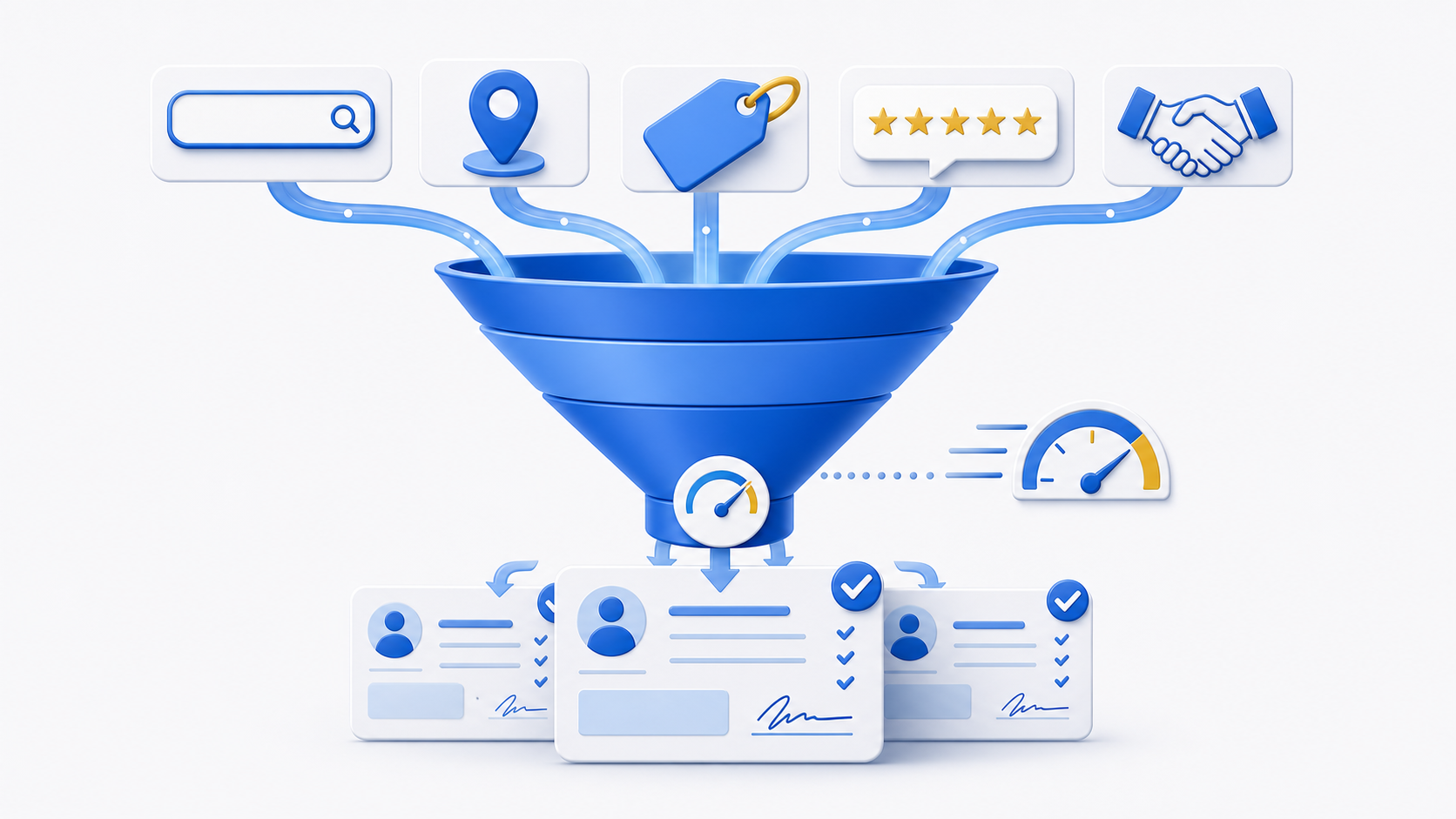
Every law firm wants more cases, but "lead generation" gets sold as a hundred competing tactics, most of them noise. The truth is that a handful of channels drive the overwhelming majority of quality leads - and one underlying asset makes all of them work better. This guide covers the channels that actually fill an attorney's pipeline in 2026, how to choose among them, and the lever that multiplies every one. Our guide to the best law firm website builders & design tips breaks down pricing and features.
Focus your energy here, roughly in order of ROI for most firms:
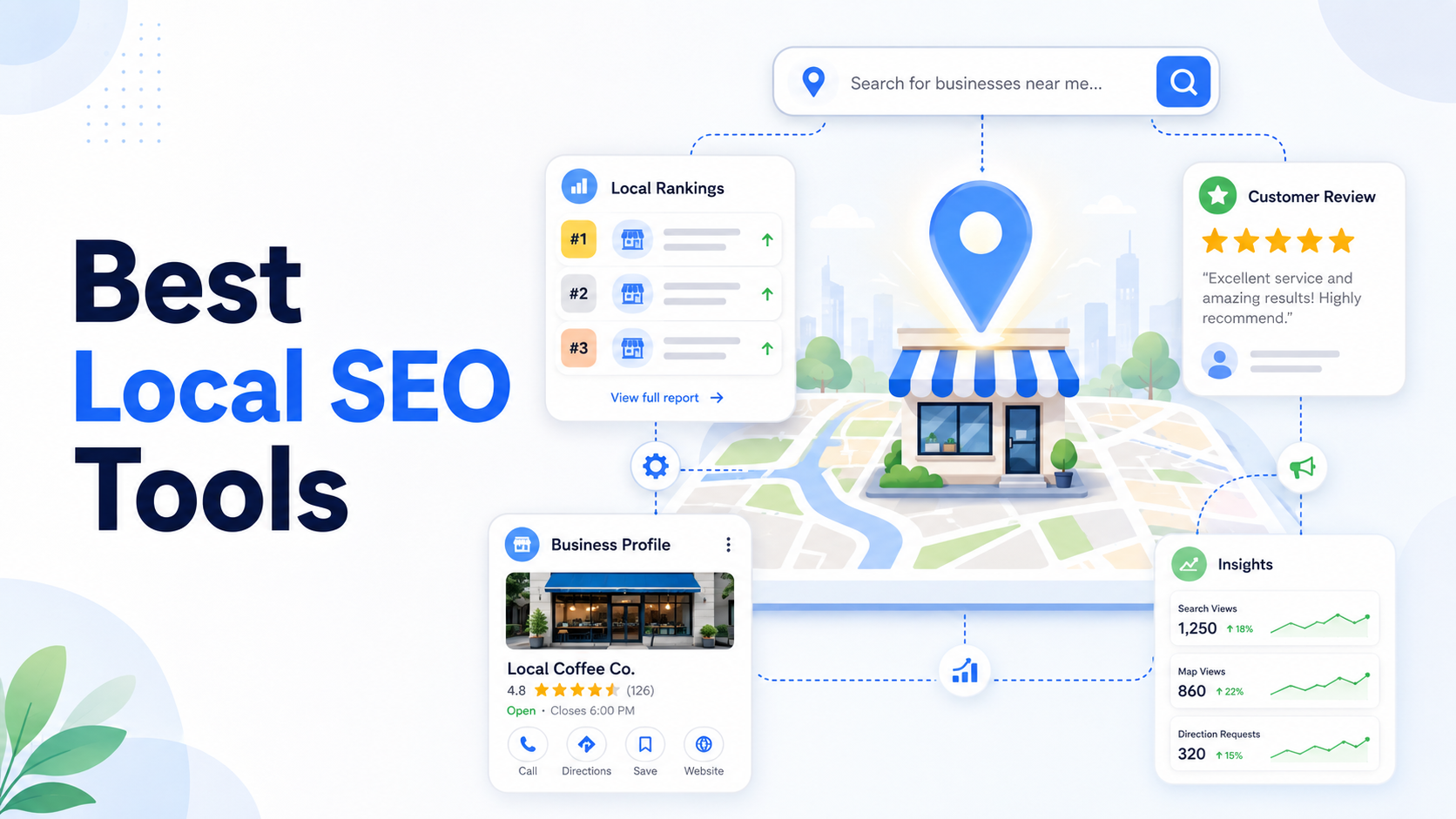
The highest-ROI channel over time. Ranking for "[practice area] attorney near me" and appearing in Google's local 3-pack puts you in front of high-intent prospects at the moment they're searching. It compounds: early investment pays off for years. See SEO for lawyers. In 2026 this extends to being citable in Google's AI Overviews, which reward structured, authoritative content.
Local Services Ads (LSAs) are pay-per-lead and come with a Google Screened badge - generally higher-quality than third-party lead brokers. Traditional PPC and conversion-focused landing pages work for high-value practice areas, though clicks in legal are among the most expensive anywhere, so conversion and follow-up have to be tight.
Educational content - blog posts answering real client questions, plus short-form video on TikTok, Instagram Reels, YouTube Shorts, and LinkedIn - builds authority and familiarity, especially for consumer-facing practice areas. It feeds SEO and social discovery at once.
Legal directories (Avvo, Justia, FindLaw, Martindale) provide visibility and backlinks. And referrals - from past clients and other attorneys - remain among the most trusted sources of legal leads, especially when amplified by strong online reviews.
AI-powered chat and intake tools engage website visitors 24/7, qualify them by case type and jurisdiction, and route them to your team - capturing leads that would otherwise leave without contacting you.
Before pouring money into any single channel, get these two fundamentals right - they multiply the return on all the others.
The most common leak in attorney lead generation isn't traffic - it's response time. Prospects routinely hire the first firm that responds. Replying in minutes instead of hours can multiply your conversion rate. Automated intake, click-to-call, and instant follow-up win this race; see our law firm marketing guide.
Here's the lever most firms underuse. Reviews don't just help one channel - they improve nearly all of them at once:
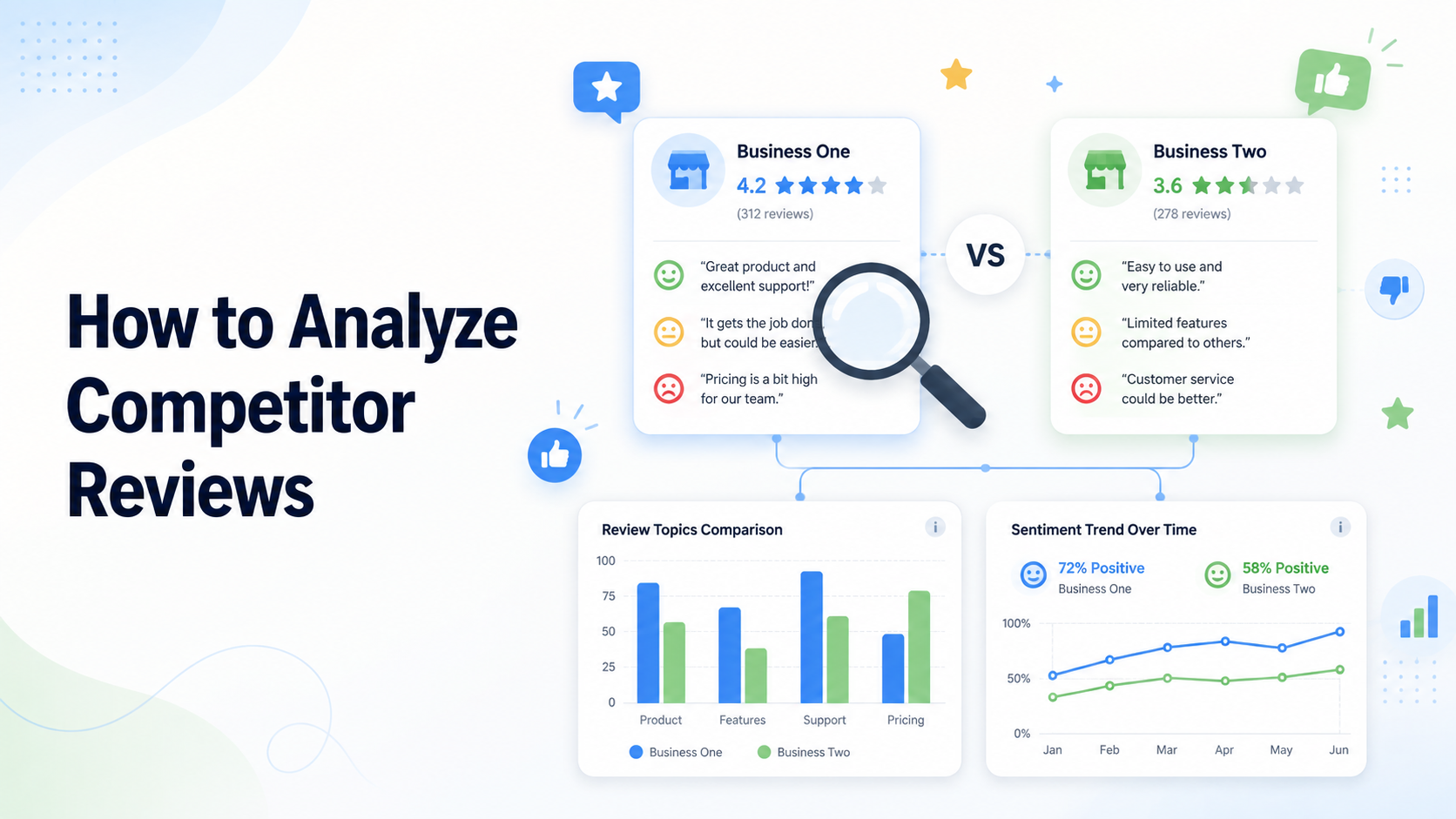
In other words, you can pour money into SEO, ads, and content, but if your firm shows nine reviews next to a competitor's two hundred, you lose leads you already paid to generate. Building reviews is the cheapest way to raise the yield of your entire pipeline. (See how to get more Google reviews for your law firm.)
The efficient way to build them: connect your practice management system to a review tool through Zapier so every closed matter automatically triggers a bar-compliant review request to the former client. The review base grows on autopilot while you focus on cases.
A compliance note specific to law firms: lead generation and reviews are governed by your state bar and ABA Model Rule 7.1. Never give anything of value for referrals or reviews (Rule 7.2(b)) - this also bars many incentive-based lead schemes - ask former clients only, and check your state's rules on lead-sharing and advertising. A review tool built for law firms keeps review collection inside these lines automatically.