BLOG POST
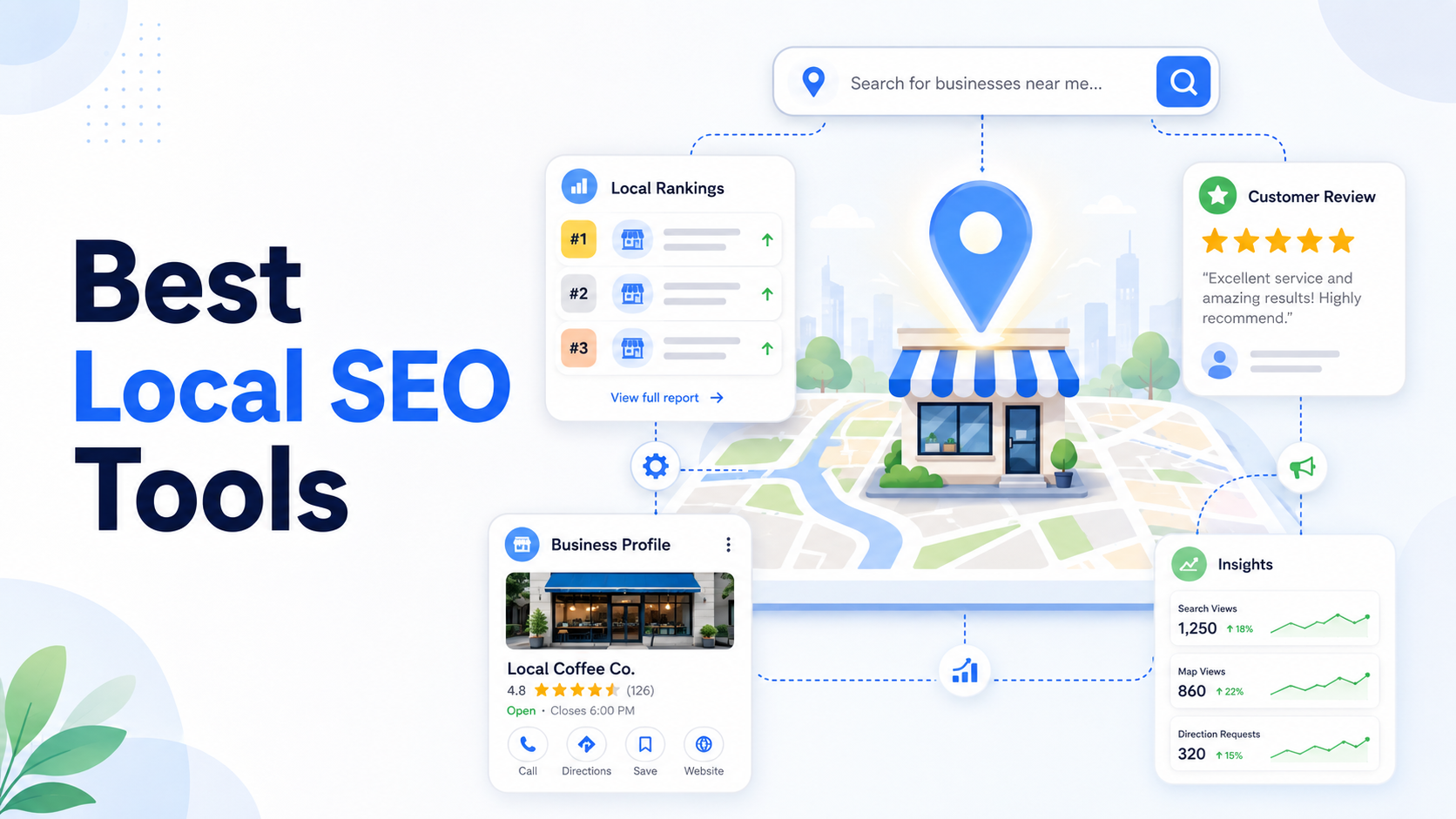
When someone needs a lawyer, they almost always need one nearby - and they start on Google. Nearly half of all searches have local intent, and for legal services that share is even higher. The firm that shows up in the local 3-pack at the top of those results captures the overwhelming majority of the clicks, calls, and cases. Everyone below it is, functionally, invisible.
SEO is how you get into that 3-pack and stay there. It isn't a mystery, and it isn't reserved for firms with five-figure agency budgets. It's a defined set of signals Google rewards - and a law firm that understands them can compete with anyone in its market. This guide walks through every layer of law firm SEO in 2026: local search, your Google Business Profile, on-page content, authority building, and the prominence signal that quietly decides most local rankings. A well-built site is the foundation — our roundup of the best law firm website builders & design tips compares the leading options.
Google's local algorithm comes down to three factors, and every tactic in this guide works on one of them:
Get all three working together and you dominate. A firm with hundreds of reviews but the wrong category will lose to a firm with fewer reviews whose profile precisely matches the search. Balance matters.
For any firm with local clients, your Google Business Profile (GBP) is the single most important asset in your entire SEO strategy - more important than your website for local rankings. Here's how to maximize it.
Choose the right primary category. This is the most influential single ranking factor in local search, and the most common place firms leave money on the table. "Law Firm" is valid, but a specific category that matches your core practice - "Personal Injury Attorney," "Family Law Attorney," "Immigration Attorney" - almost always outperforms it. Pick the one that matches the searches you actually want.
Complete every field. Accurate name, address, phone, hours, practice areas, services, and photos. Being open when users search is now itself a ranking factor, so keep hours accurate. A complete profile beats a sparse one every time.
Post weekly. Google rewards profiles that "look alive" and filters stale ones out of the map pack. A short, useful post with a photo once a week is enough - a statute-of-limitations reminder, a plain-English explainer, a practice-area update. Several marketers now rank posting frequency among the biggest movable factors.
Respond to every review within 48 hours. Both the positive and the negative. Response activity signals an engaged, attentive firm to Google and to every prospect reading your profile.
Keep one profile per real location. Don't create duplicate profiles for different specializations or virtual offices - Google penalizes it. One profile per actual office, with service areas set appropriately (up to 20 areas).
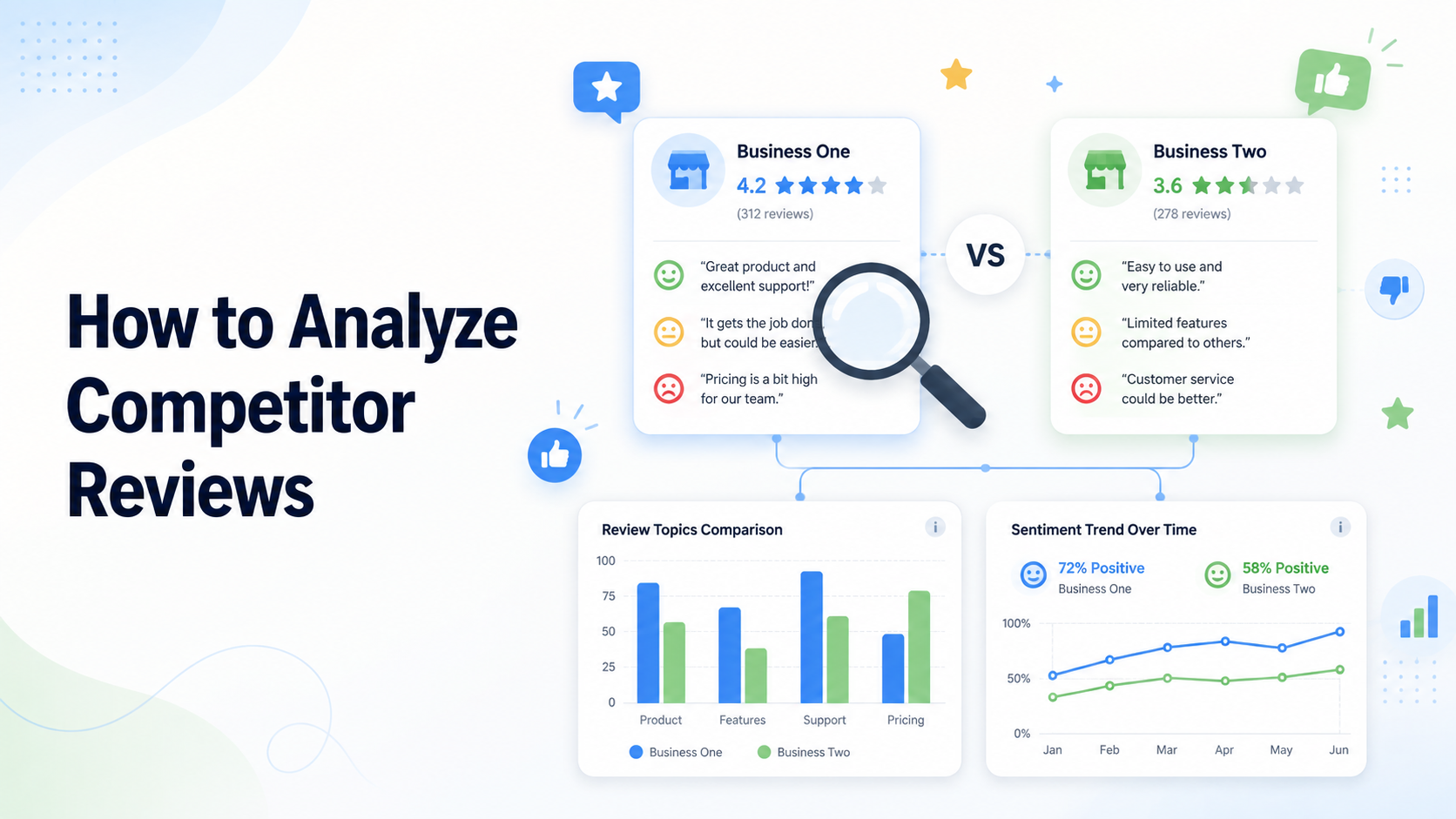
This is the part most SEO guides underweight, and it's the highest-leverage investment a law firm can make. Review volume, star rating, and recency are among the strongest prominence signals Google uses to rank the local pack - and they do double duty, because the same reviews that lift your ranking also convert the prospects who find you.
Competitive legal markets generally call for a minimum of 25-50+ reviews just to be in the conversation, and the firms that dominate keep a steady stream of recent ones coming. A wall of reviews from 2021 doesn't carry the weight of a profile earning new reviews every week.
The firms that win at this don't ask manually - they automate. When a matter closes in Clio, MyCase, or whatever case system you run, that event triggers an automated, bar-compliant SMS or email review request to the former client. The result is a continuous flow of fresh reviews tied to the natural rhythm of your caseload - exactly the recency signal Google rewards. We cover the mechanics and the bar rules in depth in our guide to getting more Google reviews for your law firm.
One compliance note: attorney review requests are governed by your state bar and ABA Model Rule 7.1. Ask former clients only, never offer anything of value (Rule 7.2(b)), and never script the review. Done right, review generation is both the most powerful and the most defensible SEO lever you have.
Your website's job is to signal relevance for the searches that turn into cases. Two page types do most of the work:
Dedicated practice-area pages. One thorough page per service you offer - not a single "Practice Areas" list. A firm doing personal injury, family law, and estate planning needs three distinct, in-depth pages, each targeting that area's core keywords.
City and location pages. If you serve multiple cities or jurisdictions, build a dedicated, genuinely useful page for each - not thin duplicates. These strengthen the distance and relevance signals for geo-specific searches.
Beyond those: fast load times, mobile-responsive design, clean local schema markup, and clear contact information on every page. Google now says the same fundamentals carry into AI Overviews and AI Mode - helpful, well-structured pages can surface there without any special markup, so writing for humans remains the strategy.
A blog isn't decoration - it's how you capture the informational searches your future clients run before they're ready to hire. Someone Googling "how long do I have to file an injury claim in [state]" is a personal-injury client in the research phase. A clear, credible post answering that question puts you in front of them early.
Publish consistently (2-4 useful posts a month is plenty), write to genuinely help rather than to stuff keywords, and demonstrate real expertise - Google's E-E-A-T signals reward content that shows experience and authority, which law firms are uniquely positioned to provide. Internal-link from those posts to the relevant practice-area pages to pass relevance through your site.
NAP consistency across legal directories. Your Name, Address, and Phone must match exactly across Avvo, Justia, FindLaw, Martindale, and general directories. Inconsistent listings confuse Google and dilute your prominence. Clean these up early.
Local backlinks. Links from chambers of commerce, local news outlets, bar associations, and respected legal blogs tell Google your firm is a real, trusted authority in your area. Quality and local relevance beat raw volume.
A law firm running a complete 2026 SEO program has all of this in place:
The firms that put these together climb into the local 3-pack within 12-18 months and pull in search-driven cases for free - while competitors keep renting clicks through ads. Of all of it, the review engine is the piece to automate first: it's the fastest-moving prominence signal and the one that compounds hardest over time.