BLOG POST
When a potential client searches "divorce lawyer near me" or "car accident attorney [city]," Google answers with a map and three featured firms - the local 3-pack. Those three listings capture the large majority of clicks and calls for that search. Everyone ranked below them is fighting for scraps. For most law firms, getting into that 3-pack isn't part of the marketing strategy - it is the strategy.
Local SEO is how you get there. It's a specific discipline distinct from general SEO, built around the signals Google uses to rank nearby businesses. This guide covers exactly how law firm local SEO works in 2026: the three ranking factors, your Google Business Profile, citations, localized content, and the prominence signal that most often decides who wins.
Google itself says local rankings come down to three factors. Everything in this guide works on one of them:
The firms that dominate competitive legal markets have all three working together: a precisely relevant profile, strong prominence signals, and the geographic targeting to compete for the searches that matter. Local ranking signals only convert if the site they point to is fast, clear, and built to turn visitors into calls. Related reading: best law firm website builders & design tips.
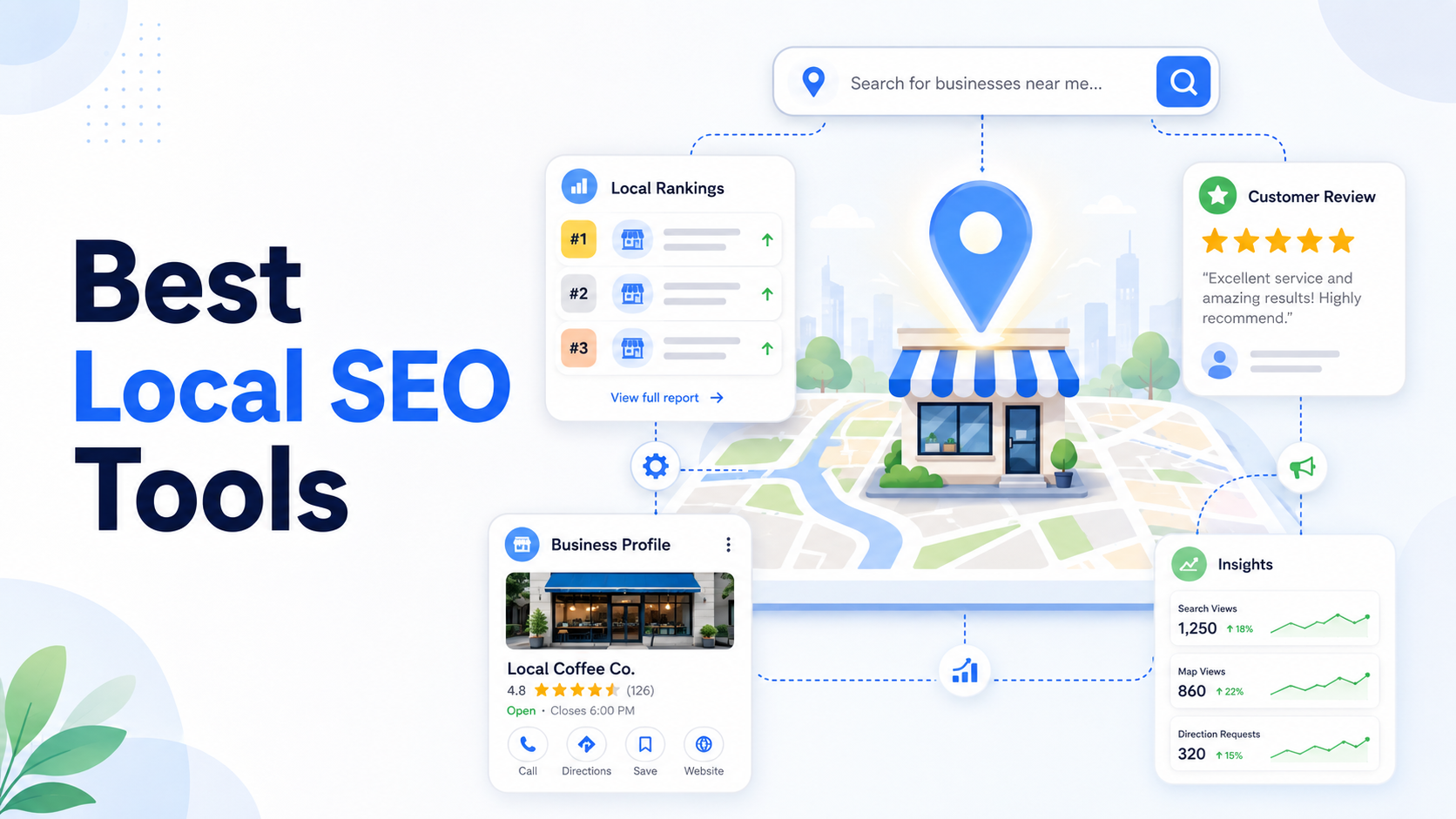
For local SEO, your Google Business Profile (GBP) is the single most important asset you have - more important than your website. Optimize it relentlessly.
Nail the primary category. This is the most influential single local ranking factor. "Law Firm" is valid, but a specific category that matches your core practice - "Personal Injury Attorney," "Family Law Attorney," "Criminal Justice Attorney" - usually outperforms it. A firm with hundreds of reviews but the wrong category can rank below a firm with fewer reviews whose category precisely matches the search.
Complete every field. Accurate name, address, phone, hours, services, and practice areas. Use the Services section to define your offerings with relevant keywords. Add real photos. Being open when users search is itself a ranking factor, so keep hours current.
Post weekly. Google rewards profiles that look active and filters stale ones out of the map pack. A short, useful post with a photo once a week - a legal tip, a practice-area note, a quick explainer - is enough.
Use the Q&A section. Monitor and answer questions on your profile. It builds engagement and lets you shape how prospects understand your practice.
One profile per real location. Don't create separate profiles for different practice areas or virtual offices - Google penalizes duplicates. One profile per actual office, with service areas set appropriately.
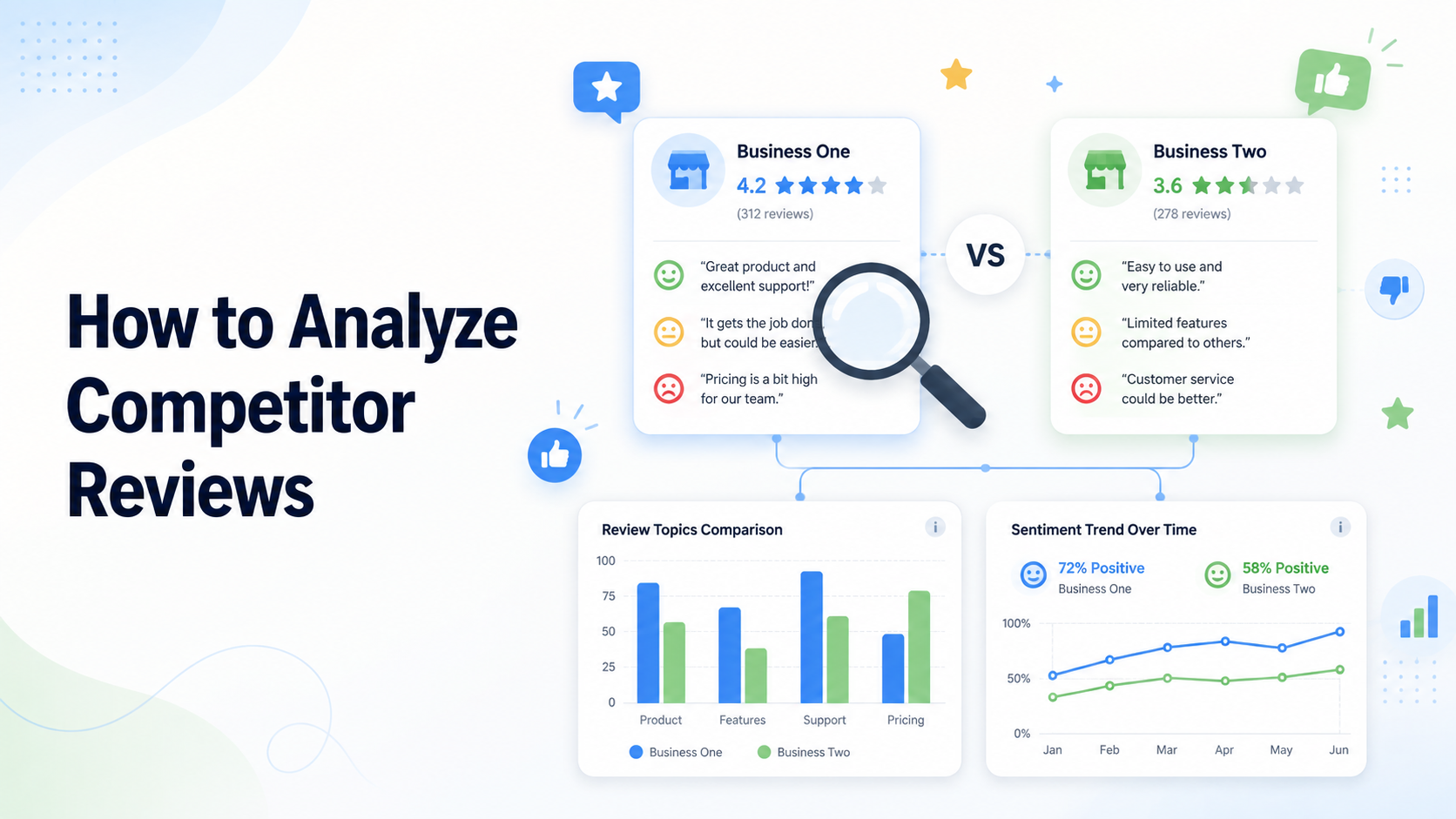
This is the highest-leverage lever in local SEO, and the one most firms run inconsistently. Review count, star rating, and recency are among the strongest prominence signals Google uses to rank the local pack - and they pull double duty, because the same reviews that lift your ranking also convert the prospects who find you.
Competitive markets generally call for 25-50+ reviews just to be in the running, and the firms that win keep a steady stream of recent ones coming. A profile earning new reviews every week outranks one with a pile of reviews from three years ago.
The firms that do this well automate it. When a matter closes in Clio, MyCase, or whatever case system you run, that event triggers an automated, bar-compliant SMS or email review request to the former client. The result is a continuous flow of fresh reviews - exactly the recency signal Google rewards - without anyone remembering to ask. Our full playbook is in how to get more Google reviews for your law firm, and the broader ranking picture is in our SEO for lawyers guide.
And respond to reviews - all of them, within about 48 hours. Response activity signals an engaged firm to Google and to every prospect reading your profile. (Keep responses to negative reviews confidential and professional; see are attorney reviews ethical for the bar-compliance details.)
Your NAP - Name, Address, Phone - must be identical everywhere it appears online. Inconsistent listings confuse Google and weaken your prominence.
Audit and clean up your citations across the directories that matter for legal:
Make sure every one shows the exact same firm name, address, and phone number - down to the suite number and formatting. This is unglamorous work that quietly moves rankings. Local SEO is one slice of the wider job of keeping your firm consistent and accurate everywhere clients look. See also: online presence management.
Your website reinforces the relevance and distance signals. Two page types matter most:
Practice-area pages. A dedicated, in-depth page for each service - not a single combined list. Each targets that area's keywords and signals relevance for those searches.
City and location pages. If you serve multiple cities or jurisdictions, build a genuinely useful page for each (not thin duplicates). These strengthen geographic relevance for "[service] [city]" searches.
Add local schema markup so Google can read your firm's name, address, and service areas cleanly, keep the site fast and mobile-responsive, and put clear contact info on every page. Helpful, well-structured local pages increasingly surface in Google's AI Overviews too.
Links from local, relevant sources tell Google your firm is a real authority in your area: chambers of commerce, local bar associations, community sponsorships, local news coverage, and respected legal blogs. For local SEO, local relevance beats raw volume - a link from your city's chamber of commerce is worth more than a dozen generic directory links.
A law firm running complete local SEO in 2026 has all of this in place:
Get these working together and you climb into the local 3-pack for your practice-area searches within 12-18 months - and start pulling in search-driven calls for free while competitors keep paying for ads. Of every lever here, the review engine is the one to automate first: it's the fastest-moving prominence signal and the one that compounds hardest over time.