BLOG POST
Marketing a law firm in 2026 is harder and more expensive than it has ever been. The average cost to acquire a legal client now runs around $749 - and through paid channels alone, closer to $1,245. Legal keywords are among the priciest in all of advertising, with terms like "personal injury lawyer" costing $50 to $150 or more per click. Firms that simply buy more leads are running on a treadmill that gets steeper every year.
The firms that win aren't the ones spending the most. They're the ones spending on the right things - the channels that capture high-intent prospects at low cost and compound over time. This guide lays out the full 2026 law firm marketing picture: the channels that work, what they cost, how to budget, and the two low-cost, high-trust levers most firms dramatically underuse.
Before choosing any channel, anchor on two numbers:
This is the lens for every decision below. A channel isn't "good" or "bad" in the abstract - it's good or bad relative to the lifetime value of the clients it brings you. Track cost per signed case, not cost per click or per lead, and not vanity metrics like impressions and likes.
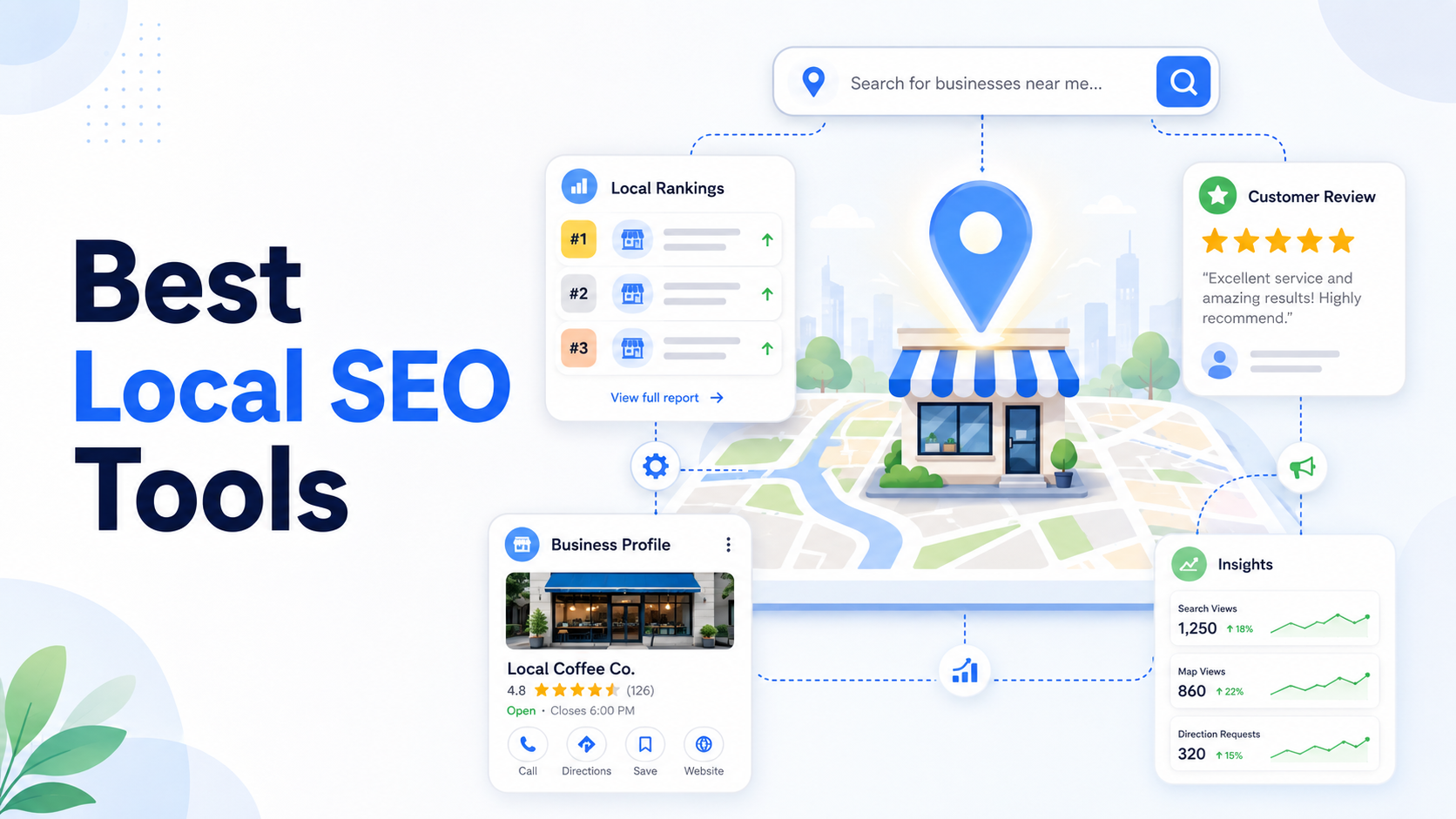
For nearly every firm with local clients, this is the foundation. The local 3-pack captures the lion's share of high-intent "lawyer near me" searches, and it's driven by your Google Business Profile, reviews, and localized content. SEO leads average around $456 - well below paid search - and the asset compounds over time instead of disappearing when you stop paying. This is where most firms should start. Our full SEO for lawyers guide covers the mechanics.
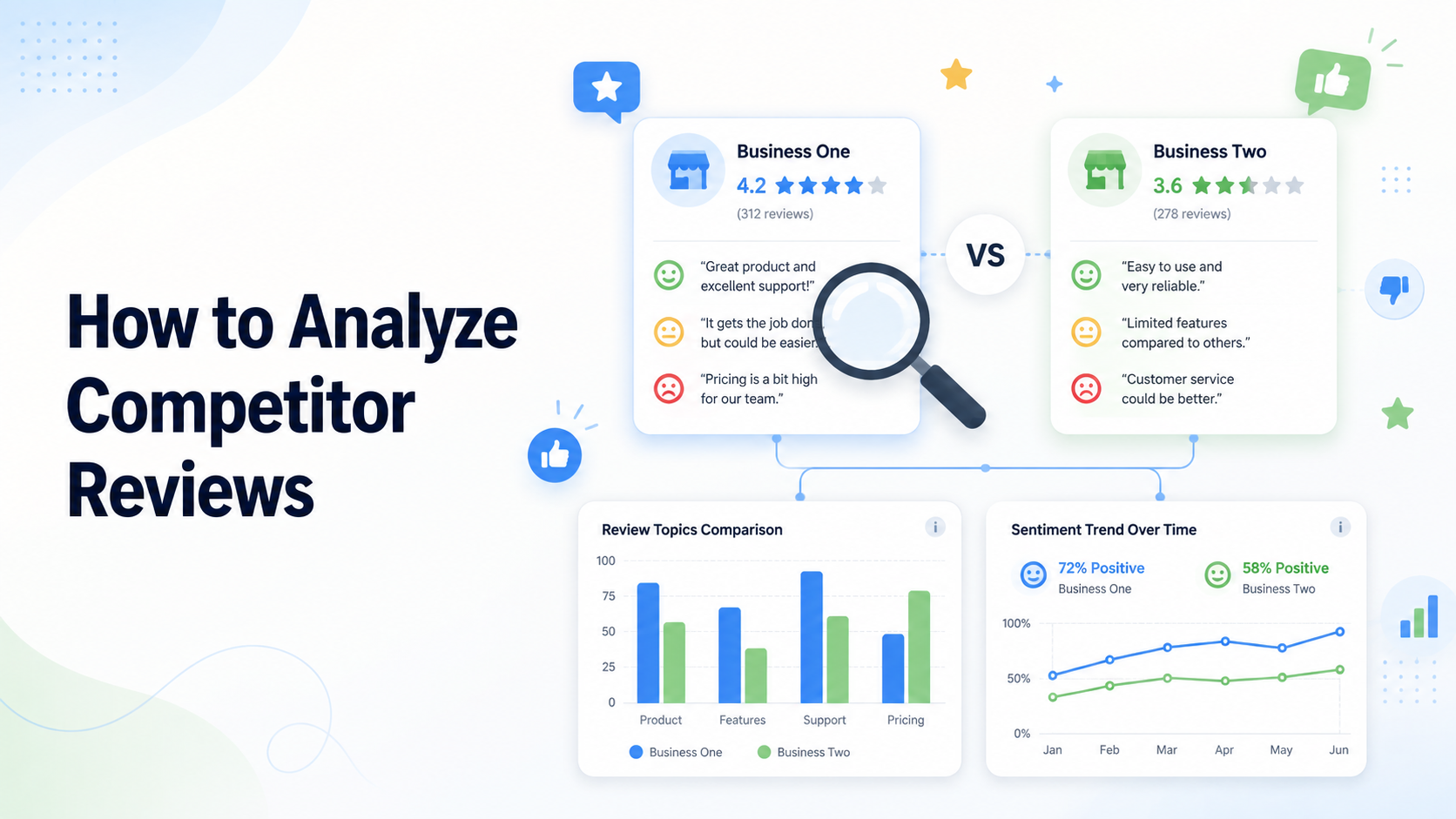
About a third of firms already generate leads through review sites, and reviews underpin both local rankings and conversion. They're the digital extension of word of mouth - and we'll come back to why they're the single most underused lever in legal marketing.
Roughly 91% of firms rely on repeat and referred business, and for good reason: referred prospects convert at 50%+, often at a fraction of the cost of paid leads. Many firms are surprised to find 20-30% of new business comes from past-client referrals. A deliberate referral and client-retention program - staying in touch with past clients - is among the highest-return marketing you can do.
Google Ads buys immediate visibility but demands real budget ($3,000-$10,000+/month) and discipline - a large share of firms report underwhelming ROI because they buy leads without a strategy to convert them. Google Local Services Ads, with pay-per-lead pricing and the "Google Screened" badge, often deliver better returns for legal. Use paid search for immediate flow while your organic assets mature.
A blog answering the questions clients search before hiring - statute-of-limitations explainers, process walkthroughs, practice-area FAQs - captures prospects early and feeds your SEO. It compounds slowly but durably, and increasingly surfaces in Google's AI Overviews.
Only about 40% of firms use email marketing, despite it consistently delivering one of the highest ROIs of any channel. Segmented email - past clients vs. prospects, by practice area, by journey stage - nurtures leads, keeps you top-of-mind for referrals, and costs almost nothing.
Best as a supplement at 10-15% of budget. LinkedIn suits B2B and commercial work; Facebook and Instagram suit consumer practices like family law where life events create targetable audiences. Bar advertising rules apply here too.
Budget size matters less than allocation - a firm spending $100,000 on the right channels beats one spending $200,000 on the wrong ones. A common growth-focused split: 30-50% to demand capture (paid search, LSAs) for immediate cases, 25-35% to organic engines (SEO, content) that compound, and 15-25% to brand and referral/retention programs.
Practice area changes everything. Personal injury operates in the most competitive, most expensive environment and can justify aggressive spend against high case values. Family law shifts toward volume and efficiency, with seasonal spikes. Estate planning is relationship-driven with a longer buying cycle. Criminal defense is urgency-based. Match your channel mix to how your clients actually decide.
Two of the highest-ROI moves in legal marketing cost very little - and most firms neglect both.
1. Speed to lead. A five-hour delay in responding to an inquiry can cost a firm dozens of clients a year - potentially six figures in revenue. The fix is automating intake follow-up so every lead gets an instant response, not a callback tomorrow. Generating the lead is wasted if you're slow to answer it.
2. Systematic review generation. This is the one to fix first. Reviews sit at the intersection of three things that drive new clients: they're a top local-search ranking signal, they're read by nearly every prospect before calling, and they validate every referral you receive. Yet most firms ask for reviews manually and inconsistently - or not at all.
The firms that win automate it. When a matter closes in Clio, MyCase, or whatever case system you run, that event triggers an automated, bar-compliant SMS or email review request to the former client at the moment of peak satisfaction. The result is a steady stream of recent reviews that lift your rankings, convert your prospects, and reinforce your referrals - all on autopilot. The full playbook is in our guide to getting more Google reviews for your law firm.
A compliance note: attorney review requests are governed by your state bar and ABA Model Rule 7.1. Ask former clients only, never offer anything of value in exchange (Rule 7.2(b)), and never script the review. The same rules apply to republishing testimonials in any marketing - add a "Results vary; past outcomes do not guarantee future results" disclaimer where outcomes are mentioned, and check your state's specific requirements.
A law firm running a complete 2026 marketing strategy has all of this working together:
Don't spread a small budget thin across every channel. Build the compounding foundation first - SEO, reviews, referrals, fast intake - and layer paid acquisition on top. Of everything here, the review engine is the place to start: it's the cheapest, it strengthens almost every other channel, and it's the one most of your competitors are still doing by hand.
Law firm marketing in 2026 rewards strategy over spend. Anchor on lifetime value, build the compounding foundation of SEO, reviews, and referrals before chasing paid volume, and fix the cheap, neglected levers - speed to lead and systematic review generation - first. They cost the least and strengthen everything else.
Ready to build the review engine at the center of your marketing? Start a free 14-day trial of TrueReview - automated, bar-compliant SMS and email review requests, case management integrations via Zapier, and embeddable Google review widgets for your firm's site. See pricing ->