BLOG POST

Best Contractor Sites in 2026: Where to List

August 18, 2024

The contractor lead-generation landscape has changed more in the past 18 months than in the previous 10 years. Angi split from IAC and became an independent public company. HomeAdvisor was officially folded in and rebranded as "Angi Leads." Porch abandoned contractor leads entirely and pivoted to insurance. Houzz retreated from lead-gen and reinvented itself as construction-management software. The "list your business everywhere" playbook that worked in 2020 doesn't work in 2026.

This guide is an honest, contractor-focused breakdown of where to actually spend your time and marketing dollars in 2026 — which platforms still deliver real leads, which ones don't, and how to build a marketing system that doesn't depend on paying middlemen to share the same leads with five of your competitors.

For the broader local-business reputation playbook, see our pillar guide on Google reviews for business. For trade-specific marketing tactics, see our guides on electrical contractor marketing, HVAC marketing, and plumbing marketing.

The Core Reality of Contractor Lead Platforms in 2026

Before we get into specific sites, the structural truth that determines whether any of these platforms will work for you:

Most contractor lead platforms sell the same lead to multiple contractors. When a homeowner fills out a form for "kitchen remodel," that lead is typically sold to 3–5 contractors at once. You're not buying a prospect — you're buying the right to compete on price against four other people who paid for the same name. Cost per acquisition on Angi shared leads can exceed $2,500 when you account for the leads that don't answer the phone, the ones who ghost after the first quote, and the ones who pick your competitor.

The contractors making serious money in 2026 aren't avoiding these platforms entirely — they're using them tactically as one channel among many, while building their own owned lead sources (their website, Google Business Profile, reviews, referrals) that produce exclusive leads with 40–60% close rates rather than the 5–10% you see on shared platforms.

With that frame in place, here's the honest 2026 breakdown of where to be.

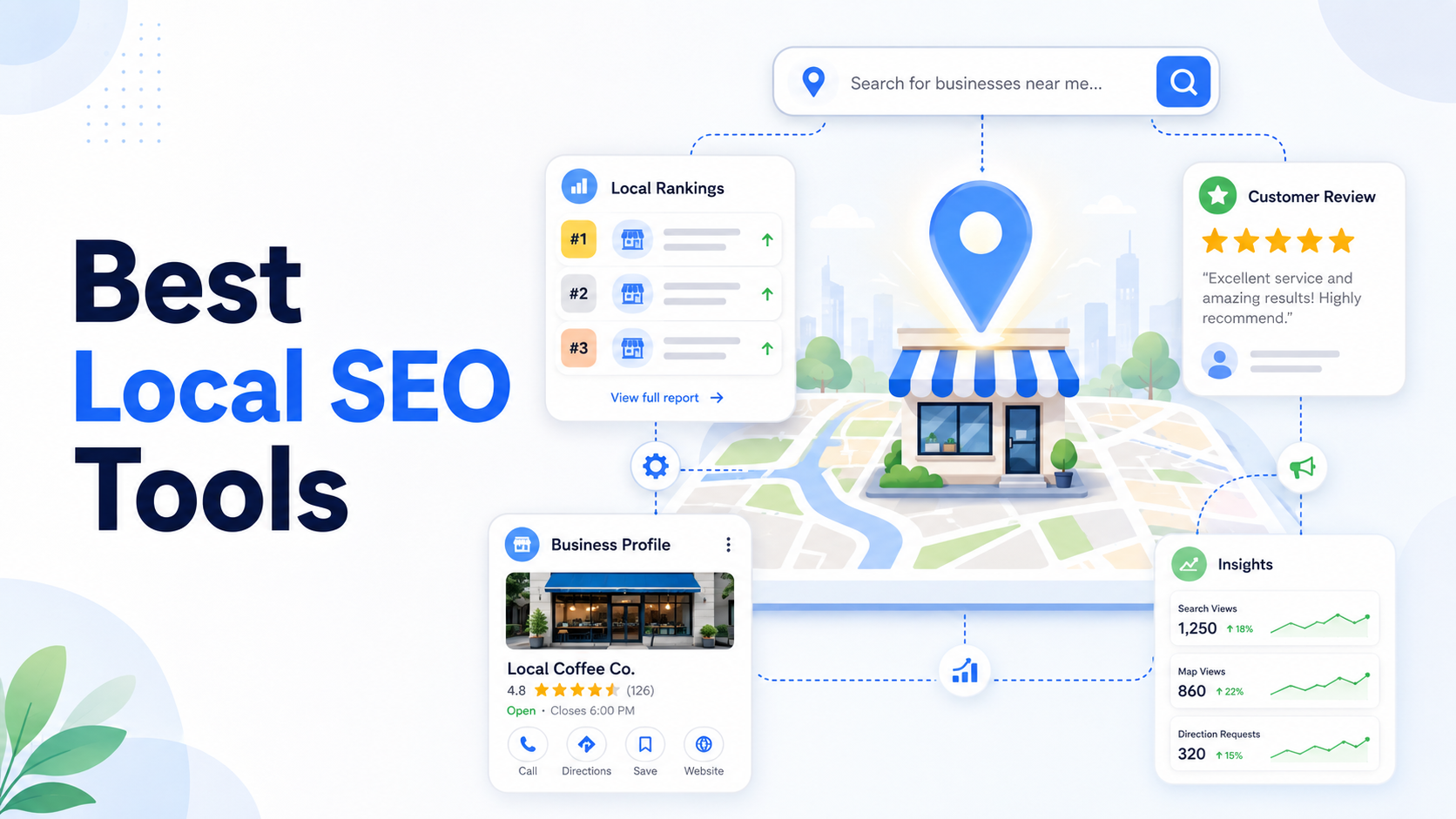
Google Business Profile (The Most Important Listing You Have)

If you do nothing else from this guide, claim and optimize your Google Business Profile. It's free, takes 30 minutes, and is the single highest-impact thing most contractors can do for their online visibility.

Why this matters more than every other platform combined: when someone searches "[your trade] near me" or "[your trade] [your city]," Google's Local Pack — the 3-result map view at the top of search results — gets 44% of all clicks. That's nearly double the clicks of the standard organic results below it. Winning the Local Pack is the single biggest lead-generation lever you have, and it's free.

What works:

  • Fully complete your profile. Every field. Hours, phone, address, website, service areas, hours, photos. Skipping fields directly costs you rankings.
  • Choose the right primary category — and use multiple categories. Don't just pick "Contractor" — pick "General Contractor," "Roofing Contractor," "Kitchen Remodeler," whatever specifically matches your work, and add 5–6 secondary categories for everything else you do.
  • Add real photos of your work. Businesses with photos on their Google Business Profile receive 42% more requests for directions and 35% more website clicks than those without. Upload before/after shots from completed projects regularly.
  • Use Google Posts for project highlights, seasonal reminders, and announcements. Posts signal to Google that your listing is active.
  • Build reviews aggressively. Google reviews directly drive Local Pack rankings. Businesses in Google's top 3 local positions average 47 reviews; those in positions 7–10 average just 38.
  • Respond to every review — positive and negative. 97% of review readers also read your responses.

The review side is where most contractors are bleeding money in 2026. Every job you complete is a missed review unless you have a system that asks. A tool like TrueReview automates this — SMS and email review requests trigger automatically when a job closes in Jobber, Housecall Pro, ServiceTitan, or your scheduling platform, and the asks consistently move contractors from 10–15 reviews to 100+ in their first year.

Yelp (Still Worth Claiming, Worth Cautious Investment)

Yelp's importance for contractors varies enormously by region. In major metros and tourist-heavy areas, Yelp still drives meaningful local search traffic. In smaller markets, it's a much weaker channel.

What works:

  • Claim your free business page through the Yelp for Business app
  • Add 3+ photos within a day of claiming — businesses that do this get 2.2x more page views than those that don't
  • Fill out every detail — businesses with detailed information get 7.6x more page views than minimal listings
  • Respond fast. Messaging a reviewer on Yelp within 24 hours makes them 33% more likely to revise their review upward
  • Be cautious about Yelp Ads — Yelp's paid program has consistently mixed reviews from contractors. Test with a small budget before committing

Don't expect Yelp to be your primary channel. For most contractors in 2026, it's a useful supporting listing but not a primary lead source.

Angi (Major Changes — Read Before Spending)

This is the platform that has changed the most. Here's what you actually need to know in 2026:

The current structure:

  • Angi (consumer brand): The directory and reputation platform homeowners use. Free to list. Visibility depends on reviews and paid promotion.
  • Angi Leads (formerly HomeAdvisor): The lead-generation arm. Pay-per-lead model — annual fee of roughly $288–300 plus $15–85 per lead depending on trade.
  • Angi Ads: Pay-per-click advertising with minimum monthly spends of $200–550+.

The "homeowner choice" model (January 2025): Instead of auto-distributing leads the moment a homeowner submits a form, homeowners now choose which contractors contact them. This was a significant shift — it pushed Angi toward a more reputation-based model again, but contractors with weak profiles or few reviews see far fewer leads as a result.

The honest assessment:

  • Angi is in decline. Revenue has dropped roughly 30% from its 2022 peak. The company laid off 12% of its workforce in early 2026.
  • Lead quality is mixed. A common contractor complaint: "I paid $240 for three leads, two of which didn't answer the phone."
  • You're competing for shared leads. Each lead typically goes to 3–5 contractors. Margins suffer.
  • Reviews still matter. Angi reviews still appear high in Google searches for your business name, so it's worth claiming and building reviews even if you don't buy leads.

When Angi makes sense in 2026:

  • You're a brand-new contractor with no website, no Google Business Profile, no reviews — you need leads next week and you're willing to pay a premium for them as a stopgap
  • You have a high-volume trade (HVAC, plumbing, roofing) where even shared leads with low close rates can produce profitable jobs at scale
  • You can dedicate someone to respond to leads within 5 minutes (the realistic threshold for converting shared leads)

When Angi doesn't make sense:

  • You're a small operator who can't sustain $15–85/lead with 10–15% close rates
  • You're competing in a saturated trade (general contracting in a major metro) where 5+ contractors are chasing every lead
  • You have an existing local SEO and review system producing exclusive leads at lower cost

Bottom line: Claim your profile to control your reviews. Be very cautious about Angi Leads or Angi Ads spend in 2026.

Thumbtack (Growing, but Mixed Results for Larger Projects)

Thumbtack hit $400 million in revenue in 2025 (up 33% year-over-year) and landed integrations with ChatGPT, Amazon Alexa, Zillow, and Redfin. The platform is growing while Angi shrinks.

How it works: Contractors set up a profile, then pay per lead when interested customers reach out. Pricing varies — typical lead cost ranges $15–80 depending on trade and competition. Like Angi, leads can go to multiple contractors.

What works on Thumbtack:

  • Smaller jobs, handyman work, and quick services — Thumbtack tends to skew toward smaller residential jobs rather than full remodels or large commercial work
  • Strong response time — Thumbtack's algorithm rewards contractors who respond to messages within minutes
  • Solid customer service — contractors generally rate Thumbtack's support better than Angi's

Where Thumbtack falls short:

  • Not ideal for larger construction projects. Contractors looking for $50K+ remodels or commercial work consistently report Thumbtack doesn't generate enough qualified high-value leads
  • Still a shared-lead model — same fundamental issue as Angi

When Thumbtack makes sense: Smaller-job contractors (handymen, painters, basic plumbing/electrical repairs, landscape maintenance) who can profitably close $200–2,000 jobs.

Houzz Pro (Pivot from Lead-Gen to Software)

Houzz fundamentally changed its business in the past few years. After cutting roughly 40% of its workforce, it shifted from a design-marketplace lead-gen platform to a construction-management SaaS tool called Houzz Pro.

The current reality:

  • Houzz Pro is now primarily project management software (CRM, scheduling, invoicing, takeoffs)
  • Lead generation is a secondary add-on rather than the core offering
  • The directory still exists and gets traffic — Houzz attracts ~40 million monthly visitors
  • Strongest for remodelers, custom home builders, interior designers, and architects with portfolios to show

When Houzz makes sense:

  • You're a high-end remodeler, custom builder, or designer with portfolio-quality photos
  • You're considering construction-management software anyway, and Houzz Pro's bundled lead-gen comes free with the subscription
  • Your target customer is the type to browse design inspiration before hiring

When Houzz doesn't make sense:

  • You're a service-based trade (HVAC, plumbing, electrical) without a visual portfolio
  • You're a high-volume contractor who needs steady lead flow rather than a few high-quality remodel inquiries

Porch (Skip)

Porch completely abandoned the contractor lead-generation business and became an insurance company. Insurance is now 67% of their revenue. The Porch.com directory still technically exists, but it's an afterthought to the parent business.

Recommendation: Don't waste time setting up a profile here in 2026.

Bark (Niche Use Only)

Bark grew under private equity ownership and is expanding in the US, but it remains a niche option. The platform skews heavily toward small jobs (handyman work, DJs, photographers, dog walkers) rather than serious contractor work.

When Bark makes sense: You're a handyman or you do small residential repairs, and you want a small additional lead channel to test. Not a primary platform for any real contractor.

BBB (Better Business Bureau)

The BBB is worth maintaining a basic profile, primarily because the BBB rating shows up in Google searches for your business name and influences trust. It's not a major lead source, but a missing or low BBB rating can cost you deals when prospects search for you.

What works:

  • Apply for accreditation if your business has been operating for a few years (there's a fee, but the badge has marketing value)
  • Respond promptly to any BBB complaints — the BBB tracks response rate
  • Use your BBB rating in your marketing materials if it's strong

TrueReview offers a BBB review widget if you want to display your BBB reviews on your own website.

NextDoor (Underrated for Local Trust)

NextDoor remains underused by most contractors and over-effective relative to the time investment. The platform is hyperlocal — neighbors specifically asking neighbors for recommendations — which is exactly the kind of high-intent lead environment contractors want.

What works:

  • Create a free business profile and respond to recommendation requests
  • Be genuinely helpful in your local neighborhood threads (don't just spam your services)
  • Encourage past customers in your service area to recommend you when neighbors ask

NextDoor doesn't drive massive lead volume, but the leads that come from it are often the highest-quality, highest-close-rate prospects you'll get.

Facebook & Local Groups

A free contractor Facebook Business Page is still worth maintaining. More important: active participation in local Facebook groups ("[Your City] Recommendations" groups, neighborhood groups, homeowner association groups). Neighbors regularly ask for contractor referrals in these groups, and being a known, helpful presence is one of the highest-converting marketing investments you can make.

What works:

  • Maintain a basic Business Page with your work portfolio, hours, contact info
  • Encourage satisfied customers to leave Facebook reviews
  • Join 3–5 local groups in your service area and participate genuinely
  • Don't spam — moderators in these groups ban contractors who only show up to self-promote

Trade-Specific & Industry Directories

For most trades, a few industry-specific directories carry real weight:

  • HVAC: ACCA, ACR-News, contractor directories from major manufacturers (Carrier, Trane, Lennox)
  • Plumbing: PHCC member directory, manufacturer-specific finder tools
  • Electrical: IEC member directory, ESFI partner listings
  • Roofing: GAF Master Elite, CertainTeed SELECT ShingleMaster certifications come with directory listings
  • Remodeling: NARI member directory
  • General contracting: AGC member directory

Why these matter: Niche directory backlinks help your local SEO (more on this below), and the prospects who use these directories are typically further along in the buying process than random search traffic.

What to Stop Caring About

A few platforms that get pitched in older blog posts but aren't worth your time in 2026:

  • Yellowpages.com — minimal traffic, minimal SEO value
  • Foursquare — mostly relevant for restaurants and retail, not contractors
  • Manta — low-quality directory, minimal traffic
  • Most "Top 10 Contractors" listicles — usually pay-to-play, low actual referral traffic

A good rule of thumb: if a directory has been emailing you weekly trying to upsell you, that's a sign it's not driving real traffic on its own.

The Real Strategy: Own Your Leads

Here's the part that matters most. The most successful, scalable contracting businesses in 2026 are shifting their mindset from renting leads (paying Angi/Thumbtack/HomeAdvisor for each one) to owning them. The shift looks like this:

Renting leads:

  • Pay per lead, sometimes hundreds of dollars
  • Same lead sold to 3–5 competitors
  • Close rates of 5–15%
  • Stops the moment you stop paying

Owning leads:

  • Invest in your own website and Google Business Profile
  • Build reviews systematically over time
  • Get exclusive leads — yours alone
  • Close rates of 40–60%
  • Compounds month over month, persists for years

The owned-lead system has five components:

  1. A clean, fast contractor website with service pages for each thing you offer and location pages for each area you serve
  2. A fully optimized Google Business Profile with weekly posts, regular photo uploads, and complete category targeting
  3. A consistent review collection system — automate the ask after every completed job
  4. Local SEO content — blog posts answering the questions your prospects ask before they're ready to hire
  5. A real measurement system — track which channels produce which leads, so you can double down on what works

For contractors getting started, we'd recommend building this owned-lead system first — and only adding paid lead platforms (Angi, Thumbtack) tactically once your owned channels are producing steady results.

A 60-Day Action Plan

If your current setup is "I have an Angi subscription and a Google profile I claimed three years ago," here's the sequence:

Week 1: Foundations

  • Audit and fully optimize your Google Business Profile (every field, photos, categories, hours, services)
  • Claim your Yelp, BBB, and Facebook business profiles
  • Generate your direct Google review link and create a printable QR code

Week 2: Reviews System

  • Set up automated review requests through your FSM platform or TrueReview
  • Send a one-time bulk review request to your last 100 customers
  • Train your team to mention reviews at every job completion

Weeks 3–4: Content & Listings

  • Submit your business to 3–5 industry-specific directories relevant to your trade
  • Publish your first blog post answering a common customer question
  • Add at least 10 new photos of completed work to your Google Business Profile

Weeks 5–8: Owned-Lead Build

  • Add 1–2 more blog posts targeting "[your service] [your city]" keywords
  • Create or improve location-specific service pages on your website
  • Embed your Google reviews on your website via a review widget
  • Audit your paid lead platforms (Angi, Thumbtack) — are they actually profitable per closed job? Pull the data and decide whether to continue, scale up, or cut

By day 60, you should see new owned-channel leads starting to come in — and you should have hard data on whether your paid lead platforms are actually paying for themselves.

The Short Version

Five things to remember:

  1. Google Business Profile is the most important contractor listing you have. Free, high-impact, and the source of most modern local search leads.
  2. The Angi/HomeAdvisor era is in decline. Use it tactically if at all — don't rely on it as your primary channel.
  3. Reviews are the single most leveraged thing you can build. Volume, recency, and responses all drive search rankings and conversion rates simultaneously.
  4. Own leads beat rented leads. Build your website, your GBP, your reviews, and your local SEO — they compound and produce exclusive prospects at 4–10x the close rate of shared leads.
  5. Skip the platforms that have moved on. Porch became an insurance company, Houzz became software, Bark is niche. Stop spreading your time across dead channels.

The contractor lead landscape in 2026 looks fundamentally different than it did in 2022. The contractors winning right now are the ones who recognized the shift early, built their own marketing assets, and stopped paying platform middlemen to share their leads with competitors. The fundamentals — a strong Google profile, consistent reviews, helpful content, and active community presence — are boring, free, and exactly what works.

Ready to automate the reviews piece of your owned-lead system? Start a free 14-day trial of TrueReview — SMS and email review requests, CRM integrations with Jobber, Housecall Pro, ServiceTitan, and most major contractor management platforms, and live review widgets you can embed on your contractor website.

See Requests In Action!

We'll text you an example of one of the contact types your customers see when you request reviews.

Demo sent!
Please add a valid phone number.

Msg & data rates may apply. US & Canada only. By submitting your number, you agree to receive SMS messages from TrueReview. Text STOP to opt out.

More articles you might like

View more articles