BLOG POST
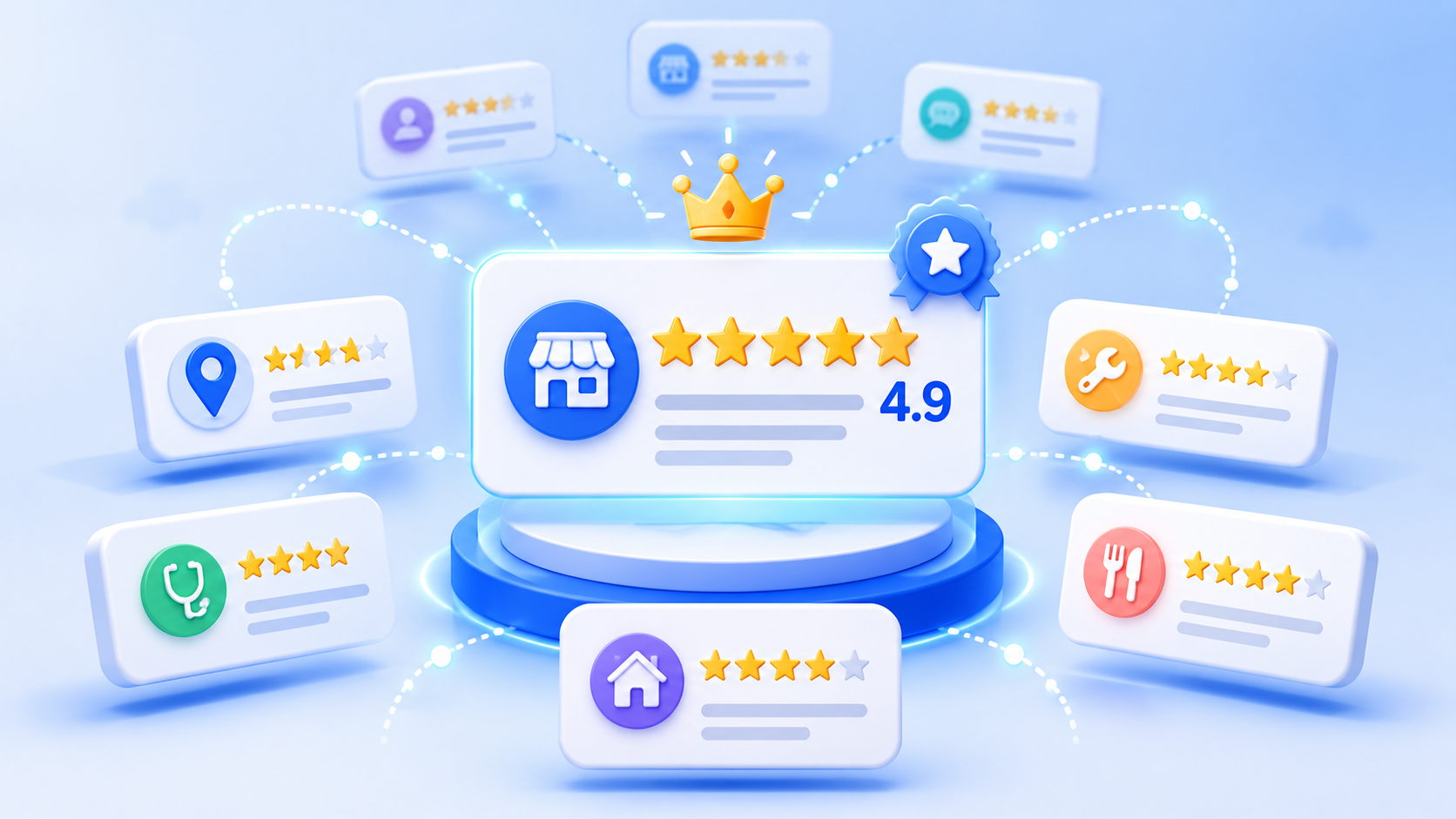
Search "best review sites" and most lists give you the same five platforms: Google, Yelp, BBB, Facebook, TripAdvisor. That answer was reasonable several years ago. It's incomplete in 2026.
What changed: industry-specific review platforms now carry as much weight inside their verticals as general platforms do across them. Google's algorithmic weight on local search has grown substantially relative to every other platform. AI-generated search recommendations now reference review data when making local business suggestions. Federal regulation arrived in October 2024 with the FTC's Rule on Consumer Reviews, which made several common practices (gating, paid reviews, undisclosed insider reviews) federally illegal with civil penalties in the tens of thousands per violation.
This guide covers the review sites that actually matter for local businesses in 2026 — what each platform does well, where each falls short, the compliance constraints that apply, and how to decide which mix is right for your specific vertical.
These five platforms cover the majority of review traffic for general local businesses. Some matter more than others depending on vertical, but every local business should evaluate each.
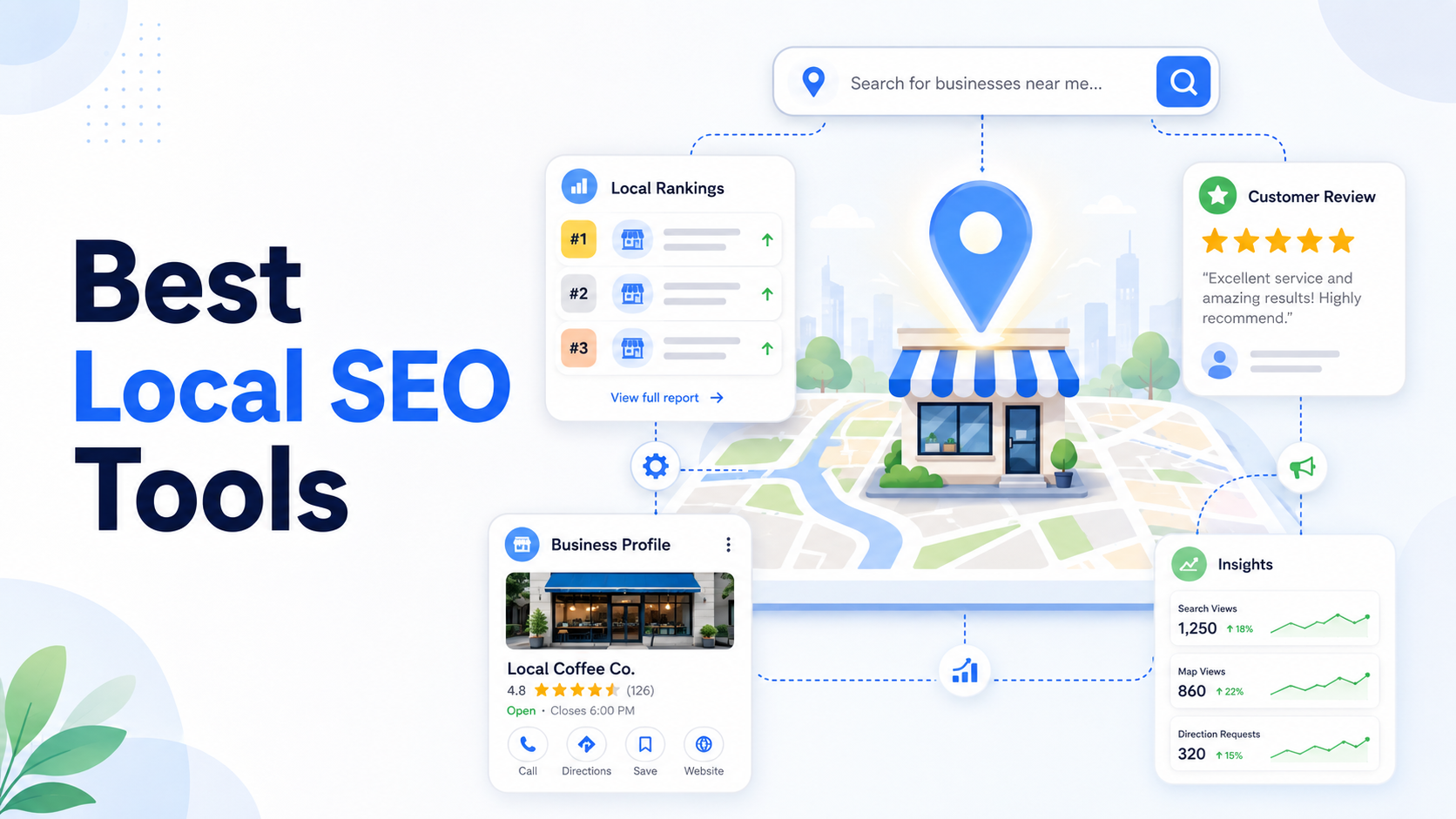
Reviews on a business's Google Business Profile, displayed in Google Search, Google Maps, the local 3-pack, and increasingly in AI-generated overviews. For most local businesses, Google is the single highest-leverage review platform — both because of distribution (Google handles the vast majority of local search) and because Google reviews directly influence local search rankings.
What Google does well: highest distribution of any platform, direct ranking influence in local search, free to set up and maintain, supports business responses to every review, integrates with Google Maps and the local 3-pack, surfaced increasingly in AI-generated answers.
Where Google falls short: no platform-level pre-publication review vetting (reviews go live immediately, with algorithmic moderation after the fact), flag-based removal process for policy-violating reviews can take 3-7 business days, occasional algorithmic mass-removal events that affect legitimate reviews along with policy violations.
Best for: every local business. There is no vertical or category where Google is not the primary platform to invest in. For deeper coverage on the mechanics, see our complete guide to Google business reviews.
Yelp drives meaningful traffic for restaurants, bars, dentists, salons, and certain service trades. Less impactful for many other categories (financial services, legal, real estate, B2B) where prospects rarely think to check Yelp.
What Yelp does well: strong recommendation algorithm that prospects trust, free to claim and maintain a business listing, useful for hospitality and certain consumer service categories, surfaces in Apple Maps search results.
Where Yelp falls short: strict solicitation policy — Yelp explicitly discourages businesses from asking customers for reviews and their algorithm filters reviews that look solicited; many legitimate solicited reviews end up hidden as "not recommended." Aggressive advertising sales tactics have damaged Yelp's reputation with many small business owners. Negative reviews from highly active reviewers are hard to remove even when they violate policy.
Best for: restaurants, bars, food service, hair and nail salons, dentists, certain hospitality businesses. Lower priority for legal, financial, real estate, and trade-specific home services.
Reviews and recommendations on a business's Facebook Page. Reduced in distribution weight over the past several years as Facebook's organic reach has declined, but still meaningful for older demographics and certain service categories with active community engagement.
What Facebook does well: free, easy to maintain, useful for businesses with active social presence, integrates with Facebook's recommendation feature ("Recommendations" replaced the old star rating system), good for community-oriented businesses with engaged followers.
Where Facebook falls short: declining organic reach means fewer prospects see Facebook reviews than five years ago, no review-vetting process, easy for competitors or upset customers to leave reviews from throwaway accounts, page-level controls allow businesses to disable reviews entirely (which some businesses do to avoid negative feedback — not recommended, but available).
Best for: local businesses with an engaged Facebook community, especially those serving older demographics. Less critical than five years ago for most other businesses.
The Better Business Bureau is a nonprofit organization that issues ratings to businesses based on customer interactions and complaint resolution. Still relevant for trust-sensitive high-ticket verticals and prospects in older demographics who maintain the habit of checking BBB before buying.
What BBB does well: trusted third-party rating in trust-sensitive verticals, structured complaint resolution process that gives businesses an opportunity to respond formally, the BBB A+ rating still carries weight with certain demographics, non-accredited businesses can still respond to complaints and reviews on their BBB profile.
Where BBB falls short: lower traffic volume than Google or platform-specific sites, full accreditation has annual fees that scale with company size and produce relatively few direct leads for most small businesses, the rating methodology has been criticized for emphasizing pay-to-play accreditation over independent review.
Best for: financial services, home services with high ticket sizes (roofing, HVAC, remodeling), contractors, businesses serving older demographics. Lower priority for restaurants, salons, and verticals where prospects rarely consult BBB.
The largest dedicated travel review platform. Critical for hotels, restaurants, tourism operators, and hospitality. Largely irrelevant outside hospitality categories.
What TripAdvisor does well: the de facto standard for travel research, free to claim and maintain, supports photo uploads and detailed traveler narratives, popularity ranking algorithm rewards consistent recency and engagement, integrates with travel booking and itinerary tools.
Where TripAdvisor falls short: limited distribution outside travel-intent searches, no strong identity verification on reviewers (though TripAdvisor moderates and filters suspicious patterns), the popularity ranking can be opaque and frustrating for businesses near the bottom.
Best for: hotels, motels, vacation rentals, restaurants (especially in tourism areas), tour operators, attractions, travel-adjacent services. Not a priority for businesses without significant traveler traffic.

Maintaining three or four review platforms simultaneously is what most businesses struggle with. Manual asks get inconsistent fast. TrueReview automates compliant SMS and email review requests across Google, Facebook, Trustpilot, and 8+ vertical-specific platforms including Zillow, Realtor.com, Mangomint, Boulevard, and Vagaro. Start a free 14-day trial.
This is the category most "best review sites" lists miss. For many verticals, the industry-specific platform is more important than Yelp, BBB, or Facebook — sometimes second only to Google.
Healthcare patients researching providers consult vertical-specific platforms at high rates. Healthgrades is the largest, used by patients researching physicians, dentists, and specialists. Vitals overlaps significantly with Healthgrades in coverage. Zocdoc serves the booking layer in addition to reviews and is especially relevant for primary care, specialists, and dental.
HIPAA constrains how providers can respond. You can't confirm someone is a patient, reference specific treatments, or acknowledge specific visits in your response. Healthcare review programs need workflow design that builds these constraints in. For deeper coverage, see our healthcare reputation management guide.
Avvo is the dominant attorney review and rating platform, with both client reviews and peer endorsements influencing the Avvo Rating score that prospects see. Martindale-Hubbell serves a more traditional segment of the legal market with peer-rated AV Preeminent ratings and client reviews.
State bar advertising rules constrain what attorneys can say in responses. Most state bars require avoiding any disclosure that could violate confidentiality, even when responding to a former client's public review. For coverage tailored to specific practice areas, see our reputation management for criminal defense attorneys guide.
For residential real estate agents in most markets, Zillow and Realtor.com reviews carry as much weight as Google reviews — sometimes more for agent-specific searches. Prospects searching for an agent in a specific neighborhood often start on Zillow rather than Google, so agent profiles with strong review counts on Zillow capture leads Google never sees.
Both platforms support standalone agent profiles in addition to brokerage profiles. Maintaining both is standard practice for top-producing agents. For coverage, see our guide to Zillow and Realtor.com reviews.
Beyond Google, Yelp, and TripAdvisor, restaurants often have OpenTable and (in higher-end segments) Resy review surface areas tied to their reservation systems. These reviews tend to come from customers who completed reservations, which produces higher signal-to-noise than open platforms. For coverage, see our guide to Google restaurant reviews.
Angi (formerly Angie's List) and HomeAdvisor are the dominant home-services lead platforms, with review surfaces built in. Houzz focuses on interior design, remodeling, and high-end residential work with strong visual project documentation tied to reviews.
These platforms charge for leads in addition to hosting reviews, which is a different cost model than Google or BBB — but for high-ticket home services work, the lead flow and the review credibility tend to reinforce each other.
Inside the booking-platform ecosystem for salon, spa, and medical spa businesses, Mangomint, Boulevard, and Vagaro reviews carry meaningful weight. These reviews are tied to actual appointments, which produces strong credibility, and they appear in the same booking flow prospects are already inside. Google remains primary, but the integration with the booking system means these vertical platforms often produce review volume from customers who would have skipped a Google ask.
For auto dealerships, Cars.com, DealerRater, and Edmunds drive prospect research at high rates. DealerRater is the most reputation-focused of the three. Cars.com and Edmunds blend inventory listings with dealership reviews.
For software and B2B services, the dominant review platforms are G2 (largest, with the strongest peer-to-peer engagement), Capterra (Gartner-owned, broader vertical coverage), and TrustRadius (focused on in-depth verified reviews from active users). These matter for any SaaS or B2B service business but are largely irrelevant for local businesses.
Trustpilot is one of the most widely-used review platforms in Europe and has grown substantially in the US over the past several years, especially for ecommerce and direct-to-consumer brands. Most "best review sites" lists targeting US audiences omit it, which has become a meaningful blind spot.
Trustpilot's open-invite model means any customer can leave a review on any business, even without business participation. Businesses that claim and verify their profiles gain access to invite customers, respond to reviews, and integrate Trustpilot ratings into their website and marketing. The free tier supports basic functionality; paid tiers unlock review invitations, advanced analytics, and various display widgets.
Best for: ecommerce, DTC brands, online services, businesses with US and international customer bases. Less essential for purely local brick-and-mortar businesses.
The Federal Trade Commission's Rule on the Use of Consumer Reviews and Testimonials took effect in October 2024. It made federal-level penalties apply to several practices that were previously only platform-level violations. The Rule applies to all review platforms and all businesses that solicit or display reviews. It prohibits:
Civil penalties can reach into the tens of thousands of dollars per violation. The FTC has actively enforced the Rule since it took effect, with several public actions against reputation management firms in 2025.
What this means for review platform choice: any "review service" that promises to filter negative reviews before they go public, suppress unhappy customers, or generate reviews you can post is now creating federal-level legal exposure, not just platform-level risk. The compliant approach is open requests sent to every customer, with the customer choosing whether and what to write. For the full treatment, see our complete guide to review management.
Review gating violates Google's policy and the FTC's 2024 Rule. TrueReview sends compliant requests to every customer, surfaces incoming reviews in a unified dashboard, and Review Radar scans incoming reviews for Google policy violations and guides you through reporting. HIPAA-aware workflows for healthcare with BAAs available. Start a free 14-day trial.
Three to four platforms maintained well will outperform eight platforms maintained sporadically. The right mix depends on your vertical, customer demographics, and operational capacity.
Before you commit to a platform mix, document where prospects in your market actually research businesses like yours. Ask the last 10 customers who chose you over a competitor where they researched. The answers will surprise you — some platforms you think matter don't, and others you've ignored will keep coming up.
For nearly every local business, Google is the primary platform. The exceptions are rare: B2B SaaS (where G2 dominates), pure ecommerce DTC brands (where Trustpilot or platform-native reviews often matter more), and certain travel-only operators (where TripAdvisor leads). For everyone else, Google is where the leverage is.
Pick the vertical-specific platforms that match your business: Healthgrades or Avvo for healthcare or legal, Zillow or Realtor.com for residential real estate, Angi for home services, Mangomint or Vagaro for salon and spa, OpenTable for restaurants. These typically produce higher-credibility reviews than general platforms because reviewers came through the vertical-specific path.
Depending on demographics, add Facebook (older audiences with active social engagement), BBB (high-ticket trust-sensitive work), or Yelp (restaurants, bars, hospitality). The fourth platform is the marginal one — don't add it if you can't maintain it.
Every platform, every review, within 24-48 hours. The businesses that pull ahead on review-driven discovery are the ones where prospects can see consistent, thoughtful review on multiple platforms. Inconsistent response activity reads worse than absent activity. For depth here, see our review response templates guide.
Deeper coverage by topic:
The pillar framework: our complete guide to review management covers the five-pillar operational framework (collect, monitor, respond, analyze, comply).
Online reviews broadly: our complete guide to online reviews for businesses covers how reviews drive local business growth across platforms.
Google specifically: our complete guide to Google business reviews and our guide to Google Business Profile optimization.
Asking and responding: our guide to asking for reviews and our review response templates guide with 30+ ready-to-use templates.
Removing problematic reviews: our guide to removing bad Google reviews.
By industry: healthcare, legal, real estate, restaurants, Yelp specifically.
Five things to operationalize, in order of leverage:
The best review sites for your business are not a universal list. They're the three or four platforms where your specific prospects actually research businesses like yours — maintained with universal response discipline, under platform and federal compliance. Most "best review sites" lists treat the problem as "which platforms exist" when the real question is "which platforms produce results given my vertical, my customers, and my operational capacity." Get that right and reviews compound into measurable gains in local search rankings, conversion, and retention.
TrueReview automates compliant SMS and email review requests across every major platform: Google, Facebook, Trustpilot, plus 8+ vertical-specific platforms including Zillow, Realtor.com, Mangomint, Boulevard, and Vagaro. AI-assisted response generation with human-review workflow. Review Radar surfaces Google policy violations. HIPAA-aware workflows for healthcare. Agency and multi-location support with white-label options. Start a free 14-day trial — setup takes about 15 minutes.