BLOG POST
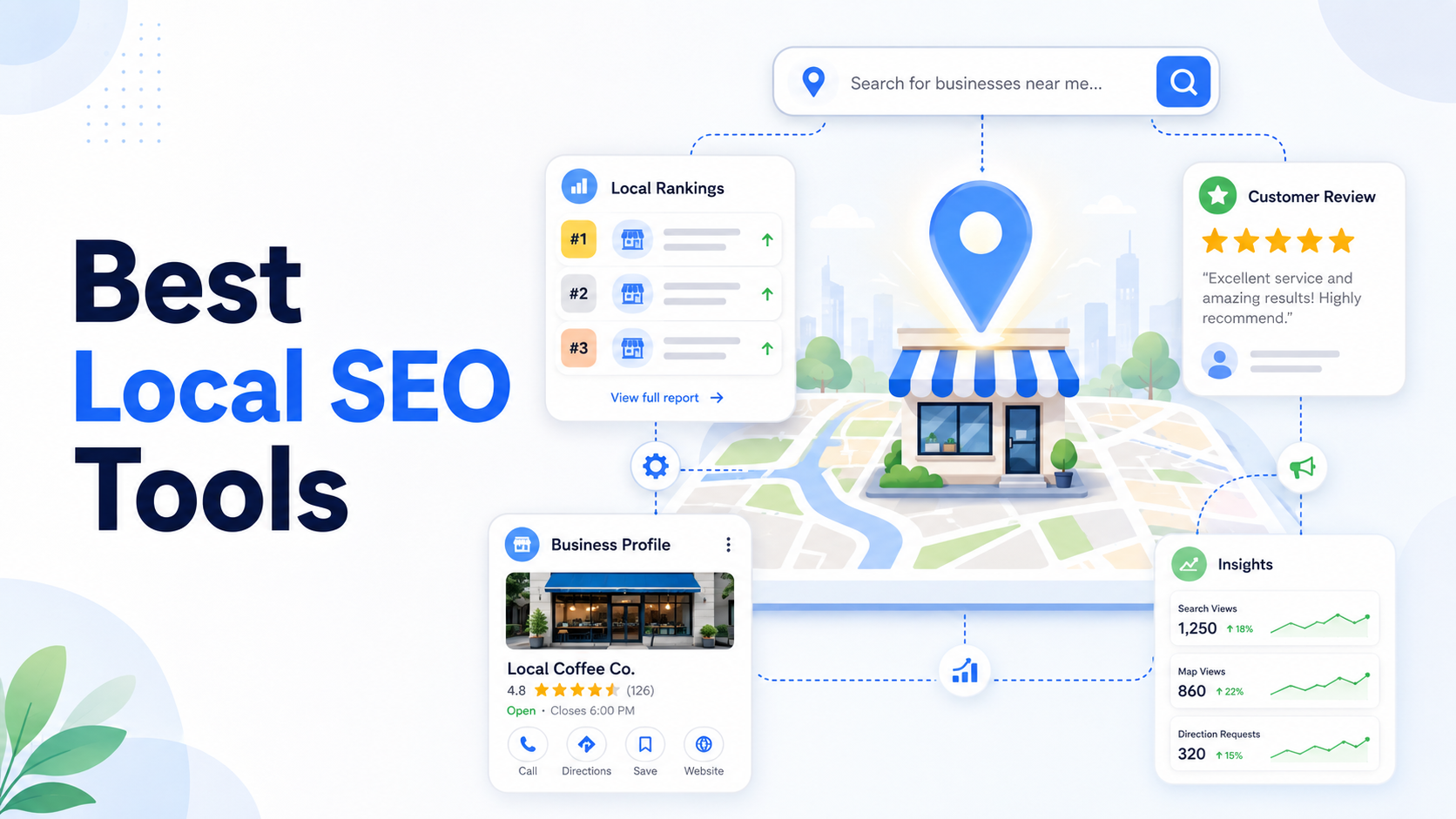
Google's local ranking is driven by three broad factors: relevance (how well your profile matches what someone searched for), distance (how close you are to the searcher), and prominence (how well-known and well-regarded your business is). You can't change your physical distance from every searcher, but you have a lot of influence over relevance and prominence. The tips below are organized around the levers that actually move those two.
Nothing else works until this is done. Claim your Google Business Profile and complete Google's verification process — usually by postcard, phone, email, or video. An unverified or unclaimed listing can't rank reliably and leaves your business information open to edits you don't control. If you've already claimed it, confirm the verification badge is still active, since Google occasionally requires re-verification after major profile changes.
A fully completed profile ranks better than a sparse one, full stop. Google has said profiles with complete information are easier to match to searches, and completeness is a signal in its own right. Fill in everything Google offers:
Your primary category is one of the single strongest relevance signals Google uses. It tells Google what your business fundamentally is, and it heavily influences which searches you show up for. Be specific rather than broad — "Emergency plumber" or "Italian restaurant" will usually serve you better than the generic "Plumber" or "Restaurant" if it accurately describes your core service.
Secondary categories let you capture additional services you offer without diluting your primary focus. Add the ones that genuinely apply, but don't pad the list with loosely related categories hoping to rank for more — irrelevant categories can confuse Google's understanding of your business and work against you.
NAP stands for Name, Address, and Phone number. When these three details are identical across your website, your Google Business Profile, and every directory and citation site that lists you, Google gains confidence that your business is legitimate and that the information it's showing searchers is accurate. Inconsistencies — a suite number here, an abbreviated street name there, an old phone number on a directory you forgot about — chip away at that confidence and can suppress your ranking.
Audit your major citations periodically and fix mismatches. Pay special attention after any move, rebrand, or phone number change, since those are the moments stale information tends to get left behind.
Google Posts appear directly on your profile and signal to Google that your business is active. Share offers, events, product highlights, and updates. Keep them concise, lead with a clear point, add a quality image, and include a call to action. An active posting cadence helps you stand out against competitors whose profiles have gone stale.
Businesses with more photos tend to get more clicks, direction requests, and calls. Upload clear, well-lit images of your storefront, team, products, and completed work, and refresh them regularly rather than uploading a batch once and forgetting about it. Short videos add another layer most competitors skip entirely.
Anyone can post and answer questions in the Q&A section of your profile, which means misinformation can appear if you're not watching. Seed it with the questions customers actually ask, answer new ones promptly, and set up alerts so you catch them early.
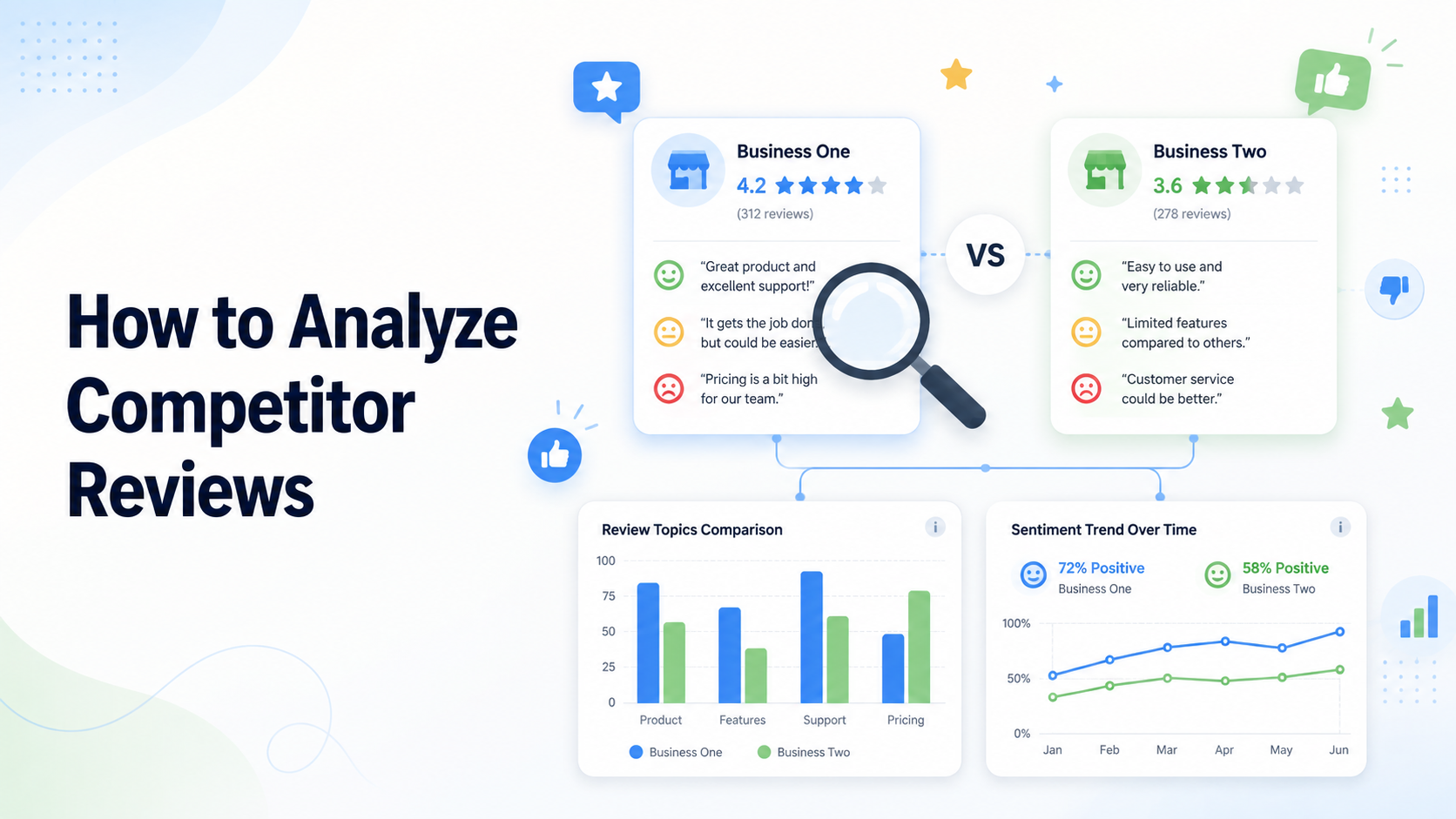
Reviews are one of the most visible prominence signals — both the quantity and the overall rating factor into local ranking, and they heavily influence whether someone chooses you once you appear. The businesses that win locally aren't the ones that got a burst of reviews once; they're the ones earning a consistent trickle week after week. The most reliable way to do that is to ask every satisfied customer at the right moment, over the channel they'll actually respond to.
This is exactly the problem TrueReview is built to solve: it automates review requests by text and email so the asking happens consistently without you having to remember, while keeping the whole process inside Google's guidelines.
Replying to reviews — positive and negative — signals engagement to Google and builds trust with prospective customers reading them. Thank people for positive reviews, and address negative ones calmly and constructively, offering to resolve the issue offline where appropriate. A thoughtful response to a critical review often does more for your reputation than the review itself does damage.
Never buy reviews, never offer incentives in exchange for them, and never gate reviews by filtering out unhappy customers before they reach Google — all of these violate Google's policies and put your profile at risk. Sustainable review growth comes from simply asking real customers and making it easy for them to follow through.
Use the performance insights inside your Google Business Profile to see how people find you, what searches you appear for, and which actions they take — calls, direction requests, website clicks. Watch the trend over time rather than obsessing over any single week, and let the data steer where you focus. If calls are climbing but website clicks are flat, that tells you something about what your profile is doing well and where it could do more.
Google Business Profile SEO isn't about a single trick — it's about treating your profile as a living asset. Verify and complete it, get your categories and NAP right, publish posts and photos consistently, earn a steady flow of genuine reviews, and respond to the people who leave them. Reviews are one of the strongest local ranking signals, so it's worth tracking their growth over time rather than guessing. You can download your Google reviews to a spreadsheet to chart review volume month over month and see whether your profile is gaining momentum against local competitors. Do those things reliably and you'll steadily climb the local results while competitors who set up their profile once and walked away fall behind. A tool like TrueReview handles the hardest part to sustain — consistently asking for reviews — so the prominence signal that Google rewards keeps building on its own.