BLOG POST
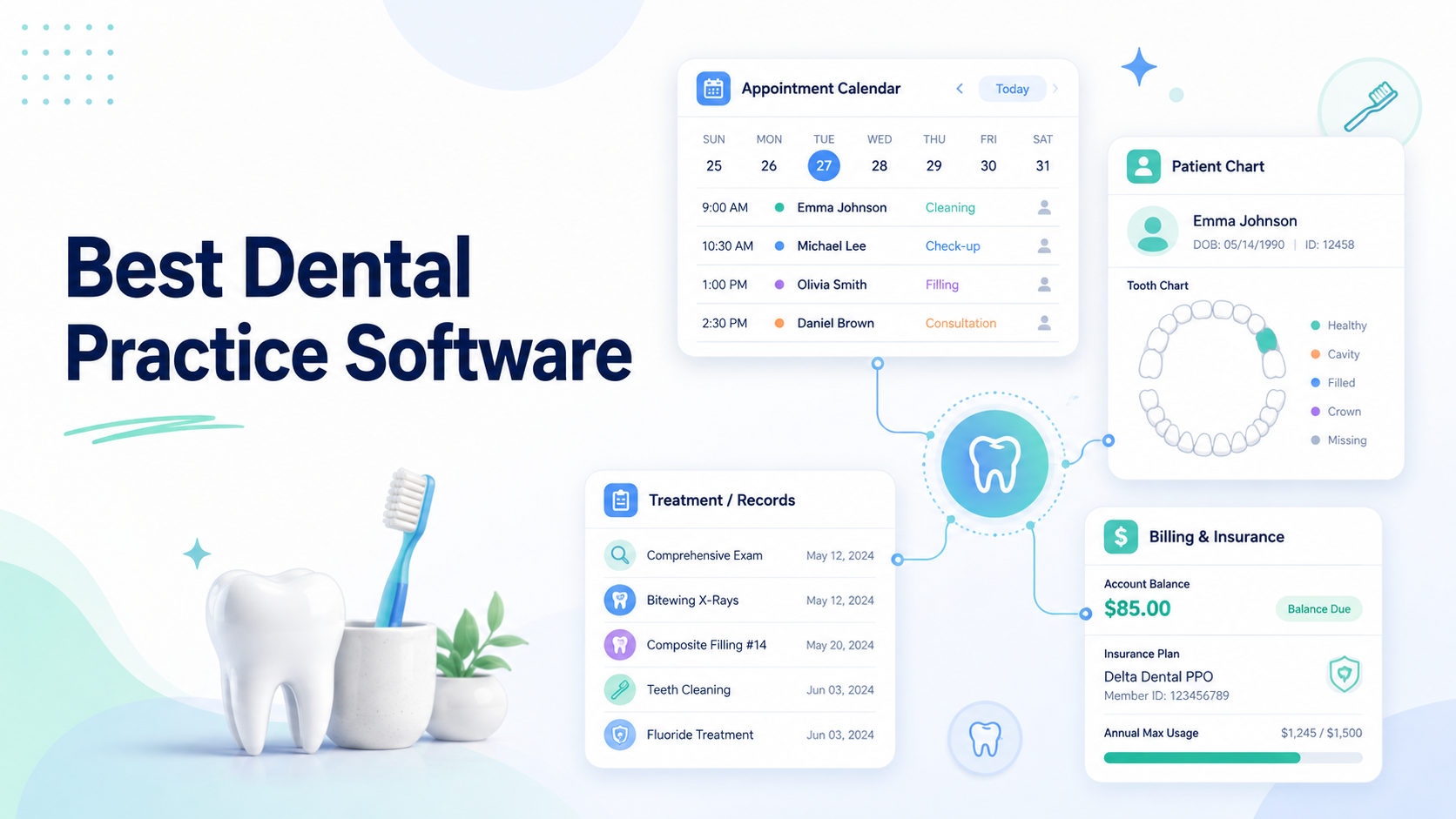
Search "dental intelligence" or "dental practice software" and you will get a wall of product names, each promising to fill your schedule, reduce no-shows, and grow production. Most are real, capable tools. The problem is that they solve different problems, and the labels overlap enough that it is genuinely hard to tell an analytics platform from a patient-communication app from a review tool at a glance.
This guide is written for the practice side - owner-dentists, office managers, and operations leads who have to choose, budget for, and actually run these systems. If you landed here looking for one specific product (Dental Intelligence is a well-known analytics and patient-engagement platform, for example), we will place it in context alongside its peers so you can decide whether that category is even the one you need.
We will group the market into the categories that matter, explain what each does well, flag how they connect to your practice management system (PMS), and give honest, hedged pricing ranges. No hype, no rankings pretending one tool wins for every office.
Before comparing feature lists, get clear on the job you are hiring the software to do. Most practices already have a practice management system; what they are really shopping for is the layer on top - the tools that surface metrics, reach patients, and protect the practice's online reputation. Working through the steps below in order will save you from buying overlapping subscriptions.
Analytics platforms sit on top of your PMS and turn raw operational data into dashboards, morning huddle reports, and provider-level metrics. They are built for practices that want to see production, collections, treatment acceptance, hygiene reactivation, and new-patient trends without hand-building spreadsheets. Some now blend analytics with patient engagement, so the category boundary is blurring.
The honest takeaway: analytics tools show you where money is leaking, but they do not plug the leak on their own. They pair naturally with the communication and review tools below, which is why several vendors have expanded into multiple categories.
One practical filter for this category is who will actually read the reports. A dashboard that only the owner logs into rarely changes behavior. The analytics platforms that move the needle are the ones a practice reviews together in a morning huddle, where a single number - hygiene reappointment rate, say, or same-day treatment acceptance - becomes a shared daily target. If nobody on the team will open the reports, a simpler PMS report may deliver most of the value for none of the cost.
Patient-communication platforms handle appointment reminders, confirmations, recall and recare messaging, two-way texting, forms, and sometimes phones. This is the busiest, most crowded category in dental software, and the one most likely to overlap with tools you already run. Because these systems send messages to patients, their privacy posture matters more here than almost anywhere else in your stack.
If you are weighing these against a review-first approach, we keep side-by-side comparisons for a few of them - see TrueReview vs RevenueWell, TrueReview vs Lighthouse 360, and TrueReview vs Intiveo. A quick note on scheduling, which often lives inside these suites: tools such as NexHealth and the booking modules built into communication platforms let patients self-schedule online and sync open slots back to your PMS. Whether you buy a standalone scheduler depends on how much online booking volume you actually expect.
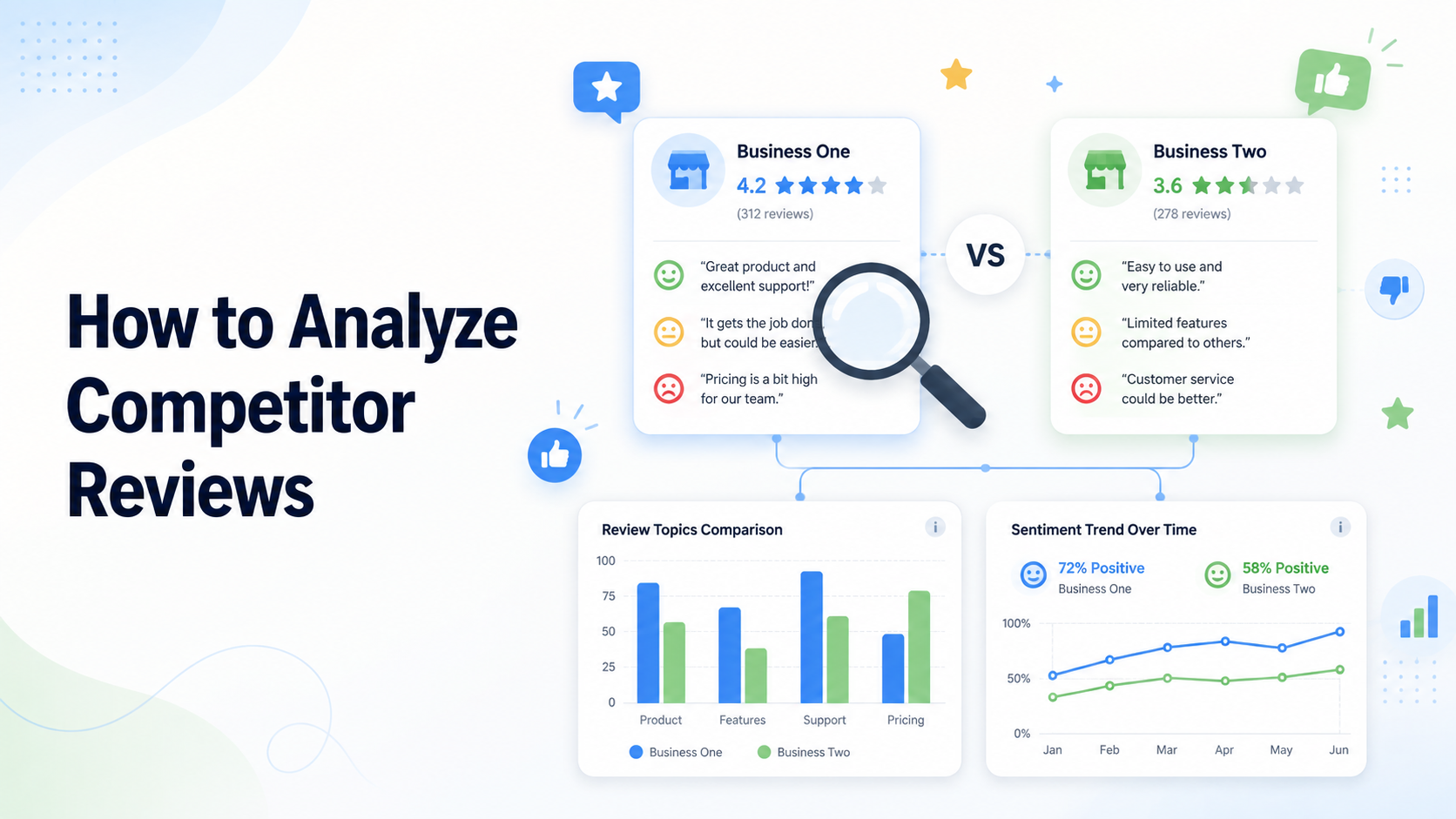
For most practices, the single highest-leverage marketing asset is a steady stream of recent, genuine Google reviews. Prospective patients read them, and volume plus recency influence how visible your practice is in local search. Review and reputation tools automate the ask, consolidate ratings from multiple sites, and help you respond - and this is the category TrueReview is built for.
The important compliance point here is how the ask is done. Google's policies and the U.S. Federal Trade Commission's rule on consumer reviews both discourage "gating" - the practice of screening for happy patients and only inviting them to post publicly. A defensible tool sends the same neutral request to everyone and manages opt-outs cleanly, rather than filtering by predicted sentiment.
Key capabilities to look for in this category:
Everything above depends on connecting to your practice management system, and this is where deals quietly succeed or fail. The three systems most add-on vendors support are Open Dental, Dentrix, and Eaglesoft, and they behave differently.
Two questions cut through most sales pitches: does the integration read appointment status in real time or on a delay, and is my exact PMS version officially supported? Get those answers in writing before you sign.
Dental software pricing is notoriously opaque. Most vendors in the analytics and patient-communication categories quote per location after a demo, bundle features into tiers, and adjust for practice size, so public list prices are scarce and change often. Treat every figure below as a rough, order-of-magnitude guide, not a quote.
| Tool | Best for | Notable | Pricing (approx.) |
|---|---|---|---|
| Analytics | |||
| Dental Intelligence | Practice metrics + engagement | Dashboards, team tracking, added workflow tools | Quote-based; per location |
| Patient Prism | Phone / new-patient calls | Call recording, analysis, and coaching | Quote-based |
| Patient communication & scheduling | |||
| RevenueWell | Marketing + messaging | Reminders, recall, campaigns, newsletters | Quote-based; per location |
| Lighthouse 360 | Automated reminders / recall | Part of Henry Schein One; cross-PMS options | Quote-based |
| Weave | Phones + messaging in one | VoIP, texting, payments bundled | Reportedly from a few hundred/mo |
| Intiveo | Patient engagement | Reminders, confirmations, recall; size-based options | Quote-based |
| NexHealth | Online scheduling | Patient self-booking synced to the PMS | Quote-based |
| Reviews & reputation | |||
| TrueReview (Ours) | Review generation + reputation | Neutral SMS/email requests, multi-site monitoring, widgets | Tiered plans; 14-day free trial |
Pricing is approximate and moves frequently - verify current pricing and features on each vendor's own site before deciding.
A realistic full stack for a single-location practice - a PMS plus one communication tool and a review tool - typically lands somewhere in the low-to-mid hundreds of dollars per month, before phones or hardware. Multi-location groups negotiate differently and should ask about per-location and enterprise terms.
When you compare quotes, look past the headline number for three things that quietly change the real cost: setup or onboarding fees, contract length and cancellation terms, and per-message or per-location charges that scale as you grow. A slightly higher monthly rate on a month-to-month plan with no setup fee can easily beat a "cheaper" annual contract once you account for the commitment. Ask each vendor to itemize what is included at the tier they are quoting so you are comparing like for like.
TrueReview is deliberately focused: it is review-generation and reputation software, not a full PMS, phone system, or all-in-one analytics suite. If your goal is more genuine Google reviews and a clear picture of your reputation across sites, it is built for exactly that - and it plays alongside whatever practice management and communication tools you already run.
It automates review requests by SMS and email with customizable delays and follow-ups, consolidates reviews from Google, Facebook, Healthgrades, Zocdoc, WebMD, and more into one dashboard with alerts, and includes an AI response generator and embeddable widgets for your website. Because it sends neutral requests to every patient and manages opt-outs, its approach is designed to stay consistent with Google's policies and the FTC's rule on consumer reviews.
On privacy, TrueReview is HIPAA-aware and offers a BAA-lite path for dental practices that want added assurance around how patient contact data is handled - not a blanket compliance claim, but a practical posture for review workflows. One caveat worth knowing if email matters to you: the common email infrastructure provider SendGrid is not HIPAA-eligible, so message content should be kept generic rather than carrying clinical detail. For a fuller picture of how this works in a dental setting, see our dental practices overview.

Keep your PMS and communication tools; let TrueReview handle policy-aware review requests and reputation monitoring. Start a free 14-day trial and see how it fits alongside what you already run.