BLOG POST
Few local businesses live or die by reviews quite like salons. A hair salon, nail salon, MedSpa, or barber shop is a service that's both personal and visible — a client wears the result of your work in public for the next two weeks. When it goes well, they tell their friends. When it goes wrong, they take to Google and Yelp before they leave the parking lot.
The salon business is also one of the few local categories where the emotional peak of customer experience is built right into the appointment. The moment the cape comes off and a client sees their hair in the mirror is the moment they're most likely to leave a glowing review — or, if it went badly, the most likely to leave a damaging one. The salons that win the 2026 reviews game are the ones who recognize that moment and build a system around it.
This guide is the complete playbook: how to collect Google reviews consistently, how to capture private feedback from unhappy clients before they post publicly, how to manage stylist-level reputation in a multi-chair salon, and how to turn reviews into the steady stream of new bookings every salon depends on.
For the broader local-business reputation foundation, see our pillar guide on Google reviews for business. For trade-specific reviews tactics, see our guide for getting more salon reviews.
A few realities about how salon clients behave that explain why reviews are the single highest-leverage marketing investment a salon owner can make.
Salon clients almost always research before booking. 98% of consumers read online reviews before choosing a local business, and for personal-services purchases like haircuts, color, lashes, and nails, that number rounds up to "everyone." A prospect comparing your salon to the one two blocks over is looking at your Google reviews to decide.
Visual proof is part of the purchase decision. Salon reviews carry more weight when paired with photos. A 5-star review that includes a photo of the client's beautiful balayage does more for your bookings than ten text-only reviews.
Word-of-mouth and reviews are nearly the same thing now. When a client loves their cut, they don't just text a friend — they tag your salon on Instagram, leave a Google review, and recommend you in their neighborhood Facebook group. The line between "personal recommendation" and "online review" has effectively dissolved.
Repeat visits are built into the business model. Unlike a one-off body shop visit, a hair salon client comes back every 6–8 weeks. This is both an advantage (every visit is a chance to ask for a review) and a risk (one bad experience can end a relationship that would have lasted a decade).
The "I hate my bangs" problem is real. Salon dissatisfaction is often emotional and immediate. A client who hates her new color spends the drive home composing the angriest review of her life. The window between experience and review is sometimes minutes — which makes the feedback-collection system you have in place at that exact moment hugely consequential.
Some stats worth knowing as a salon owner:
Reviews for salons isn't a one-channel problem. The right strategy combines public review collection (Google, Yelp, Facebook), private feedback capture (so unhappy clients don't post their frustration publicly), and Instagram-as-third-platform (because the visual nature of salon work makes social media reviews uniquely powerful).
Here's the system in seven parts.
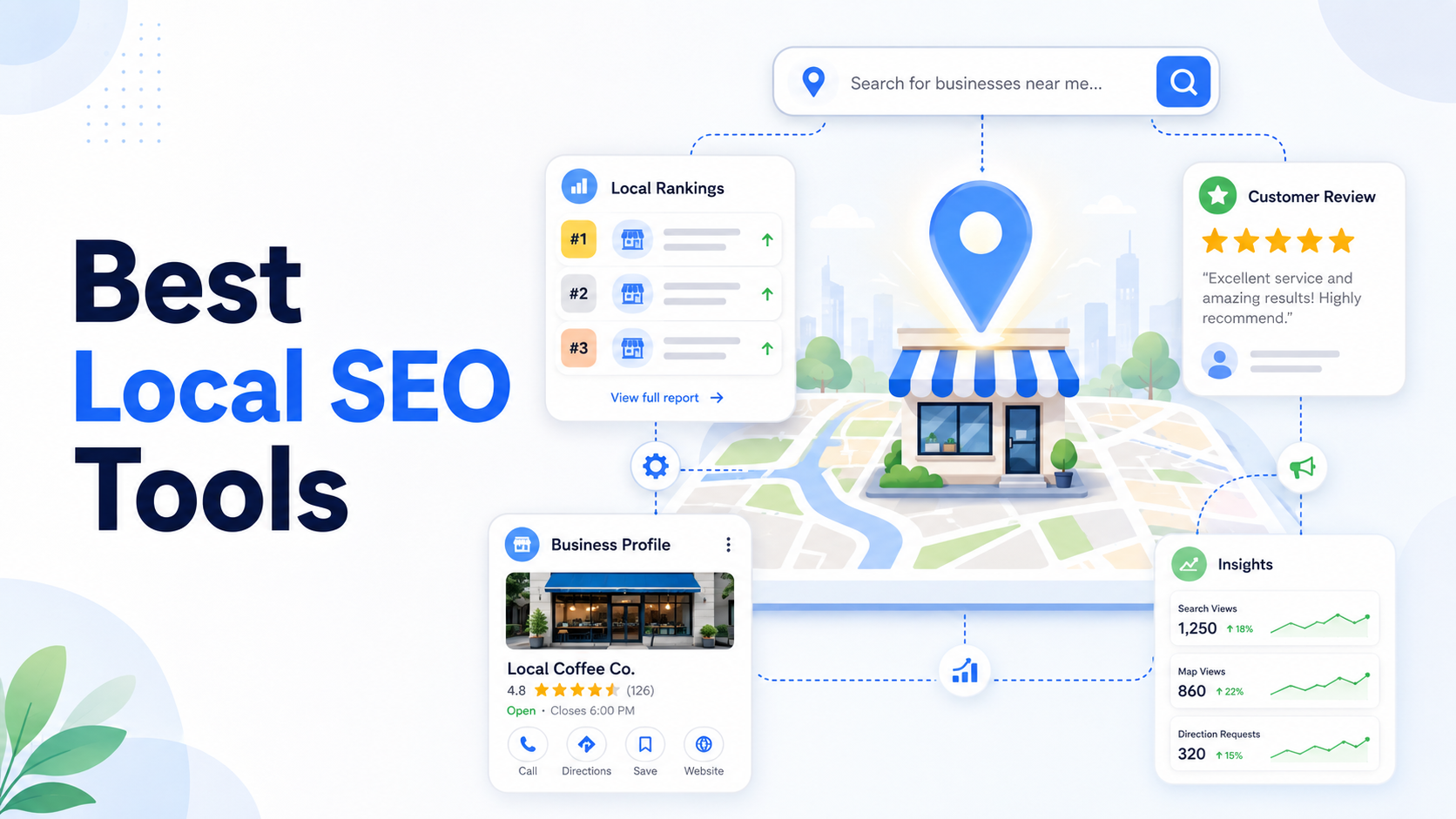
For salons specifically, Google Business Profile is where the booking-decision battle is won or lost. When someone searches "hair salon near me," "balayage [city]," "nail salon [neighborhood]," or "best barber in [area]," they're shown Google's Local Pack — the 3-result map view at the top of search results. The Local Pack captures 44% of all clicks on local search queries.
What works for salons specifically:
Most salons ask 10–15% of their clients for reviews and wonder why their review count grows slowly. The salons that win make the ask automatic.
The salon-specific timing rule: ask within 24 hours of the appointment. Same-day text messages outperform anything else for salon reviews — the experience is fresh, the client is still admiring their hair in the mirror, and they're often actively texting friends about their new look anyway.
The system:
This is the part of the salon reviews playbook that distinguishes professionals from amateurs.
Salon clients sometimes leave the chair quietly unhappy. The cut is too short, the color is brassier than they wanted, the nail shape is wrong. In the moment, many won't say anything — they don't want a confrontation, they want to get home. But in the car, in the parking lot, sometimes in the chair as soon as they get to a mirror at home — they take their frustration to Google.
A public 1-star review costs you more than a single client. It costs you every future prospect who reads it. The 1-star review that says "she ruined my color and refused to fix it" can quietly cost a salon $10,000+ in lost bookings over the year that review sits at the top of your Google profile.
The solution: a feedback gate. Before sending the client to a public review platform, ask them to rate their experience privately on a 1–5 scale. Anyone who rates 4 or 5 stars goes to the public review platform (Google, Yelp, etc.). Anyone who rates 3 or below is routed to a private feedback form where they can tell you directly what went wrong — giving you a chance to fix it before they post publicly.
This is not "review gating," which violates Google's policy. Review gating means filtering customers so only happy ones can leave public reviews. A feedback gate is different: it gives unhappy customers a private feedback path in addition to their public review option, not instead of it. They can still leave a public review if they choose — they just have the option to give private feedback first. The distinction is consent, not censorship.
For a deeper walk-through of the legal and on-policy way to do this, see our feature on direct customer feedback. It's specifically designed for salons and other beauty businesses where the "I hated my haircut" risk is highest.
What to do when someone routes through private feedback:
Done well, this turns an angry would-be 1-star reviewer into a loyal repeat client who now has a story about how your salon went above and beyond. Done badly, you'll find out about the problem when their public review goes live the next day.
Many salons function as a collection of semi-independent stylists sharing a brand. Each stylist has their own client base, their own social media following, and often their own loyal fans. This creates an interesting reputation problem: a client might love their stylist but be ambivalent about the salon, or vice versa.
Approaches that work:
Beyond Google, three platforms matter for salons specifically.
Yelp — still important, especially in major metros and tourist-heavy areas. Hair salons, nail salons, and barber shops are some of the most-searched categories on Yelp. Claim your free business page, fill out every field, and upload at least 3 photos within a day of claiming (this gets you 2.2x more page views). Yelp also tends to attract longer, more detailed reviews than Google — which can be useful for prospective clients researching new salons in their area.
Facebook — declining in importance for younger demographics but still relevant for clients in their 40s and older. Maintain a basic business page with photos, hours, and booking info. Encourage satisfied clients to leave Facebook reviews if they prefer that platform.
Instagram — for salons, Instagram functions as a third review platform in a way it doesn't for most local businesses. Tagged photos of finished looks, Stories of behind-the-scenes work, and Reels of transformations are all essentially visual reviews. Some tactics:
Your replies to reviews are public. 97% of review readers also read the business's responses — your reply is part of your reputation.
For positive reviews:
A good template:
Hi Jessica — thank you so much! So glad you loved your balayage with Sarah. We'll see you back in 8 weeks for that gloss touch-up we talked about — and tag us on Instagram if you do a photo shoot with the new color!
For negative reviews:
If responding to every review consistently feels like too much, the TrueReview AI Review Response Generator drafts personalized replies in your salon's voice — and the automated review reply feature can send templated responses to new reviews instantly.
Reviews aren't just signals to Google — they're marketing assets. Use them everywhere a prospective client might encounter your salon.
On your website: Embed your live Google reviews on your homepage, services pages, and booking pages. Embedded reviews can lift website conversion by up to 270%. TrueReview's review widget handles this — paste your profile URL once, customize the design to match your salon's brand, and drop the embed code in. New reviews appear automatically.
On social media: Turn your best reviews into branded Instagram posts and Stories. The visual + testimonial combo performs very well in the salon vertical.
In your booking confirmation emails: Including a recent 5-star review in your appointment confirmation email both reinforces the client's choice and reminds them that you appreciate reviews.
In your physical space: A printed "Wall of Love" with framed standout reviews is more powerful than most salons realize. Clients in the chair waiting for their color to process will read every word.
If your current setup is "we have a Google profile and a Facebook page," here's the sequence:
Week 1: Foundations
Week 2: Reviews System
Weeks 3–4: Content & Response
Weeks 5–8: Acceleration
By day 60, you should see your review count growing by 15–30 new reviews per month (depending on your salon size), your average rating stable or improving, and your team trained on a consistent system.
Five things to remember:
Salon reviews in 2026 aren't about clever tactics — they're about doing the boring fundamentals consistently. Claim your Google profile. Ask every client. Give unhappy ones a private path. Respond to every review. Display the social proof everywhere. The salons that build this habit win the compounding game month after month.
If you want to go deeper on the salon-specific tactics, for a step-by-step walkthrough, see our guide on hair salons and barbershops get more google reviews. And to make the ask automatic on every visit, for a step-by-step walkthrough, see our guide on how salons and barbershops turn every appointment into a google review.
The same visible-result, high-emotion dynamic drives reviews in adjacent beauty trades too — for more tactics, see our guide on tattoo and piercing studios get more google reviews.
Ready to put your salon's reviews on autopilot? Start a free 14-day trial of TrueReview — automated SMS and email review requests, booking platform integrations with Vagaro, Square Appointments, Booksy, GlossGenius, Boulevard, and Mindbody, AI-powered review responses, and live review widgets you can embed on your salon website.