BLOG POST
If you run a salon or barbershop, you probably already know that reviews bring in new clients. What most shops haven't figured out is how to collect reviews when the business isn't really one business at all — it's a collection of independent stylists and booth renters, each building their own book. The standard "leave the shop a review" approach misses the entire structure of how modern salons and barbershops actually work. This guide is about the booth-renter and individual-stylist angle, plus the chair-side QR workflow that fits the way these shops run.
Salons and barbershops are a natural fit for SMS review requests — clients book by appointment, you have their number, and a text after the visit feels normal. But the question of who the review credits, and how a chair-side ask works when stylists rent their own chairs, is where it gets interesting. For the underlying mechanics, see requesting reviews with SMS; for the timing fundamentals, see how to ask for reviews.
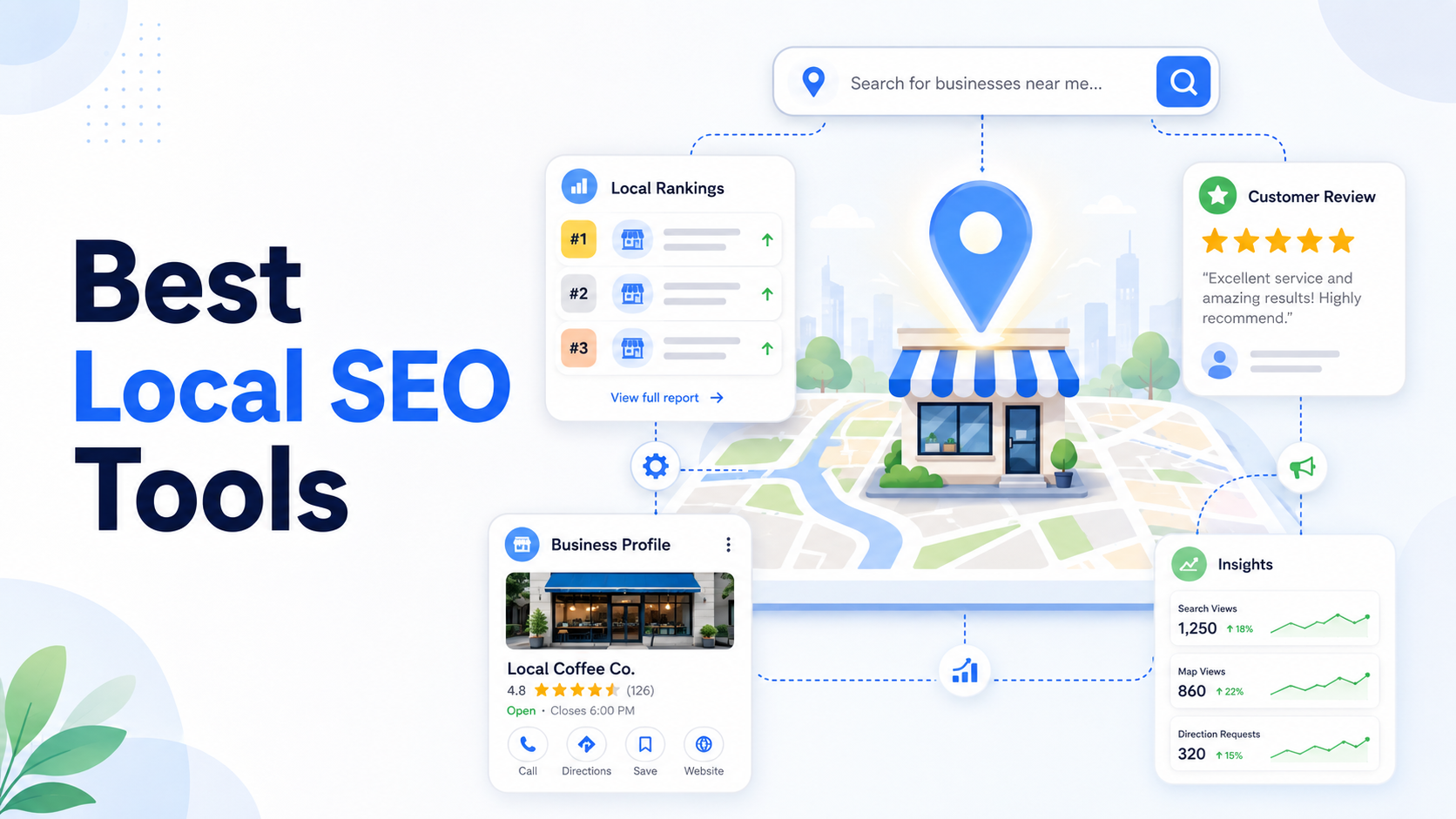
Reviews drive new bookings. "Hair salon near me," "barber [city]," and "[service] near me" are local SEO searches, and shops in Google's Local Pack capture most of the new clients. Local Pack position depends heavily on review quantity, recency, and rating.
Booth renters are their own businesses. In a booth-rental shop, each stylist is effectively an independent operator sharing a roof. They care about their book, their rebookings, and their reputation. A review strategy that treats the shop as one monolithic entity ignores what actually motivates the people in the chairs.
Individual reputation drives rebooking. Clients don't return to "the salon" — they return to their stylist. Reviews that reflect a specific stylist's work help that stylist fill their book and help new clients pick the right person for their hair.
A few benchmark stats:
Here's the structural challenge. A booth-rental salon might have eight stylists, each managing their own clients, schedule, and pricing. They all share one Google Business Profile — the shop's. So how do you collect reviews that benefit individual stylists while still building the shop's overall profile?
The shop's Google profile is the shared asset — and that's fine. Every review, no matter which stylist earned it, strengthens the shop's Local Pack ranking, which sends more walk-in and search traffic to everyone. The rising tide lifts all books. The key is getting each stylist to actually participate.
Route requests per stylist. Each stylist's completed appointments should trigger a review request tied to that stylist, so the volume reflects who's actually generating it — useful for friendly internal accountability and for stylists who want to point new clients to their reviews.
One important Google rule: you can route the request from the right stylist, but you cannot instruct clients to name their stylist in the review (more in the FAQ). If a client mentions their stylist organically — which happens constantly in hair reviews — that's perfect and entirely allowed.
Salons and barbershops have a moment most businesses don't: the client is sitting in the chair, looking at a fresh cut or color in the mirror, at the absolute peak of "I love this." That's the moment to capture — and a chair-side QR code for Google reviews does it.
How it works: a small QR stand at each station, or on the stylist's mirror, links straight to the shop's Google review page. While the client is admiring the result and waiting to check out, they scan and leave a review on the spot — before the moment fades and before they walk out the door.
Per-stylist QR codes. For booth renters who want to track their own contribution, each station's QR can use a tagged link so the stylist can see the reviews tied to their chair. (Setting up your destination link? Here's how to find your Google review link.)
Pair it with a texted link. The QR catches the in-chair moment; an automated SMS a couple of hours after the appointment catches everyone who was in a rush. Together they cover both the impulse and the follow-up.
1. Chair-side QR scan. A QR stand at each station captures the peak "I love my hair" moment before checkout. The signature move for this vertical.
2. Post-appointment SMS (per stylist). An automated text a couple hours after the visit, routed from the stylist who did the work.
3. New-client follow-up. A first-time client who loves their cut is a high-conversion ask — they took a chance on a new stylist and it paid off.
4. Color/transformation moment. A dramatic color change or restyle is a natural review (and photo) opportunity — ask while they're thrilled with the before/after.
5. Regulars, occasionally. For clients on a 4–6 week cycle, ask once or twice a year, not every visit. A "we always love seeing you" note pairs well with the ask.
Post-appointment SMS (per stylist):
Hi Tasha — hope you're loving your hair! If [Stylist] took great care of you today, a quick Google review really helps the shop: [link]
New-client SMS:
Hi [name] — so glad you came in today! We hope [Stylist] won you over. A quick Google review would help other clients find us: [link]
Color/transformation SMS:
Hi [name] — that new color came out gorgeous! If you're happy with it, a quick Google review (a photo's welcome too!) means a lot to a small shop: [link]
Regular-client email:
Subject: Always great seeing you, [name]
Hi [name], we always look forward to your visits — thanks for being a regular at [Shop].
If you've never left us a review and have a minute, it would mean a lot. Reviews are how new clients find a shop they can trust:
[Leave a Review button]
See you next time — [Stylist/Shop name]
Treating the shop as one entity and losing the stylists. If individual stylists don't feel ownership, they won't ask. Routing requests per stylist and letting them track their own reviews drives participation.
Letting the in-chair moment pass. The peak "I love it" feeling happens in the chair, not three days later. Without a chair-side QR, you're losing your best moment.
Instructing clients to name their stylist. Against Google's policy. Route from the right stylist and let the mention happen naturally — it almost always does in hair reviews.
Asking regulars every visit. A client every 4–6 weeks doesn't have something new to say each time. Ask once or twice a year and they'll actually do it.
Offering a discount for reviews. "$10 off next visit for a review" violates Google's policy and risks the shop's whole review base — which hurts every stylist under that roof.
A booth-rental salon set up chair-side QR stands at every station linking to the shop's Google review page, plus an automated SMS routed per stylist a couple hours after each appointment. Each stylist could see the reviews tied to their own chair, which turned review collection into a bit of friendly competition rather than a chore the front desk nagged about.
Because every stylist had a personal stake, participation was high and reviews came in steadily — most mentioning their stylist by name, organically. The shop's shared Google profile climbed in the Local Pack, sending more search and walk-in traffic to the whole roster. The structure that usually makes salon reviews hard — many independent books under one roof — became the thing that powered the volume.
The thing that makes salon and barbershop reviews tricky — many independent stylists under one roof — is actually the key to collecting them at scale. Give each stylist ownership of their own requests, capture the peak moment with a chair-side QR before the client leaves, and let the shared Google profile lift every book at once. That's how a shop full of individual operators builds one commanding review presence.
Ready to set up per-stylist requests and chair-side QR? Start a free 14-day trial of TrueReview — SMS and email review requests, deep integrations, and live Google review widgets you can embed on your site. See pricing →