The auto body business has one of the toughest sales environments of any local service trade. Most customers don't want to be at your shop — they're there because something bad happened to their car. They're stressed, they're dealing with insurance, and they've usually never picked a body shop before. Whether they choose you over the shop down the street comes down to one thing: whether yours is the name that comes up first when they search "auto body shop near me" — and whether what they find when they get there earns their trust in the next 30 seconds.
Modern auto body shop marketing is no longer about flyers and Yellow Pages ads. It's about owning your local search results, building a constant stream of fresh reviews, and creating systems that turn first-time customers into referrals for the next decade. This guide is the complete 2026 playbook — every channel that matters, every tactic worth your time, and the specific things to skip.
For trade-specific reviews tactics, see our guide to getting Google reviews for auto repair shops. For the broader local-business reputation playbook, see our pillar guide on Google reviews for business.
The Customer Reality You're Marketing Into
A few things worth understanding about how auto body customers behave before you spend a dollar on marketing.
They're searching, not shopping. A typical body shop customer hasn't been thinking about your shop. The accident happened yesterday or today. They pick up their phone, type "auto body shop near me" or "collision repair [city name]," and look at the first three results. If you're not in those first three, you don't exist to them.
They trust reviews over almost everything else. 97% of consumers read online reviews before choosing a local business — and for high-stress, infrequent purchases like collision repair, that number is essentially 100%. They're reading reviews because they don't know how else to evaluate the quality of a body shop they've never visited.
The insurance company often picks for them. A huge percentage of body shop business comes from insurance Direct Repair Programs (DRPs) — Geico, State Farm, Allstate, Progressive, etc. Getting on insurance preferred lists is a separate marketing track that compounds over years, not weeks.
They probably won't be back for 7+ years. Repeat customer rate in collision repair is low because most people don't get in accidents often. The lifetime value math is different than for an HVAC or plumbing business — which means referrals and reviews matter more proportionally than they do for trades with built-in repeat business.
The takeaway: your marketing system needs to win the search-result fight, build trust fast through reviews, and turn every satisfied customer into a referral source. Everything in this guide ladders up to one of those three things.
The 7 Marketing Channels That Actually Work for Body Shops
There's no shortage of marketing tactics people will sell you. Here are the seven that consistently produce results for auto body shops in 2026.
1. Google Business Profile (The Most Important Listing You Have)
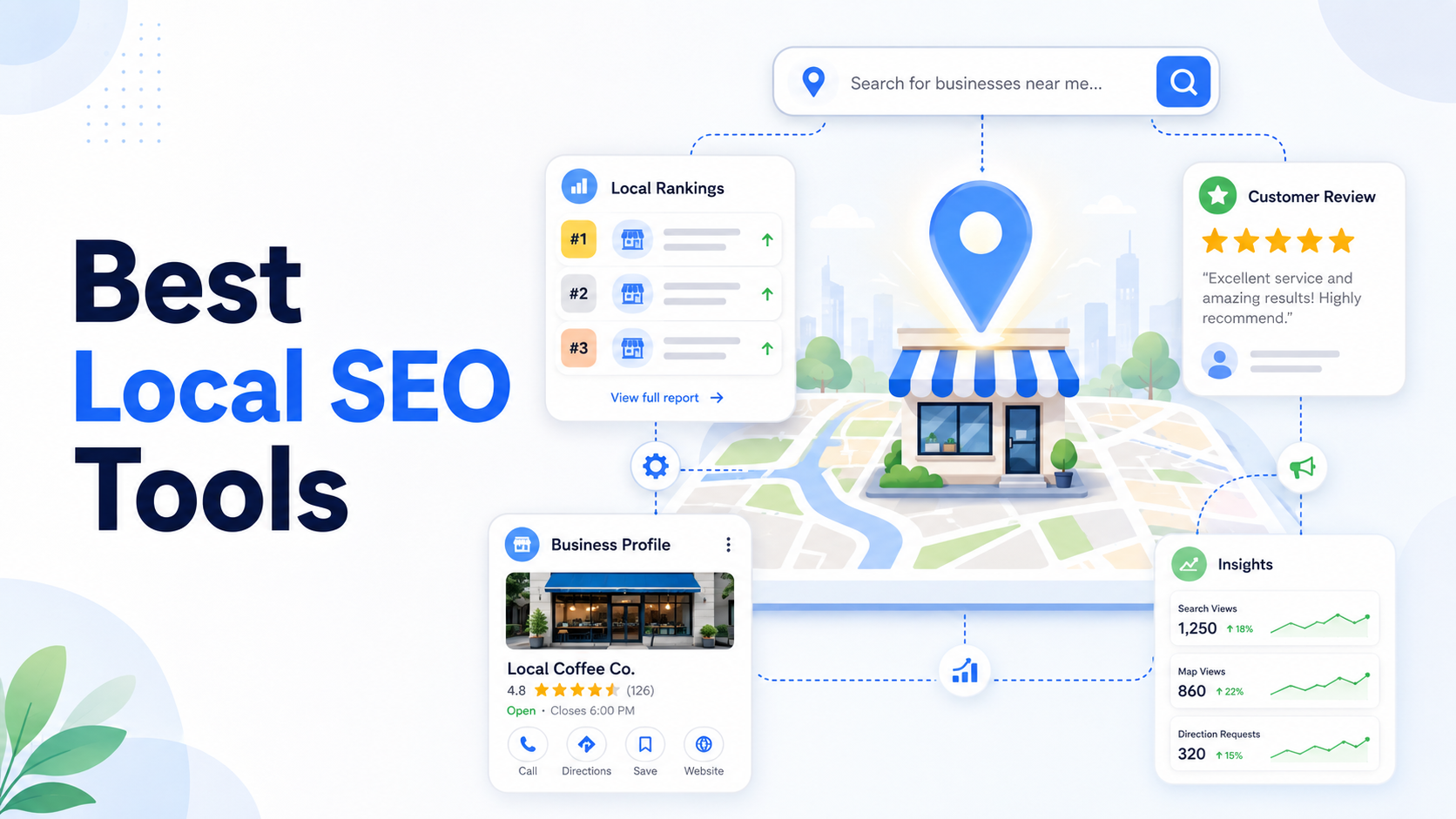
If you do nothing else from this guide, claim and fully optimize your Google Business Profile. It's free, takes 30 minutes, and is the single highest-leverage thing most body shops can do for their visibility.
Why it matters more than every other channel combined: when someone searches "auto body shop near me" or "collision repair [city]," Google's Local Pack — the 3-result map view at the top of search results — gets 44% of all clicks. Winning one of those three spots is the single biggest lever your shop has, and Google Business Profile is the foundation.
What to do:
- Fully complete your profile. Every field — hours, phone, address, website, service areas, photos. Skipping fields directly costs you rankings.
- Choose the right categories. Set your primary as "Auto Body Shop" or "Collision Repair Service," then add secondary categories for everything else you do (auto repair, paint shop, towing if applicable, glass repair, dent removal).
- Upload real photos of your work. Businesses with photos on their Google Business Profile receive 42% more requests for directions and 35% more website clicks. Upload before/after shots from completed jobs every week — these are the most powerful content you can post.
- Use Google Posts for shop updates, seasonal reminders ("ready your car before winter"), and announcements. Posts signal to Google that your listing is active.
- List all the insurance companies you're a DRP for — this is a major filter customers use when picking a shop.
2. Reviews (The Highest-Leverage Marketing Investment a Body Shop Can Make)
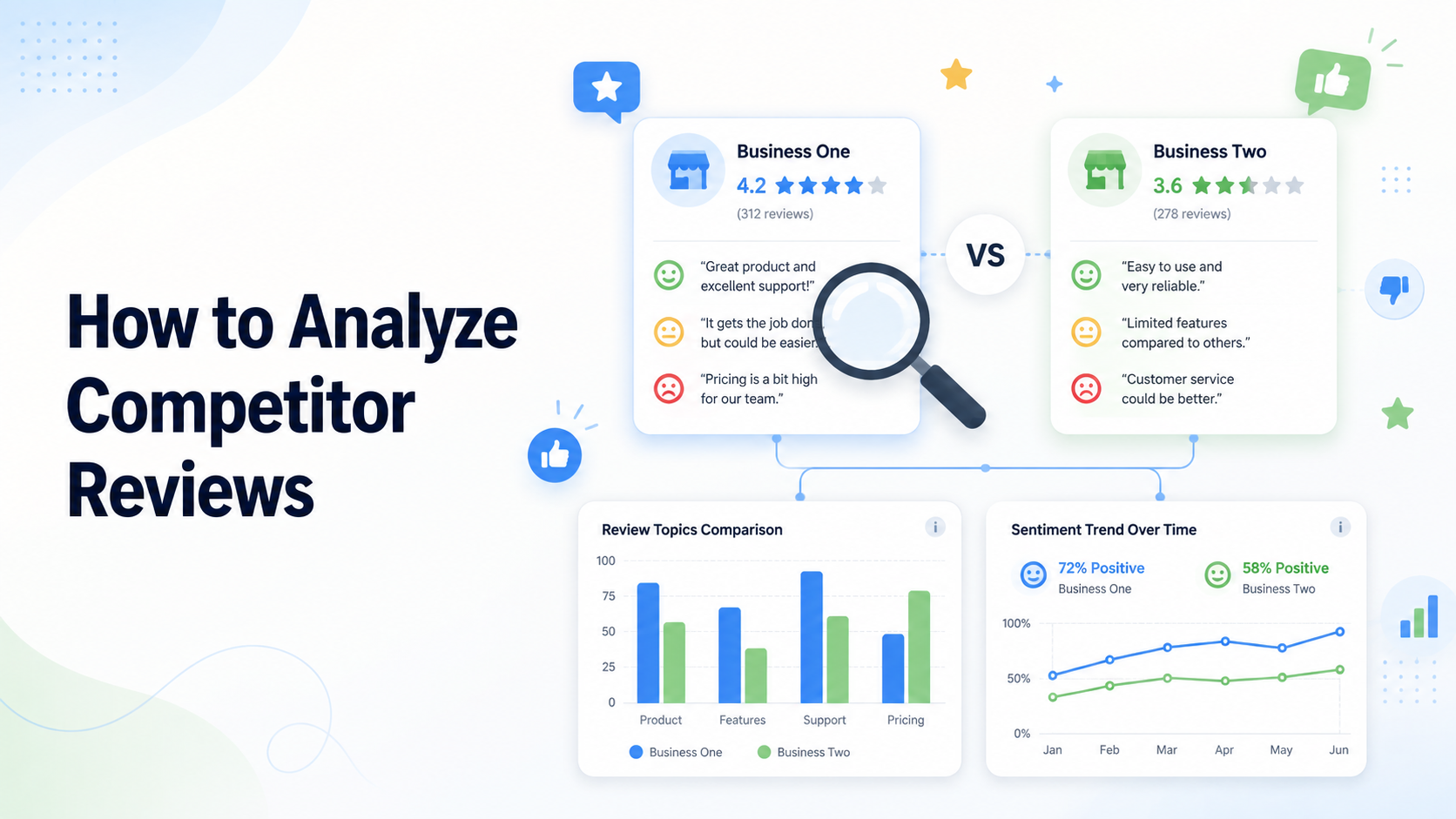
Reviews are the single most important factor in whether a stranger picks your shop over the one three blocks away. They're also the highest-ROI marketing channel by a wide margin — collecting them costs you almost nothing if you have a system, and they drive both rankings and conversions for years.
The stats:
- 31% of consumers will only consider a business with 4.5 stars or higher — up from 17% the year before
- Businesses in Google's top 3 local positions average 47 reviews; those in positions 7–10 average just 38
- Review signals account for an estimated 20% of Google's Local Pack ranking algorithm
- 97% of review readers also read your responses — your reply is part of your reputation
The system that consistently works:
- Ask every customer at pickup. Train your service writers and front-counter staff to mention a review request as part of the handoff — "We'd really appreciate a quick Google review if you have a minute, helps a small shop like ours."
- Follow up with an automated SMS or email the next day. This catches everyone the in-person ask missed.
- Make the link one tap from the review form. Don't make customers search for you — generate your direct Google review link and use it everywhere.
- Respond to every review — positive and negative — within 48 hours. Personalized replies signal to future customers that you actually care.
- Add a feedback gate so unhappy customers can flag issues privately before posting publicly. This is allowed by Google's policy (it's not gating reviews — it's listening to feedback). Direct customer feedback is the on-policy way to catch problems before they become 1-star reviews.
Manual review collection works for shops doing 10 jobs a month. For everyone else, automate it. A platform like TrueReview connects to your shop management software (CCC ONE, Mitchell Cloud Estimating, Rome Shop Management, AutoVitals) and fires a review request automatically when the job is marked closed. The contractors using automated systems consistently move from 10–15 reviews to 100+ in their first year — and those reviews compound into Local Pack rankings month over month.
3. Local SEO (The Long Game That Compounds)
Local SEO is the underlying discipline that determines whether you show up when someone searches for body shops in your area. It's an investment that pays back over months and years, not days.
The basics every body shop should have:
- Service pages for each thing you do — collision repair, paint, dent removal, frame straightening, glass replacement, towing, rentals. Each as its own page with clear content.
- Location pages for each area you serve — if you serve multiple towns or neighborhoods, create a dedicated page for each. Don't copy-paste content with the city name changed — Google detects this and penalizes it.
- Page titles and meta descriptions optimized for local search — "Auto Body Shop in [Your City] | [Shop Name]" beats "Welcome to Our Shop"
- Fast, mobile-friendly website — over half of body shop searches happen on phones; if your site is slow or hard to use on mobile, you lose customers before they even see your work
- NAP consistency — your Name, Address, and Phone should be identical across your website, Google Business Profile, Yelp, and every directory you're listed on
A blog that earns links and rankings: Most body shop websites have a blog that's either empty or hasn't been updated in 18 months. Even publishing one solid post a month answering common customer questions ("What to do after a fender-bender," "How do auto body insurance claims work," "Is paintless dent repair worth it?") builds your authority over time and brings in search traffic from people who become customers later.
4. Insurance DRP Relationships
Insurance Direct Repair Program (DRP) relationships are the single biggest revenue source for most established body shops. Getting on insurance preferred lists takes time and consistency, but the payoff is steady, high-volume work that requires no marketing per job.
How to get on more DRPs:
- Maintain strong customer satisfaction scores (CSI). Most insurers track this carefully, and you can be removed from their network if your scores drop. The best lever you have here is — again — a consistent review and feedback system that catches problems early.
- Apply to programs you don't currently have. Each major insurer has its own application process. Submit applications for every program where you have meaningful local volume.
- Build relationships with local agents and adjusters. Drop off coffee at a local State Farm or Allstate office. Get to know the local adjusters who write your estimates. Goodwill compounds.
- Invest in the certifications insurers care about — I-CAR Gold, OEM manufacturer certifications (Tesla, Hyundai, Honda, GM, etc.). These open doors to better-paying DRP work.
5. Customer Retention & Referrals
Repeat business is harder to engineer in collision repair than in other trades — most people don't crash often. But referrals are everything, because a referral is the highest-converting lead you'll ever get. A friend's recommendation cuts through every other marketing message.
A simple referral system:
- Ask for the referral at the moment of peak happiness. When you deliver a car back and the customer's reaction is "wow, it looks brand new" — that's the moment to say "If you know anyone who ever needs body work, we'd really appreciate the referral."
- Make it easy. Give them a business card with your direct contact info, or have them text your shop's number to a friend on the spot if it comes up naturally.
- A modest referral incentive can work — typically a small thank-you ($25–50 gift card, or a free detail) to the referring customer when their referral becomes a paying job. Don't make it a transactional bribe — make it a thank-you.
For retention of past customers (which matters even with the long lifecycle), a few light-touch tactics:
- Email newsletter quarterly with seasonal car-care tips, recent shop updates, and the occasional promotion
- Personalized follow-ups — a holiday email, a "happy anniversary of your repair" message
- Service reminders — if you do related work (detailing, paint correction, glass), send periodic reminders
6. Social Media (Selective, Not Comprehensive)
Don't try to be on every social platform. Pick two — Facebook and Instagram — and use them well. Both lean heavily visual, which is exactly what body shop work demands.
What works on Facebook and Instagram for body shops:
- Before/after photos and videos. This is the entire game. A dramatic before/after of a totaled-looking car restored to factory finish is the single most powerful piece of marketing content a body shop can produce. Post these regularly.
- Time-lapse videos of paint jobs, dent removal, frame work. These do extremely well on Instagram Reels and TikTok.
- Customer reaction videos (with permission) of customers seeing their car for the first time after pickup.
- Behind-the-scenes content — the paint booth, the prep work, your team. Builds trust and humanizes the business.
- Active participation in local Facebook groups — neighborhood groups, "[Your City] Recommendations" groups. Don't spam; be genuinely helpful, and let your reputation precede you.
What doesn't work: posting motivational quotes, generic stock photos of cars, or jumping on social media trends that have nothing to do with your business.
7. Targeted Local Advertising
When organic channels aren't moving fast enough, targeted local ads can fill the gap. The two that consistently work for body shops:
Google Local Services Ads (LSAs). These are the "Google Guaranteed" badge ads at the top of body shop searches. They cost per lead rather than per click — and the leads tend to be high-intent, since they're calling specifically because they need a body shop right now. LSAs require background checks and insurance verification, so set them up well in advance.
Geo-targeted Facebook and Instagram ads. Boost your best before/after content to people in your service area. A $200–500/month spend on a single high-performing before/after video can drive real lead volume.
Be cautious about:
- Yelp Ads — mixed reviews from body shops; test small before committing
- Lead-generation platforms that sell shared leads to multiple shops at once — the math rarely works out
- Print and direct mail — can still work in specific local markets, but the cost-per-lead is usually much higher than digital alternatives
Building Trust Fast (The 30-Second Test)
Even if your marketing channels are humming, your shop has to win the customer's trust in the first 30 seconds after they land on your website or Google profile. Most don't.
What customers are looking for in those first 30 seconds:
- Clear photos of recent work. Real before/after shots from your actual shop — not stock photos.
- Insurance company logos. Showing the DRPs you work with signals legitimacy fast.
- Star rating and review count visible. Google reviews shown directly on your site through a review widget — not hidden three clicks deep on a separate testimonials page.
- Trust badges and certifications. I-CAR, ASE, OEM certifications, BBB rating, ASA membership. Display them visibly.
- A clear primary action. "Get a Free Estimate," "Call Now," or "Schedule a Drop-Off" — one obvious next step, not five competing CTAs.
Every shop should pull up their own website on a phone, count to 30, and ask: would a stressed-out customer with a dented car know what to do next?
The Things to Stop Doing
Older auto body marketing guides recommend a lot of tactics that don't work anymore. A few to skip in 2026:
- Yellow Pages and printed phone-book directories — minimal traffic, not worth the listing fees
- Generic radio ads without trackable offers — almost impossible to measure ROI
- Buying reviews or asking employees/family for reviews — Google removed over 240 million policy-violating reviews in 2024 and is much better at catching this; the risk to your profile is real
- "No credit card required" or other dated lead-gen copy that signals an old playbook
- Heavy spend on shared-lead platforms — the math rarely beats organic Google + reviews
A 90-Day Marketing Plan for an Established Body Shop
If your current marketing is "we have a website and a Facebook page that hasn't been updated since 2023," here's the sequence:
Month 1: Foundations
- Audit and fully optimize your Google Business Profile (every field, photos, categories, hours, DRPs listed)
- Set up automated review requests through your shop management software or a tool like TrueReview
- Send a one-time bulk review request to your last 100 customers
- List your shop on Yelp, BBB, and 3 industry directories
- Audit your website mobile experience — fix the obvious issues
Month 2: Content & Reviews
- Post 8 before/after photos on Google Business Profile and Instagram (weekly cadence)
- Publish your first blog post answering a common customer question
- Respond to every existing review on Google, Yelp, and Facebook
- Create or improve service pages for each major service you offer
- Apply to one new insurance DRP
Month 3: Acceleration
- Add 2 more blog posts targeting local SEO keywords
- Set up Google Local Services Ads
- Launch a small geo-targeted Facebook/Instagram campaign promoting your best before/after content
- Embed your live Google reviews on your website
- Pull data on which channels are producing leads, and double down on what's working
By day 90, you should see new direct leads coming in from search, your review count should have grown by 30+ reviews, and you'll have hard data on which paid channels are paying for themselves.
The Short Version
Five things to remember:
- Win Google first. Google Business Profile + Google reviews + local SEO drive the majority of inbound body shop leads. Everything else is secondary.
- Reviews are the highest-leverage marketing investment a body shop can make. They drive rankings, conversions, and DRP retention simultaneously. Automate the collection or you'll never be consistent.
- Before/after content is your unfair advantage. No other local business has as much inherently shareable visual content. Use it on your website, Google Business Profile, Facebook, Instagram, and ads.
- Build DRP relationships methodically. This is where the steady revenue comes from. Strong CSI scores and certifications open the doors.
- Don't try to do everything. Two or three channels run well outperforms ten channels run poorly. Pick your highest-leverage spots and execute.
Auto body marketing in 2026 isn't about clever tactics or fancy tools — it's about doing the boring fundamentals consistently. Claim your Google profile, collect every review you can, post your best work, build referral partnerships, and respond to every customer like they could send you another five customers (because the happy ones often do).
Ready to automate the reviews side of this system? Start a free 14-day trial of TrueReview — automated SMS and email review requests, integrations with major shop management platforms, AI-powered review responses, and live Google review widgets you can embed on your website.