BLOG POST
Three categories of software make or break a small law firm: calendaring, intake, and reviews. Get those three right and the rest of the practice runs smoother. Get them wrong and you’ll miss deadlines, lose leads before you ever speak to them, and watch competitors with weaker case results outrank you in Google’s local results.
This guide walks through the tools that solo attorneys and small firms actually use in 2026 across those three categories. It’s not exhaustive — there are thirty calendaring tools and fifty intake platforms out there. It’s the working shortlist, with honest tradeoffs, real pricing, and a section at the end on how the three layers fit together.
Legal calendaring software does two things general calendar apps cannot: rules-based deadline calculation (the system knows that filing a complaint in California state court triggers a 30-day response window, then a discovery cutoff, then a motion deadline, all calculated from court rules) and integration with your case management system so deadlines fire automatically when a new matter opens.
Missing a deadline is the single fastest path to a malpractice claim. Every modern calendaring tool below handles this; the differences are in usability, integration depth, and price.
Quick rule of thumb: Solo attorney or firm under 5 lawyers — Clio Manage or MyCase. Mid-sized firm with workflow needs — PracticePanther. Litigation-heavy or PI firm — Filevine.
Deadline pressure looks different depending on what you practice, and some areas are better served by purpose-built tools. For high-volume criminal defense work, our guide to the best dui / dwi attorney software breaks down pricing and features. For docketing-heavy practices, for a full breakdown, see the best intellectual property law software.
Intake is where most firms quietly lose money. A potential client fills out a contact form on your website at 9pm. If they don’t hear back by tomorrow morning, they call the next attorney on their Google search. Studies of legal intake consistently show that response time within an hour roughly doubles conversion vs. response time over four hours.
Dedicated intake software exists to close that gap. The tools below either run alongside your case management system or integrate into it.
Quick rule of thumb: Already on Clio — Clio Grow is the default. Want better marketing automation — Lawmatics. High-volume live-chat conversion — Intaker. PI or mass tort — Captorra.
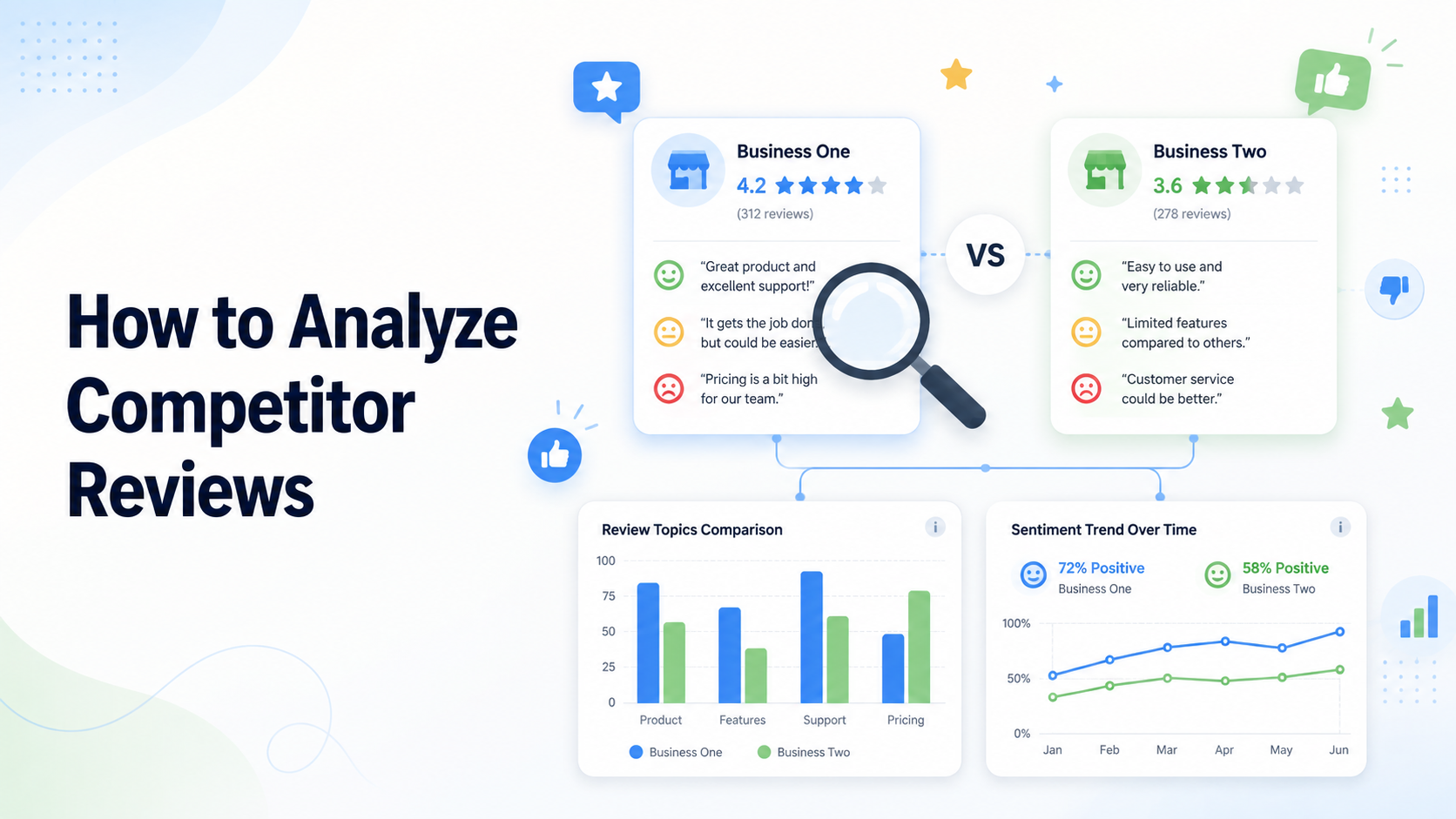
Here’s the layer of the stack that decides whether the leads you do generate actually become clients. Calendaring keeps you out of malpractice trouble. Intake captures the leads who reach you. But before a potential client ever fills out an intake form, they Google your name. They check your Google rating, your Avvo profile, your Lawyers.com listing. And if your reviews are thin, old, or non-existent, most of them never become leads in the first place.
Reviews are the silent conversion lever for law firms. They affect three things at once: where you show up in Google’s local map pack, whether the prospect who finds you decides to call, and what they pay attention to when they read your bio. Firms with 50+ recent Google reviews and 4.7+ average ratings consistently outperform competitors with the same case results but weaker review profiles.
The reason isn’t that clients are unhappy. It’s that asking for reviews in a law firm context is awkward, easy to forget, and full of ethical questions most attorneys don’t have time to sort through. Bar advertising rules vary by state. Solicitation rules complicate the ask. And after a case settles or a matter closes, the attorney’s focus moves to the next case, not to following up with the previous client.
So the ask happens manually, inconsistently, or not at all. The firm ends up with eight Google reviews from three years ago and a competitor down the street has eighty from the last twelve months.
Review management software fixes this by automating the ask — triggered by case closure or matter completion, with neutral language that complies with most state bar rules, sent via SMS or email at the right moment after the case wraps. Most firms that systematize this end up with 15 to 40 new reviews in the first 60 days, almost entirely from satisfied clients who would have left a review if asked but never were.
Full disclosure: this is our tool. TrueReview was built for businesses that depend on Google, Avvo, Lawyers.com, and Facebook reviews — and law firms are one of our largest customer segments. The platform sends review requests via SMS and email after every case closes, routes happy clients to the legal review sites that matter for your practice, and includes a private feedback channel for clients whose experience was less than five-star.
For law firms specifically, the neutral asking language is designed to comply with most state bar rules on solicitation. Integrations with Clio, MyCase, PracticePanther, and Filevine via Zapier mean review requests fire automatically when a case is marked closed — no manual triggering, no forgotten asks, no awkward conversations. Pricing starts at $49/month with a 14-day free trial, and the platform handles multi-attorney and multi-location firms out of the box.
What real law firms say:
Each layer alone is useful. The three of them connected is what separates the firms that scale from the firms that stay stuck at the same volume year after year.
A connected workflow looks like this:
The compounding effect: each closed case makes the next one easier to win. The firms that hit 100+ Google reviews in their first 18 months in a market almost always built this loop deliberately. The firms stuck at 11 reviews after five years are doing each ask manually — or not at all.
Wiring these layers together is the part that pays off long after setup. If you want the full playbook, read our guide on how to automate your law firm.
Most solo and small firms get one of these three layers right and the other two limp along. The fastest gain isn’t usually picking better calendaring software — most modern tools are fine. It’s picking the layer that’s quietly costing you cases and fixing that one first.
For most firms, that layer is reviews. Calendaring tools work invisibly in the background. Intake either captures the lead or doesn’t. But reviews are visible to every prospect, every day, before they ever pick up the phone — and the math on review profiles compounds month after month in a way calendaring and intake don’t.
A note on bar rules: state bar advertising and solicitation rules vary significantly. Most state bars allow attorneys to request reviews from clients as long as no compensation is offered and the ask isn’t directed only at clients expected to leave positive reviews. Some states (notably Florida, New York, and Texas) have additional specific requirements. Check your state bar’s rules before deploying any automated review request system. TrueReview’s default templates are designed for general compliance, but the firm is responsible for confirming fit with the rules in their jurisdiction.

See how TrueReview works for law firms — automatic review requests after every case closes, routed to Google, Avvo, and Lawyers.com. Integrates with Clio, MyCase, PracticePanther, and Filevine via Zapier. Neutral asking language built for bar-rule compliance. Pricing starts at $49/month with a 14-day free trial.