Law firm marketing is how a firm attracts and converts clients — a mix of a strong website, local SEO, an active Google Business Profile, content, referrals, paid ads, and, underpinning all of it, a steady stream of genuine client reviews that builds the trust legal clients need before they call.
Marketing a law firm isn't fundamentally different from marketing any local service business, with one twist: trust is everything, and the ethics rules constrain how you build it. The 25 strategies below run from foundational (website, local SEO, reviews) to growth (content, ads, referrals). They work together — reviews and reputation sit at the center, because they're what turn visibility into signed clients. Everything here should be run within ABA Rule 7.1 and your state bar's advertising rules.
Most law firms are excellent at practicing law and uneven at marketing it. That's an opportunity: in many local markets, the firm that wins isn't the best lawyer — it's the one a prospective client can find, trust, and easily contact. Effective law firm marketing is about building that path. Below are 25 strategies, grouped from the foundations every firm needs to the growth tactics that compound over time. A theme runs through all of them: reviews and reputation are the trust layer that makes the rest convert.
Foundation: get the basics right
- Build a professional, fast website. It's your firm's storefront. It should load quickly, work on mobile, state your practice areas clearly, and make contacting you effortless.
- Define your practice-area focus. Generalist messaging converts poorly. Clear positioning ("personal injury," "immigration," "family law") helps the right clients self-identify.
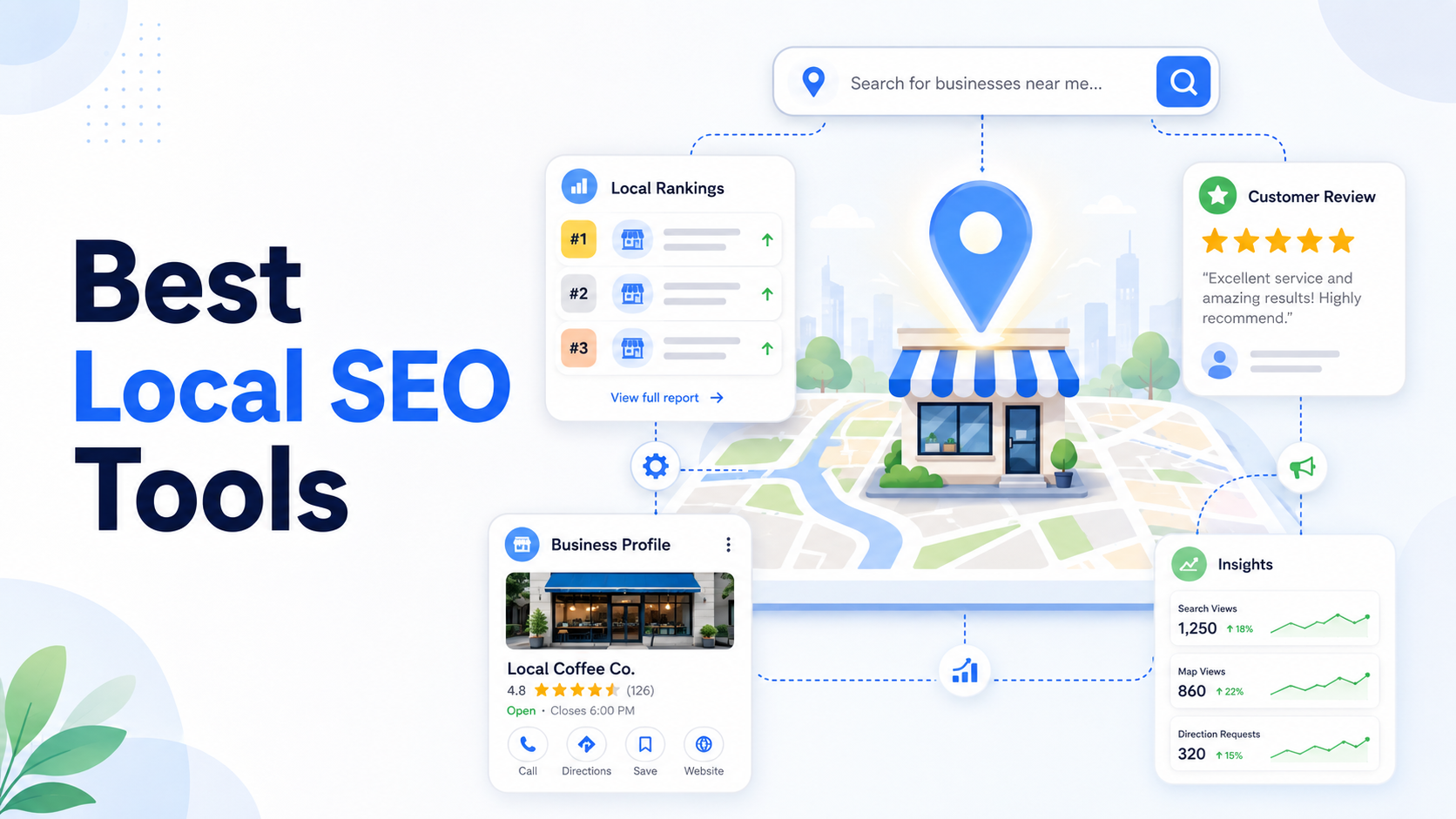
- Claim and optimize your Google Business Profile. For local firms this is among the highest-ROI assets you own. Complete every field, choose accurate categories, and add photos.
- Get your contact path frictionless. Click-to-call, a short intake form, and visible hours. Every extra step loses anxious prospects.
- Set up call tracking and basic analytics. You can't improve what you don't measure. Know where calls and form fills come from.
Reviews and reputation: the trust engine
This cluster deserves its own section because for law firms it's the difference-maker. Legal clients are risk-averse, and reviews are the closest thing to a preview of working with you.
- Run a steady review-request program. Ask every appropriate client for an honest review at matter close-out. Volume and recency drive both ranking and trust.
- Make leaving a review one click. Send a direct link to your Google review page; don't make clients hunt for it.
- Respond to every review, carefully. Thank positive reviewers; respond to negative ones professionally and without revealing confidential information.
- Showcase reviews on your site. Embed a review widget so the social proof is visible where prospects decide. Keep testimonials compliant with Rule 7.1 (no implied guarantees).
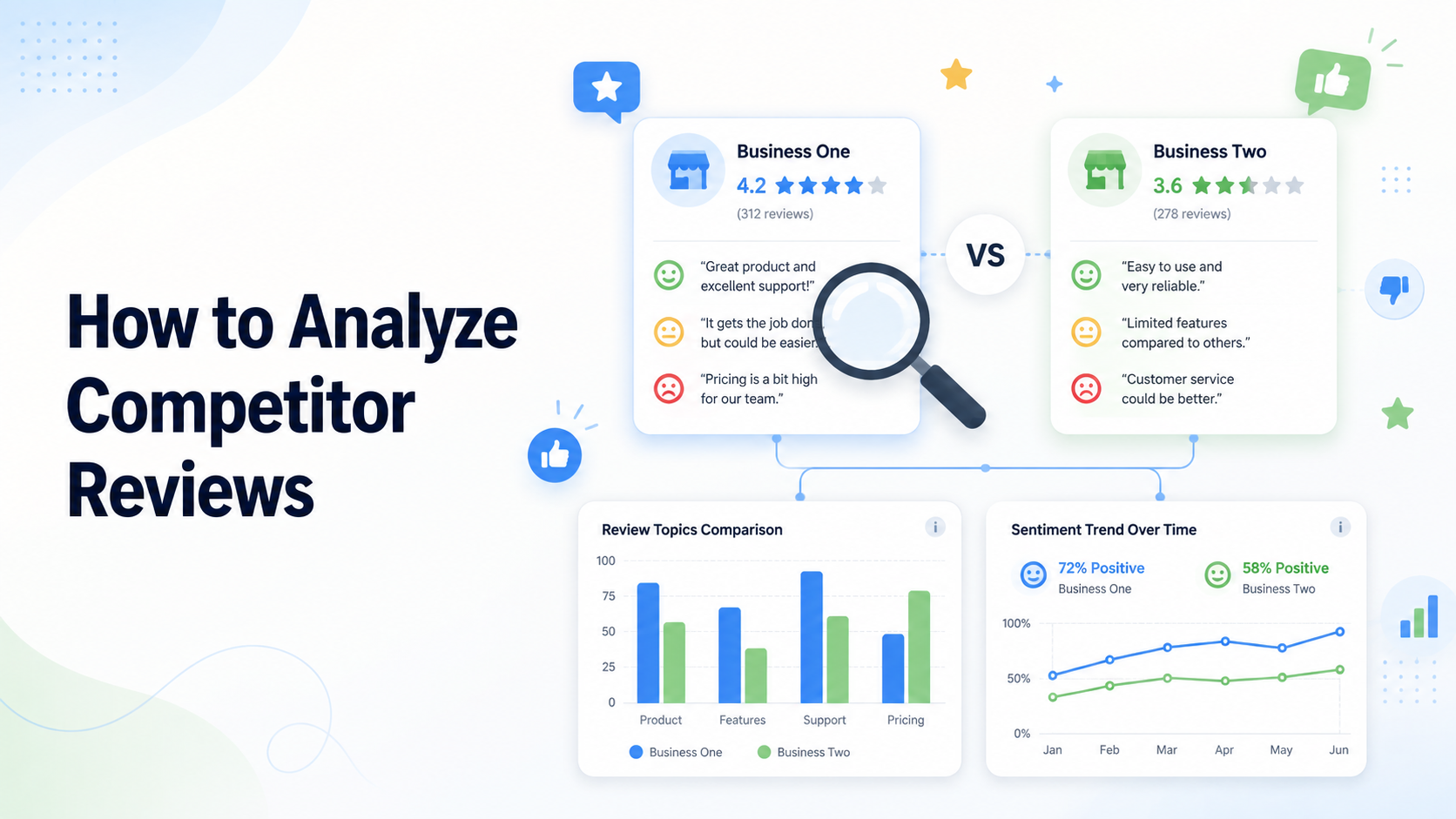
- Monitor your reputation across platforms. Watch Google, Avvo, and Martindale so nothing festers unanswered.
Local SEO: get found in the map pack
- Target local keywords. "[practice area] lawyer [city]" is how clients search. Build pages around the practice areas and locations you serve.
- Win the local pack. Reviews, profile completeness, and proximity drive the map results. Reviews are a lever you directly control.
- Build location and practice-area pages. A dedicated page per service per city, each genuinely useful, captures targeted searches.
- Get listed in legal directories. Avvo, Martindale-Hubbell, Justia, and your state bar directory build authority and referral traffic.
- Earn local links and citations. Consistent name/address/phone across the web, plus links from local organizations, reinforce local ranking.
Content and authority
- Publish practice-area guides. Answer the questions clients actually ask. Useful content earns search traffic and demonstrates expertise.
- Maintain a blog or resource library. Evergreen explainers ("what to do after a car accident") attract prospects early in their journey.
- Use FAQs. They match how people search and can earn featured placement.
- Share client outcomes carefully. Case results can be powerful but must follow bar rules on testimonials and avoid implying guaranteed results.
Referrals, relationships, and paid growth
- Cultivate referral relationships. Other attorneys, past clients, and local professionals send some of your best matters. Make it easy to refer you.
- Stay top-of-mind with past clients. A periodic newsletter keeps you the obvious choice for repeat needs and referrals.
- Be active on the right social channels. LinkedIn for professional referrals; a maintained presence signals a current, real firm.
- Run targeted Google Ads. For high-intent terms, paid search puts you at the top while your organic ranking builds. Keep ad copy compliant.
- Use retargeting thoughtfully. Many prospects research several firms; staying visible helps you stay in the consideration set.
- Track, test, and reinvest. Double down on the channels that produce signed clients, and cut what doesn't.

Reviews turn marketing into signed clients
You can drive all the traffic in the world, but legal clients hire on trust. TrueReview automates honest review requests by text and email after a matter closes, so your firm builds the steady, recent reviews that make every other marketing channel convert better. Start a free 14-day trial.
The bottom line
Law firm marketing is a system, not a single tactic: a strong website and Google Business Profile make you findable, local SEO and content put you in front of searching clients, referrals and ads accelerate growth — and reviews and reputation are the trust layer that converts all of it into signed matters. Start with the foundations, build a consistent review program, and layer on growth tactics as you go. Run everything within ABA Rule 7.1 and your state's bar rules, and the firm that markets deliberately will out-compete the better lawyer who doesn't.
FAQ
Common questions about law firm marketing.
What is the most effective marketing strategy for a law firm?
+
There's no single tactic — the most effective approach is a system: a strong website and optimized Google Business Profile to be found, local SEO and useful content to attract searching clients, and a steady review program to build the trust that converts them. For most local firms, reviews and local search deliver the highest return because legal clients hire on trust and search locally. Referrals and targeted ads accelerate from there.
How do law firms get more clients online?
+
By making the firm easy to find, easy to trust, and easy to contact. That means ranking in local search for practice-area terms, maintaining a complete Google Business Profile, publishing helpful practice-area content, and building a steady flow of genuine client reviews. Reviews are especially important because anxious legal clients rely on them as social proof before they ever call. A frictionless contact path (click-to-call, short intake form) converts that interest.
Is law firm marketing different because of ethics rules?
+
Yes. Attorney marketing must follow ABA Model Rule 7.1, which prohibits false or misleading communications, plus your state bar's advertising rules, which vary and may require disclaimers on testimonials or restrict comparative claims. Confidentiality also limits how you can respond to reviews. None of this prevents effective marketing — you can build a strong website, run a review program, and advertise — but it shapes how you do each, especially around testimonials and case results.
How important are reviews for law firm marketing?
+
Very. Legal clients are risk-averse and rely heavily on reviews as a preview of working with you, and review volume, rating, and recency strongly influence Google's local map rankings. Because many firms neglect reviews, even a modest, consistent review program can move you ahead of competitors. Reviews function as the trust layer that makes every other marketing channel — SEO, ads, referrals — convert better.
How much should a law firm spend on marketing?
+
It varies widely by practice area, market, and growth goals, so there's no universal figure. A common approach is to start with high-ROI, low-cost foundations (Google Business Profile, a review program, local SEO), measure which channels actually produce signed clients, and reinvest in what works before scaling paid advertising. The key is tracking cost per signed matter by channel rather than spending on visibility that doesn't convert.