When someone hears bad things about a business, the first thing they do is search for it. What Google shows them on that first page — the reviews, the news, the old forum thread, the competitor’s comparison post — becomes their impression before they’ve spoken to anyone. SEO reputation management is the practice of shaping those search results so the story they find is accurate and fair, not dominated by a single angry outlier.
This guide explains what SEO reputation management is, how it differs from ordinary SEO, the tactics that actually move search results, and where reviews fit into the picture. It’s written for local businesses that live and die by what shows up when their name is typed into a search box.
SEO reputation management is using search-engine optimization tactics to influence what appears when people search your business name — pushing accurate, positive results up and unwanted ones down.
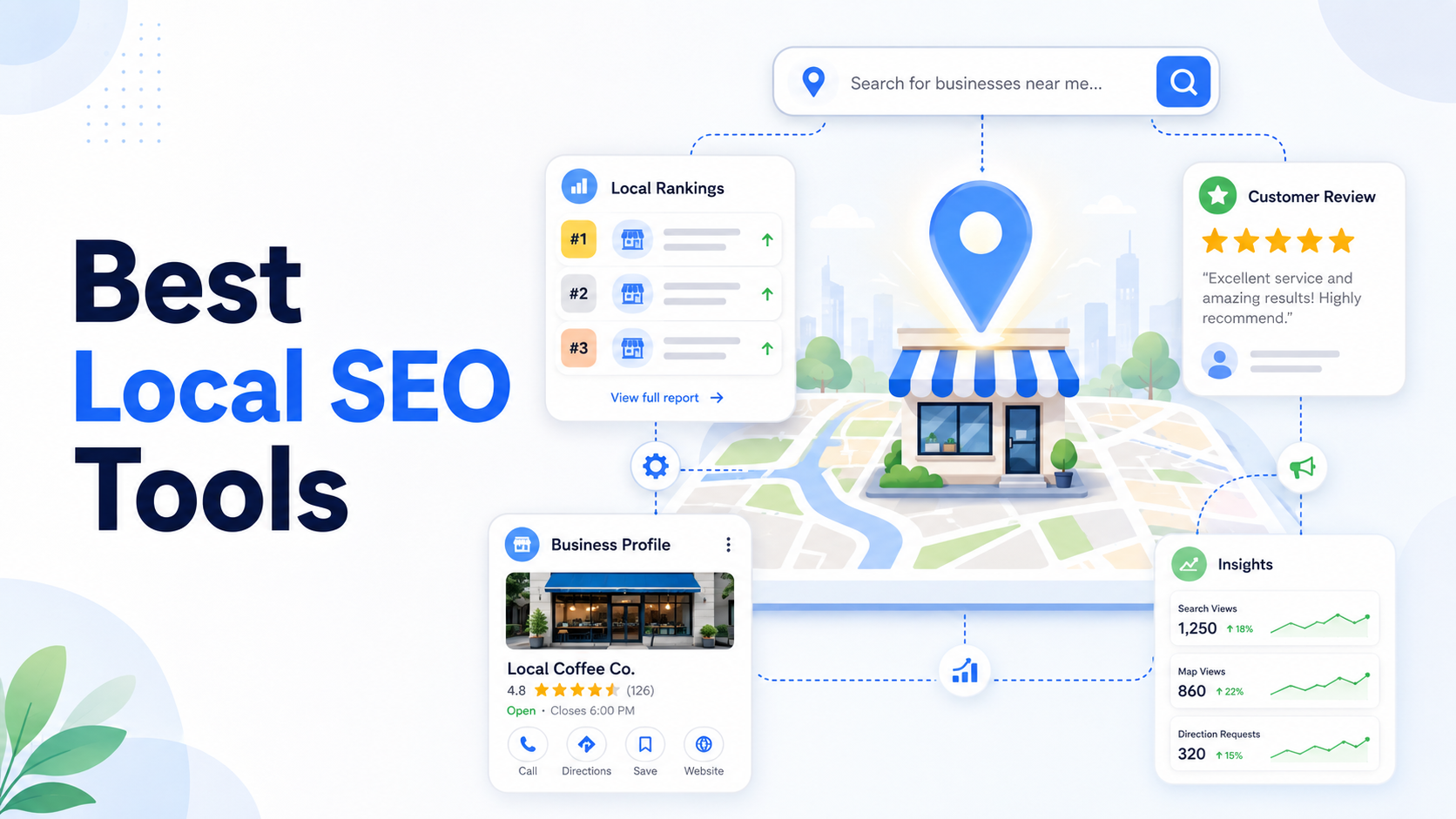
Ordinary SEO tries to rank your site for what you sell (‘plumber near me’). Reputation-focused SEO targets searches for you — your business name, ‘[business] reviews,’ ‘[business] complaints.’ The goal is to own that first page with assets you control: your website, your Google Business Profile, your reviews, and positive third-party coverage, so a single negative result can’t define you. A steady flow of recent, genuine reviews is one of the strongest signals in that mix.
What SEO Reputation Management Actually Is
SEO reputation management sits at the intersection of two disciplines. From SEO, it borrows the mechanics of ranking — content, links, technical signals, and relevance. From reputation management, it borrows the goal — making sure the impression people form of you is fair. Put together, it’s the work of curating your branded search results: the page that appears when someone Googles your company by name.
That branded results page is high-stakes real estate. Someone searching your name is usually far down the buying journey — comparing you to one competitor, or double-checking you before they call. If the top results are your polished site, a strong review profile, and a well-maintained Google Business Profile, you convert. If the top result is a two-year-old complaint, you lose the customer before you ever knew they existed.
It’s worth being clear about what this is not. SEO reputation management is not hiding the truth or burying legitimate criticism through manipulation. Attempting to game search results with fake content or deceptive tactics tends to backfire and can violate platform policies. The durable version of this work is earning better results, not faking them.
How It Differs From Regular SEO
The difference comes down to what you’re optimizing for and who’s searching.
Regular SEO
Targets category and problem searches — ‘emergency dentist Miami,’ ‘roof repair cost.’ The searcher doesn’t know you yet; you’re competing to be discovered.
Reputation SEO
Targets branded searches — your name, ‘[name] reviews,’ ‘is [name] legit.’ The searcher already knows you; you’re competing to control the narrative they find.
Why both matter
Regular SEO brings new people in. Reputation SEO makes sure that when they check you out — and they will — what they find closes the deal instead of scaring them off.
Most businesses pour effort into the first and ignore the second, which is backwards. You can rank beautifully for ‘best HVAC company’ and still lose every lead who then searches your name and hits a wall of unanswered one-star reviews.
The Tactics That Actually Move Branded Results
Owning your first page is a game of occupying slots with assets you control or influence. Here’s where the effort pays off, roughly in order of impact for a local business.
1
Claim and optimize every profile you own
Your website, Google Business Profile, and major directory listings are the slots you fully control. A complete, active, keyword-relevant presence across them — consistent name, address, and phone everywhere — locks up the top of your branded results. This overlaps directly with
business listings management.
2
Build a steady flow of genuine reviews
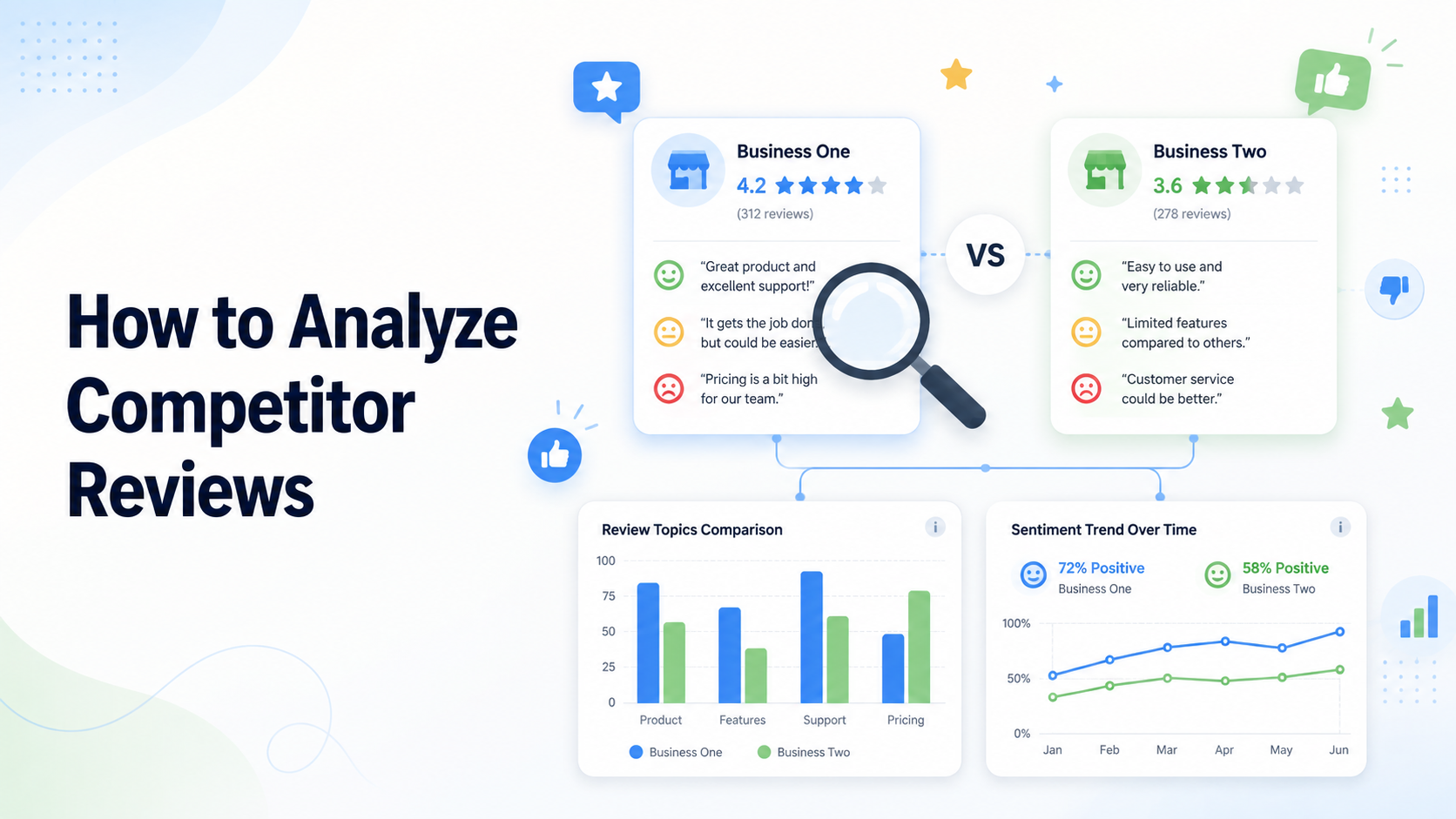
Reviews are both a ranking signal and the thing people are searching for. A business with 200 recent four- and five-star reviews outranks and out-converts one with a dozen stale ones. Volume, recency, and rating all feed the picture Google assembles about you.
3
Respond to reviews — especially the bad ones
A calm, professional reply to a negative review changes what the reader takes away, and response activity signals an engaged, legitimate business. See
how to respond to reviews for the mechanics.
4
Publish content on your own domain
Blog posts, service pages, and location pages give Google more of your owned results to rank for branded and related searches — crowding the first page with pages you wrote. Your
Google Business Profile and site should reinforce each other.
5
Earn positive third-party coverage
Legitimate press, partner mentions, and profiles on reputable industry sites give you additional first-page results that aren’t self-published, which carry extra credibility with searchers.
Why Reviews Are the Engine of Reputation SEO
Of all these tactics, reviews do the most work per unit of effort, because they hit both sides of the equation at once. They’re a documented factor in local search prominence, so more good reviews help you rank. And they’re the single most-searched reputation query — people literally type ‘[business] reviews’ — so a strong review profile directly answers the thing they came to find. We cover the ranking side in depth in do reviews help SEO.
The catch is that reviews only work as a reputation asset if they arrive consistently and stay recent. A burst of reviews from two years ago does little; a steady monthly flow signals an active, trusted business and keeps your rating current. That consistency is nearly impossible to sustain by asking manually, which is where automation earns its place.

Turn reviews into a first-page asset
TrueReview sends compliant SMS and email review requests automatically after every job, so a steady stream of recent reviews keeps building the review profile that dominates your branded search results. A credit card is required to start, and the 14-day free trial includes full automation. Start your trial or see the automated review requests feature.
The Compliance Line You Can’t Cross
Reputation SEO tempts people toward shortcuts, and the most common one is review gating — selectively asking happy customers for reviews while routing unhappy ones to a private feedback form. It’s understandable, and it violates Google’s policies. The right approach is to ask every customer the same neutral way and let the reviews fall where they may; a genuinely good business earns a genuinely good profile. We break this down in what is review gating.
The same honesty principle applies to the rest of your search results. Fake positive content, purchased reviews, and manipulative link schemes are the fast lane to a manual penalty or a suspended listing. Sustainable reputation SEO is slower and boring by comparison — earn the reviews, publish real content, respond like a human — and it’s the only version that holds up.
Where to Start
If you do nothing else, start with the two highest-leverage moves: fully claim and optimize the profiles you own, and get a consistent review engine running. Those two alone reshape most branded search results, because they put your best assets in the slots people see first. From there, layer in content and response habits over time. For the broader picture beyond search, see what is reputation management and online reputation monitoring.
Frequently Asked Questions
The most common questions about SEO reputation management.
What is SEO reputation management?
+
SEO reputation management is the practice of using search-engine optimization tactics to influence what appears when people search for your business by name. Instead of ranking for what you sell, it focuses on owning your branded search results — your website, Google Business Profile, reviews, and positive third-party coverage — so that a single negative result can’t dominate the impression people form of you.
How is it different from normal SEO?
+
Normal SEO targets category and problem searches from people who don’t know you yet, like ‘plumber near me.’ Reputation SEO targets branded searches from people who already know you and are checking you out — your name, ‘[name] reviews,’ ‘is [name] legit.’ One brings people in; the other makes sure what they find when they verify you closes the deal.
Do reviews help with SEO?
+
Yes. Reviews are a documented factor in local search prominence, so more recent, genuine reviews can help you rank. They’re also the most common reputation search people run, so a strong review profile directly answers what searchers are looking for. Recency and consistency matter as much as volume — a steady flow signals an active, trusted business.
Can I remove negative search results?
+
Sometimes, but often not directly. The durable approach is to push accurate, positive results up rather than trying to erase the negative one — by occupying your first page with assets you control and earning genuine reviews and coverage. Attempting to hide legitimate criticism through fake content or manipulation tends to backfire and can violate platform policies.
Is it against Google’s rules to manage my reputation this way?
+
Earning better results is fine and encouraged. What crosses the line is manipulation — buying reviews, review gating (asking only happy customers), or planting fake content. Those can trigger penalties or listing suspension. Sustainable reputation SEO means asking every customer neutrally, publishing real content, and responding genuinely.