BLOG POST
Roofing is one of the most competitive local verticals on the internet. In any given metro, dozens of roofers are bidding on the same Google Ads keywords, fighting for the same Local Pack rankings, and chasing the same storm-damaged homeowners. The marketing playbook that worked for a roofing company in 2015 — a basic website plus Yellow Pages plus word of mouth — barely produces a trickle of leads in 2026. Roofing has a wider review-ask window than most service industries — the customer evaluates the work over days, not hours. The pattern that works: send the SMS 24-48 hours after the customer has had a chance to see the finished roof in good light. SMS at that timing converts at 3-5 times the rate of email. For the full strategy on how to request reviews with SMS — industry-specific timing patterns, message templates, and the two-message sequence that maximizes capture without becoming spam — see our complete guide.
This guide covers what actually works for roofers right now: which channels matter, how to set them up, and the foundational steps that pay back over years.
Most roofing marketing articles list 20+ tactics with no priority. The reality is simpler: five channels drive the vast majority of leads for residential roofers. Here's how they rank.

Your website is the conversion point for every other marketing channel. Get it right and every other dollar works harder. Get it wrong and you're paying to send leads somewhere they bounce off.
Speed and mobile first. Most roofing traffic is mobile — a homeowner standing in their driveway looking at a damaged shingle. A page that takes more than 3 seconds to load on a phone loses 40% of visitors before they ever see the content. Test yours with Google's PageSpeed Insights and Mobile-Friendly Test. If either flags issues, fix them before you spend another dollar on ads.
Show your work. Photo galleries of completed roofs — before and after, day and night, residential and commercial — do more for conversion than any amount of marketing copy. Drone shots are especially powerful for roofing; they let homeowners see what their roof looks like from above. Include video testimonials from past customers when you have them.
One obvious CTA per page. "Get a Free Inspection" beats "Click Here" every time. Make it big, make it visible above the fold, and make it work on mobile (tap-to-call phone numbers, short forms, no scrolling required to find it).
Address common homeowner concerns directly. What does a new roof cost? How long does it take? Do you handle the insurance claim? What warranty do you offer? Answering these on your website saves your sales team hours of phone time and converts skeptics earlier in the process.
Service area pages. If you serve five cities or neighborhoods, build one dedicated page per area with local keywords, local photos, and local reviews. These pages dramatically outperform a single generic "service area" list for local SEO.
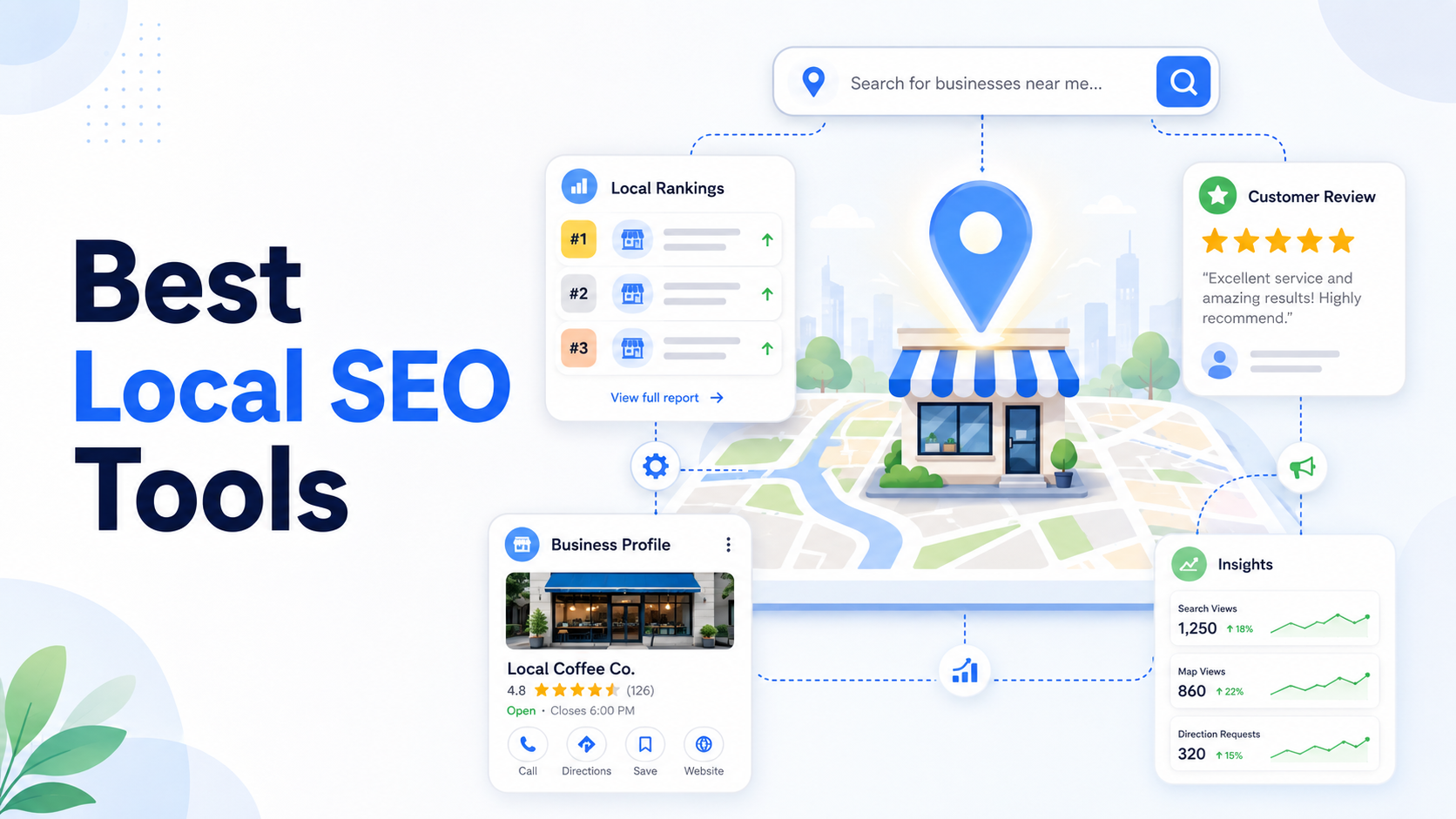
For roofing, "local SEO" mostly means "ranking in the Local Pack" — the map and top 3 results that appear when someone searches "roofer near me." Three things drive that ranking.
A complete, accurate Google Business Profile. Claim it. Fill in every field. Real business address (not a UPS box). Service area defined precisely. Categories set to "Roofing Contractor" plus any specialties (metal roofing, flat roofing, etc.). Hours, phone, website all current. Upload photos — lots of them, refreshed monthly with new job-site shots. Over 75% of consumers use Google to find local businesses, so this is non-negotiable.
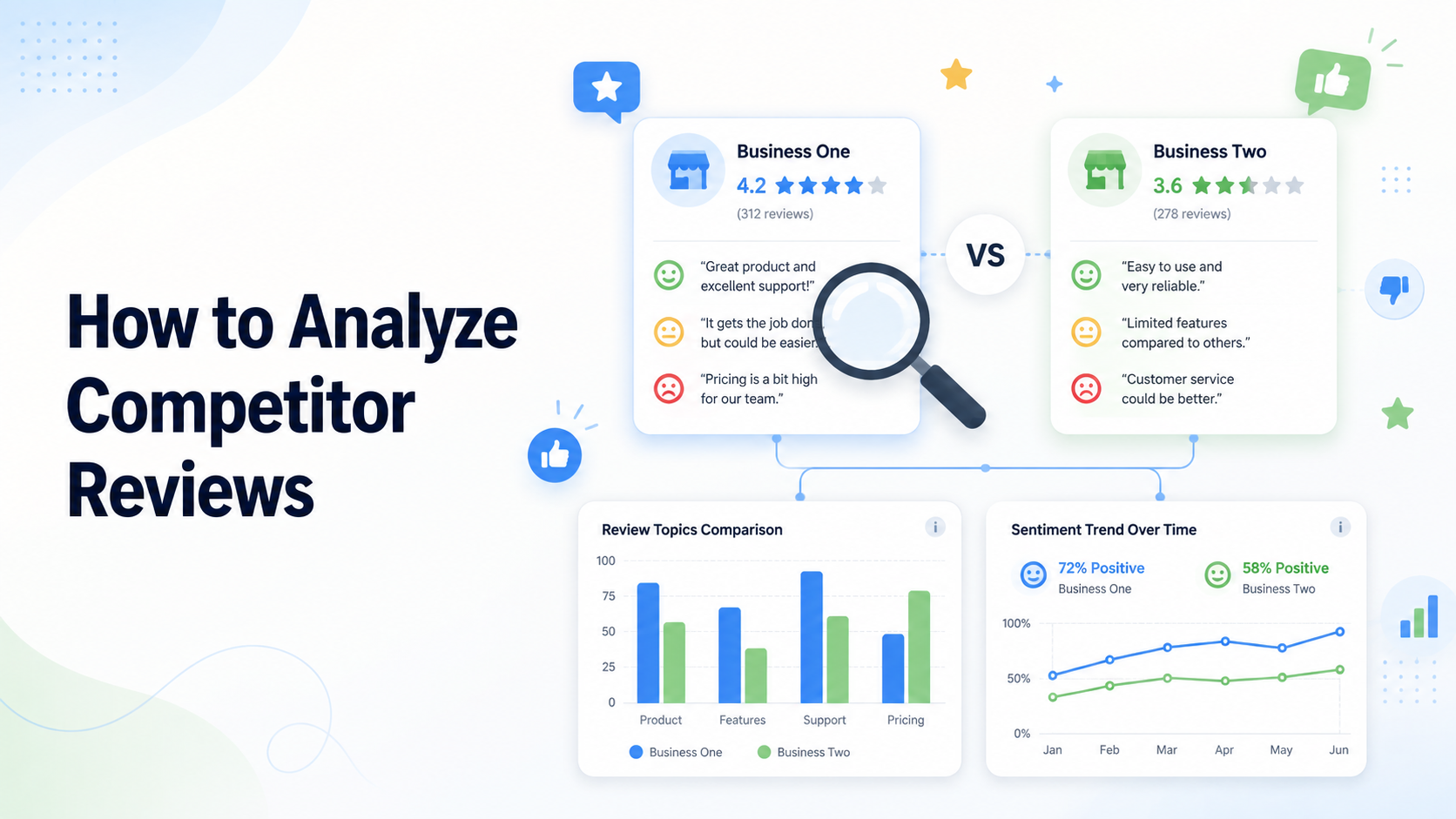
Reviews, fresh and steady. Google's Local Pack algorithm weighs review quantity, recency, and rating heavily. A roofer with 80 reviews from the last 12 months will outrank one with 200 reviews from five years ago. The system that consistently produces fresh reviews is automation — an SMS or email request goes out the day after every completed job, asking for an honest Google review. Most roofers leave 50-80% of potential reviews uncollected because they only ask in person; automation closes that gap. Other outdoor trades use comparable tactics — see how lawn care and landscaping companies get more google reviews.
A roofer-specific SMS template that consistently converts:
Local citations and directory consistency. Your business name, address, and phone number (NAP) need to be identical across every directory listing — Google, Yelp, BBB, Angi, HomeAdvisor, your local chamber of commerce. Inconsistent NAP signals confuse Google and can hurt rankings. Tools like BrightLocal or Moz Local audit this in one pass.

TrueReview sends compliant SMS and email review requests automatically after every completed job. Built-in segmentation routes unhappy customers to a private feedback channel before they post publicly, and AI reply suggestions help you respond to every review in seconds. Setup takes about 15 minutes. Start a free 14-day trial.
Social media is supporting infrastructure for roofers — useful, but not where you'll find your next ten jobs. Treat it as a credibility signal: prospects who Google your company will look at your social profiles, and an empty or dormant feed reads as a red flag.
Facebook is the highest-leverage platform. The age demographic for residential roofing — homeowners in their 30s-60s — skews heavily Facebook. Post job-site photos a few times a week, drone shots of completed roofs, before-and-after pairs, customer testimonials, and storm-response updates when relevant. The hometown-pride angle works well: "Another beautiful roof completed in [neighborhood] this week!" with a photo.
Instagram for visual proof. Roofing is inherently visual, and Instagram is the natural home for the best photos and short video clips. Drone shots, time-lapse installs, satisfying tear-off-to-completion sequences. Use local hashtags and tag the neighborhood when posting completed jobs.
YouTube for trust at the consideration stage. When a homeowner is deciding between three roofers, watching a 3-minute video of your team walking through a recent install can be the deciding factor. Tutorial-style content (how to spot hail damage, what to do after a storm, how the insurance claim process works) also doubles as SEO content.
The 80/20 rule applies: 80% of social content should be helpful, visual, or community-focused; 20% should be promotional. Feeds that flip the ratio underperform.

Content marketing for roofers isn't about churning out blog posts. It's about creating the handful of resources that genuinely answer the questions homeowners ask before, during, and after a roofing project.

Email is the most under-utilized channel in roofing marketing. Most roofers ignore their past-customer list entirely, then spend thousands on Google Ads to acquire strangers when their existing customer base is sitting on referrals.
Build the list deliberately. Every customer who's had work done. Every estimate request that didn't close. Every lead magnet download. Every storm-response inquiry. By year two, a roofing company should have an email list in the thousands — assuming they've been collecting it.
Send seasonal maintenance reminders. Spring: "Time to inspect your roof after winter." Fall: "Get ahead of the snow with a free inspection." These re-engage past customers, often turning into repair jobs or referrals.
Personalize what you can. First name, the type of roof installed, the year of installation, the warranty status. A 5-year warranty check-in email feels like service; a generic blast feels like spam.
Ask for referrals systematically. The single highest-ROI email a roofer can send is the "thank you again for trusting us — if you know anyone else who needs a roof, here's a $200 referral bonus" message at 30 days post-install. Roofing has one of the highest referral rates of any local trade when the ask is structured.
Five things to focus on, in order:
The roofers who consistently outperform competitors aren't the ones running the most channels. They're the ones who execute the basics — Google Business Profile, reviews, LSAs, storm readiness, physical signage — with discipline year after year. The compounding effect is enormous.
Google Business Profile rankings, LSA visibility, and homeowner trust all depend on a steady stream of fresh reviews. TrueReview automates compliant SMS and email review requests after every completed roof, with customer segmentation that protects you from negative public reviews. Start a free 14-day trial — setup takes 15 minutes.