A brand is a promise, and a reputation is the running tally of whether you’ve kept it. Brand reputation management is the work of keeping that tally positive — monitoring what people say about your business, responding when it matters, and consistently earning the trust that turns a name into a brand people choose without thinking twice.
This guide covers what brand reputation management means, why it matters even for a single-location local business, the components that make up a real program, and how reviews anchor the whole thing. Whether you call it brand or corporate reputation management, the mechanics are the same — the scale just changes.
Brand reputation management is the ongoing practice of monitoring, protecting, and improving how people perceive your business — across reviews, search results, social media, and word of mouth.
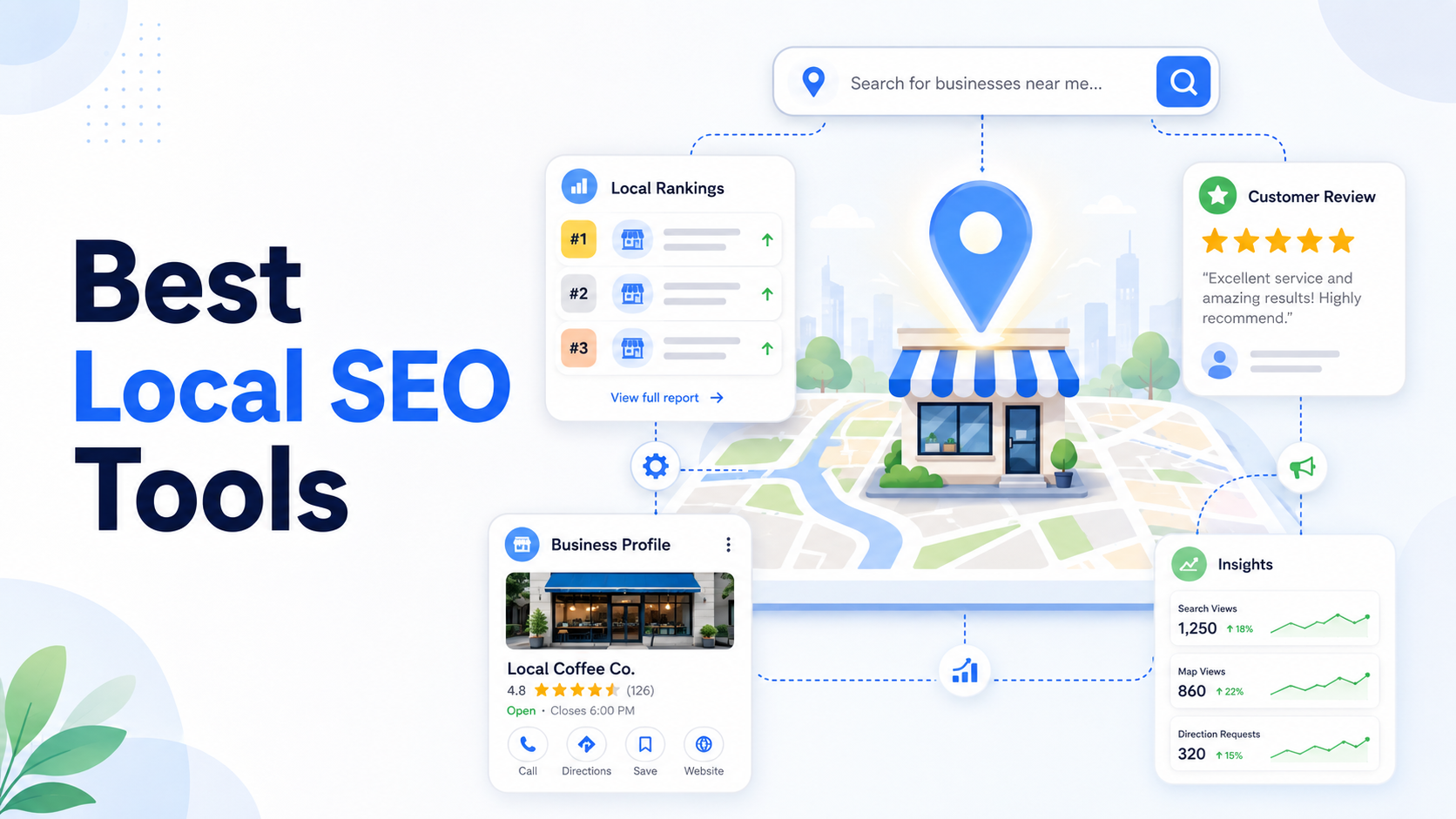
It’s broader than handling reviews, though reviews are the core. A brand reputation program watches what’s said about you everywhere it matters, responds to feedback in a way that reinforces trust, and builds a steady base of positive signals so that one bad moment doesn’t define you. For most businesses the highest-leverage piece is a consistent flow of genuine reviews, which shapes both search results and first impressions at once.
What Brand Reputation Management Means
Every business has a reputation whether it manages one or not — it’s just the sum of every impression people have formed. Brand reputation management is the decision to shape that sum deliberately instead of leaving it to chance. It means knowing what customers say in reviews, what appears when someone searches your name, what shows up on social media, and how consistently the experience you deliver matches the promise your brand makes.
The phrase scales up and down. A national chain calls it corporate reputation management and staffs a team around it. A three-location dental group or a single restaurant calls it brand reputation management and folds it into marketing. The underlying job is identical: protect trust, respond to what people say, and keep earning proof that you’re worth choosing. See what is reputation management for the foundational version of this.
Why It Matters More Than It Used To
Reputation used to travel slowly, by word of mouth. Now it travels at the speed of a search result. Before someone chooses you, they check — reviews, ratings, the first page of Google — and they decide in seconds based on what they find. That shift is why brand reputation management moved from a nice-to-have to a core operating function.
Trust converts
People choose businesses they trust, and a strong, current review profile is the fastest proof of trust a stranger can find. A weak one sends them to a competitor before you get a chance.
One bad result travels
A single unaddressed complaint near the top of your search results can outweigh dozens of quiet happy customers. Managing your brand means those happy customers actually show up.
Reputation compounds
Every genuine review, every professional response, every consistent experience adds to a base that makes you more resilient the next time something goes wrong.
The Components of a Real Program
Brand reputation management isn’t one task — it’s a small set of habits running continuously. Here’s what a working program actually includes.
1
Monitoring
You can’t manage what you don’t see. Watching reviews, search results, and social mentions as they appear is the foundation — it turns reputation from something that happens to you into something you can respond to. See
online reputation monitoring.
2
Review generation
A steady, growing base of genuine reviews is the single strongest reputation asset you have. It shapes your rating, feeds local search, and gives new customers the proof they’re looking for. This is where consistency beats intensity.
3
Response and engagement
Replying to reviews — positive and negative — signals an engaged, legitimate business and changes what future readers take away. A calm reply to criticism often does more for your brand than the complaint did against it. See
how to respond to reviews.
4
Search-result curation
Owning your branded search results with your own site, profiles, and reviews keeps the first impression in your control. This is the SEO side of the work, covered in
do reviews help SEO.
5
Recovery when needed
When something does go wrong, a deliberate recovery — addressing the issue, rebuilding the review flow — limits the damage. See
online reputation repair.
Why Reviews Anchor the Whole Thing
Of every component above, review generation does the most work, because reviews are simultaneously a trust signal, a search-ranking factor, and the exact thing people look for when they check you out. A brand with a deep, recent, well-rated review base has a reputation that largely manages itself — the proof is right there when anyone looks. A brand without one is perpetually vulnerable to whatever single result happens to rank.
The hard part is consistency. Reviews decay in relevance; a great rating built two years ago does little for the customer deciding today. Sustaining a steady monthly inflow signals an active, trusted brand and keeps your profile current. Doing that by remembering to ask each customer by hand rarely works at any real volume, which is why automation is the practical backbone of brand reputation management.

Build a review base your brand can rely on
TrueReview automatically sends compliant SMS and email review requests after every customer interaction, so your brand keeps earning the recent, genuine reviews that anchor trust and search visibility. A credit card is required to start, and the 14-day free trial includes full automation. Start your trial or explore the automated review requests feature.
The Compliance Layer Brands Overlook
As a brand grows, its review practices come under more scrutiny, not less — and shortcuts that a tiny business might get away with become real liabilities at scale. The big one is review gating: asking only satisfied customers for reviews while diverting unhappy ones elsewhere. It violates Google’s policies and undermines the authenticity that makes reviews valuable in the first place. Ask everyone neutrally. See what is review gating.
The same goes for the messages themselves. Review requests sent by text carry consent and opt-out obligations, and a brand sending at volume needs those handled correctly every time. Building compliance into the review engine — neutral requests, managed opt-outs, minimal customer data — keeps a growing brand’s reputation program from becoming a growing brand’s legal problem.
Getting Started
Start by seeing clearly — set up monitoring so you know what’s being said — and by turning on a consistent review engine so your best customers actually show up in your brand’s results. Those two moves reshape most of what a searcher finds. Layer in response habits and search curation over time. For industry-specific angles, see the healthcare, automotive, and local business guides.
Frequently Asked Questions
The most common questions about brand reputation management.
What is brand reputation management?
+
Brand reputation management is the ongoing practice of monitoring, protecting, and improving how people perceive your business across reviews, search results, social media, and word of mouth. It’s broader than handling reviews alone, but reviews are the core — a steady base of genuine ones shapes both your search visibility and the first impression new customers form.
Is brand reputation management the same as corporate reputation management?
+
Largely, yes — the difference is scale and language. Large organizations tend to say corporate reputation management and build teams around it; smaller and local businesses say brand reputation management and fold it into marketing. The underlying job is identical: protect trust, respond to feedback, and keep earning proof that you’re worth choosing.
Does a small local business really need this?
+
Yes, arguably more than a large one. A local business lives or dies by what shows up when someone searches its name, and it has less margin to absorb a bad result. A consistent review program and basic monitoring give a small business outsized protection for very little ongoing effort.
What’s the most important part of a brand reputation program?
+
Review generation, for most businesses. Reviews are a trust signal, a local-search ranking factor, and the exact thing people look for when checking you out — so a deep, recent, well-rated review base does more work per unit of effort than any other component. The challenge is sustaining a consistent flow, which is why many brands automate it.
How do I protect my brand’s reputation the right way?
+
Earn it honestly. Ask every customer for a review the same neutral way, respond to feedback professionally, keep your profiles and search results accurate, and monitor what’s said so nothing festers. Avoid shortcuts like review gating or buying reviews — they violate platform policies and put a growing brand at real risk.