BLOG POST
Running an auto repair shop in 2026 means you’re competing with the shop two blocks over for the same customers searching “mechanic near me” on their phone. The difference between the busy shop and the slow one usually isn’t the wrench work. It’s the software stack — specifically the three pieces that handle estimates, scheduling, and your reputation in the Google Maps Pack.
This guide covers the software that auto repair shop owners actually use in 2026 across those three categories. The estimating tools that pull from parts catalogs and labor guides automatically. The shop management platforms that handle scheduling, customer texts, and digital inspection reports. And the review management layer that compounds every happy customer into more cars in the bay.
The right estimating tool does three things: pulls labor times from a real labor guide (not made-up numbers), connects to parts catalogs so you’re not flipping through paper books, and produces a customer-facing estimate that doesn’t look like it came off a 1995 dot-matrix printer. The four tools below cover the field for shops of any size.
Quick rule of thumb: Established shop wanting industry-standard labor guides — Mitchell 1. OE-heavy or European specialty — ALLDATA. Diagnostic and repair shop wanting DVI and photo-based estimates — Shop-Ware. Newer shop wanting modern UI without the legacy software feel — Tekmetric.
Modern shop management software handles scheduling alongside estimating — the two layers blur together because they share the same customer and vehicle data. But the texting and customer communication piece is where most shops still lose money. A customer drops off a car, doesn’t hear anything for four hours, calls the shop, can’t get through, and leaves a 2-star review the next day saying “they don’t communicate.” That happens at thousands of shops every week.
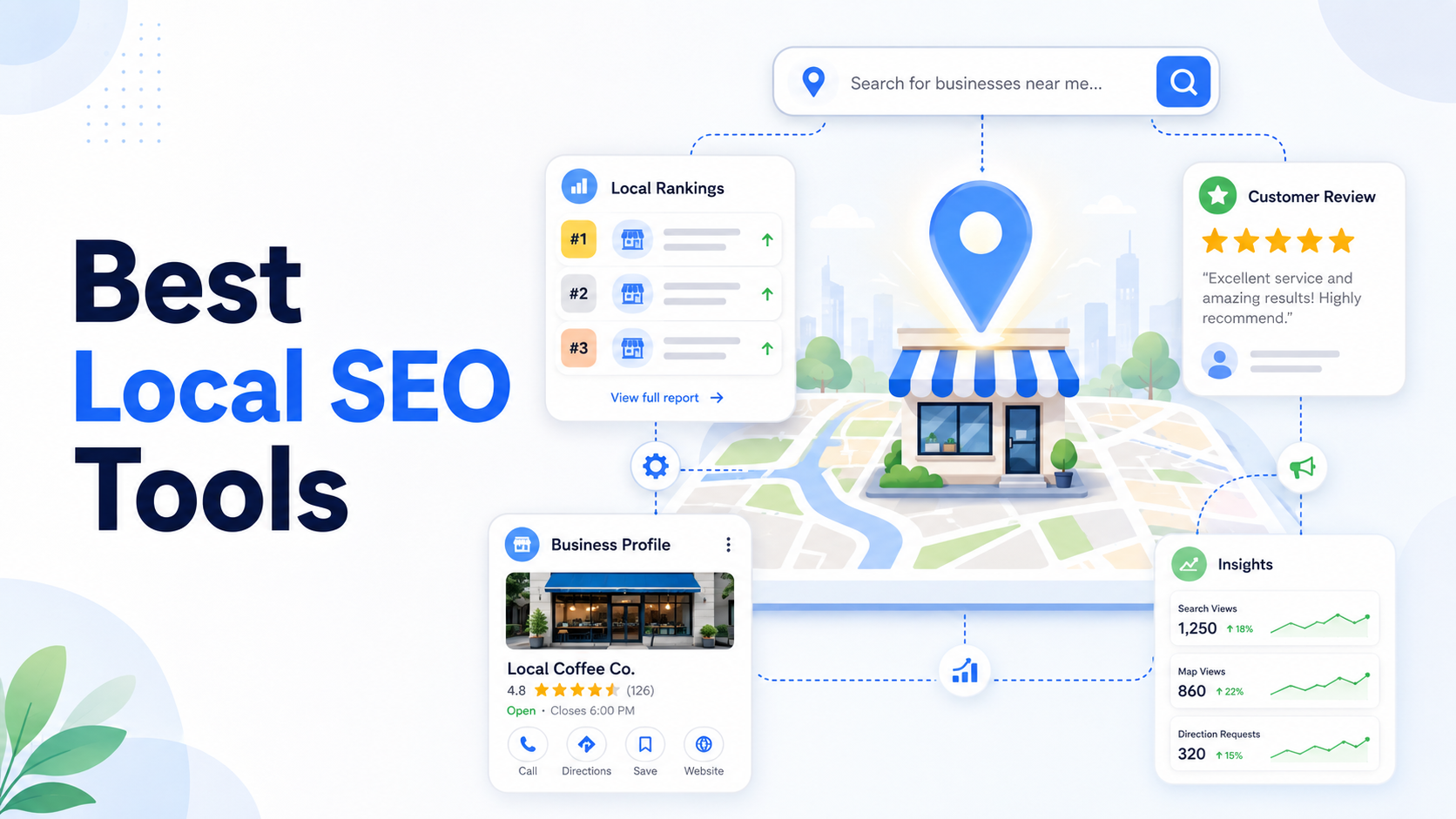
Here’s where most auto repair shops quietly lose money. A new customer in your market types “mechanic near me” or “auto repair [your city]” into Google. The first thing they see — before any organic result — is the Google Maps Pack: three shops with their ratings, review counts, and hours. That’s where roughly 70% of new auto repair customers come from in 2026.
The shop with 240 Google reviews at 4.8 stars gets the call. The shop with 18 reviews at 3.9 stars does not. It almost doesn’t matter how good the actual repair work is — if your Google profile is thin, the customer never finds you in the first place.
The reason isn’t bad work. Most independent shops do honest, solid repairs. The reason is operational: nobody asks. The service writer hands the customer the keys at pickup, the customer says thanks, the shop gets paid, and that’s the end of the interaction. The verbal “hey, if you have a minute, we’d really appreciate a Google review” gets forgotten on a busy Friday afternoon.
Multiply that by 30–50 customers a week and you understand why the shop down the street has 240 reviews and yours has 18. They’re not getting more grateful customers. They’re asking every one of them.
Review management software fixes this by automating the ask. As soon as the work order is closed, the system sends a text or email via SMS — usually within an hour of the customer driving off — with a direct link to leave a Google or Facebook review. Customers who are happy and would have left a review if asked but never were now actually leave one. Most shops that systematize this end up with 15 to 40 new reviews in the first 60 days.
Full disclosure: this is our tool. TrueReview was built for local businesses that depend on Google and Facebook reviews — and auto repair shops are one of our largest customer segments. The platform sends review requests automatically after every closed ticket, routes happy customers to Google (and unhappy ones to a private feedback channel before they post publicly), and shows your live Google reviews on your website with the Google review widget.
For auto shops specifically: integrations with Shopmonkey, Tekmetric, AutoLeap, and most other shop management platforms via Zapier mean review requests fire automatically when a work order is marked closed. No manual triggering, no “did anyone text the customer” conversations. Pricing starts at $49/month with a 14-day free trial. Multi-location shops and dealer groups are supported out of the box.
What real shop owners say:
Each layer alone is useful. The three connected is what separates a shop that’s busy every Tuesday at 2pm from a shop that’s busy only on Friday afternoons.
A connected auto shop workflow looks like this:
That’s the entire game. Every closed ticket strengthens the next one. The shop that hits 250+ Google reviews in 18 months almost always built this loop deliberately. The shop stuck at 30 reviews after five years is asking each customer manually — or not at all — and watching cars drive past their door to the competitor who systematized.
Most shops get one of these three layers right. The estimating software runs. The scheduling tool works fine. The third layer — reviews — is the one that quietly costs shops new customers month after month. It’s also the cheapest layer to fix and the one that compounds fastest.
For most shops, the fix is straightforward: pick a review management tool that integrates with your existing shop management platform, set it to fire automatically when tickets close, and let the system do the asking. Within 60 days, your Google profile starts looking like the busy shop’s instead of the slow one’s. Within six months, the Maps Pack starts surfacing your shop on local searches. Within a year, the phone rings more on its own.
And once it’s set up, you don’t have to remember to ask anymore. The system handles it. You go back to fixing cars.

See how TrueReview works for auto repair shops — automatic review requests after every closed ticket, routed to Google and Facebook. Integrates with Shopmonkey, Tekmetric, AutoLeap, and 1,000+ other tools via Zapier. Embed your live Google reviews on your website with the review widget. Pricing starts at $49/month with a 14-day free trial.